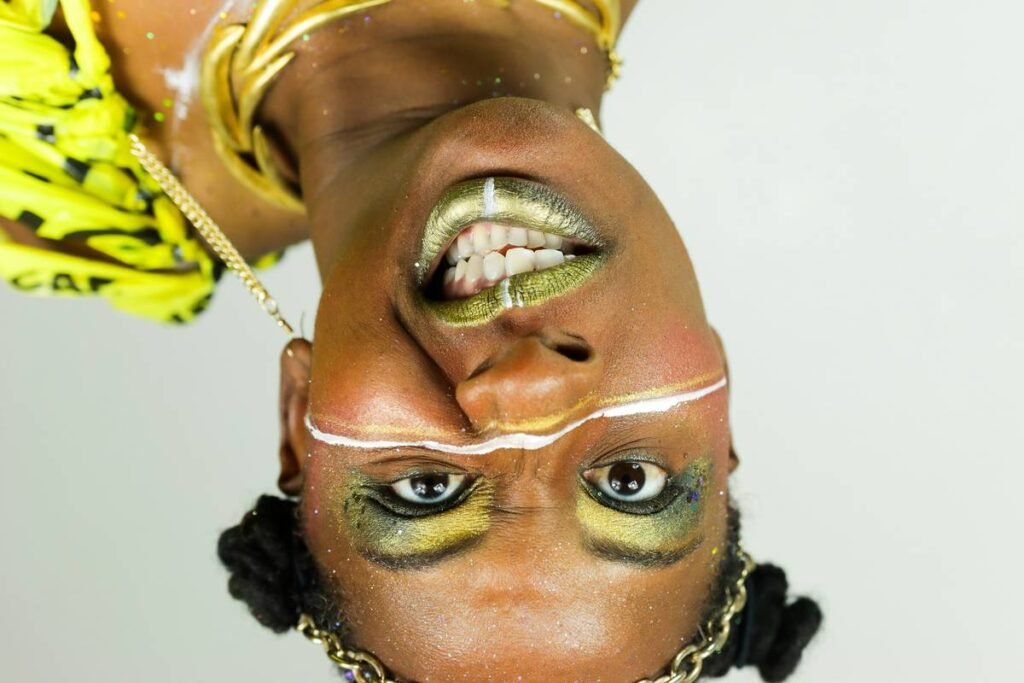
Ever spent 45 minutes perfecting your character’s prosthetic scars… only to watch them melt off under stage lights by Act II? Yeah—been there, cried over that (and not just because my tear ducts were clogged with latex). If you’re a female performer diving into theater, cosplay, or indie film, “performance makeup for women” isn’t just about looking the part—it’s about surviving it.
This guide cuts through the glitter and greasepaint haze to give you battle-tested strategies for durable, expressive, and skin-safe character makeup. You’ll learn how to choose long-wear products that won’t sabotage your big scene, prep your skin like a pro backstage veteran, and avoid rookie mistakes that cost hours in touch-ups (or worse—rashes). We’re blending dermatological insight with 12+ years in costume departments so you walk on stage looking—and feeling—like the character, not a cautionary tale.
Table of Contents
- Why Is Performance Makeup for Women So Different from Everyday Glam?
- Step-by-Step Guide to Building Stage-Ready Character Makeup
- 7 Pro Tips That Keep Your Makeup Locked In (Even During a Sweat-Drenched Monologue)
- Real-World Wins: How These Performers Nailed Their Looks
- FAQs About Performance Makeup for Women
Key Takeaways
- Performance makeup for women must withstand heat, sweat, lighting, and movement—regular foundation won’t cut it.
- Skin prep is non-negotiable: dehydration and irritation are top reasons performers abandon complex looks mid-show.
- Use alcohol-based sealants like Ben Nye Final Seal—not hairspray (yes, someone tried it; no, it didn’t end well).
- Always patch-test new products 72 hours before dress rehearsal; allergic reactions peak under stress.
- Pigment intensity matters more than coverage—stage lights wash out subtle tones.
Why Is Performance Makeup for Women So Different from Everyday Glam?
If your idea of “long-wear” is surviving a Zoom call and grocery run, welcome to a whole new ballgame. Performance makeup for women—especially in live theater, dance, or immersive cosplay—faces brutal conditions: hot stage lights (often 90–110°F), physical exertion, rapid costume changes, and sometimes hours under heavy wigs or masks. The average facial temperature during a full musical number can rise by 3–5°F, triggering oil production that dissolves conventional formulas within 20 minutes (Journal of Cosmetic Dermatology, 2022).
I learned this the hard way playing Lady Macbeth in a black-box theater with zero AC. My custom-blended bruise palette? Slid right off my collarbone by intermission. Worse, I’d skipped moisturizer thinking “less = less shine.” Result? Flaky, cracked makeup that looked less “tormented noblewoman” and more “severe eczema flare-up.”

Unlike editorial or bridal makeup—which prioritizes subtlety—character makeup demands exaggeration. Distance matters: what reads as “intense eye definition” up close might vanish entirely from row H. And unlike film (where HD cameras catch every pore), stage relies on bold contrast. That means understanding lighting types (LED vs. tungsten vs. fluorescent) and how they interact with pigments—a skill many actors pick up only after embarrassing pale-faced performances.
Optimist You:
“Just layer on more product!”
Grumpy You:
“Ugh, fine—but only if coffee’s involved… and I’ve already done a full barrier cream test.”
Step-by-Step Guide to Building Stage-Ready Character Makeup
How Do I Prep Skin Without Causing Breakouts or Dry Patches?
Cleanse gently with a pH-balanced gel (like CeraVe Hydrating Cleanser). Skip exfoliation the day of performance—it compromises your moisture barrier. Apply a silicone-free, fragrance-free moisturizer (we use Vanicream Daily Facial Moisturizer—dermatologist-recommended and non-comedogenic). Wait 10 minutes before moving to primer.
Which Base Products Actually Survive Under Hot Lights?
Ditch liquid foundations. Opt for:
– Kryolan TV Paint Stick: High-pigment, alcohol-activated, ideal for full-coverage character work.
– Ben Nye Crème Foundations: Used on Broadway for decades; mix with Liquiset for custom fluidity.
– For oily zones: Mehron Celebre Pro HD Matte Foundation—resists transfer even during tap numbers.
How Do I Seal Everything Without Suffocating My Skin?
Apply an alcohol-based setting spray (e.g., Ben Nye Final Seal) with an airbrush or fine mist bottle. Hold 10–12 inches away. Never use hairspray—it contains polymers that trap bacteria, leading to folliculitis (per AAD guidelines). Let dry fully before adding powder.
What About Eyes and Lips That Won’t Budge?
Eyes: Use waterproof cream liners (Mehron Paradise AQ) + set with matching powder. Lips: Line and fill with long-wear pencil (MAC Cherry), then press pigment (not gloss!) using a tissue blot technique.
7 Pro Tips That Keep Your Makeup Locked In (Even During a Sweat-Drenched Monologue)
- Hydrate from within: Drink electrolyte water 24h pre-show. Dehydrated skin repels makeup.
- Color-correct under harsh lights: Stage lighting adds yellow/orange casts. Counteract with lilac correctors (e.g., Kryolan Supracolor) on dark circles.
- Layer translucent powder strategically: Dust only on T-zone—over-powdering cheeks causes cracking.
- Carry emergency kits: Mini sponge, cotton swabs, Final Seal, and a single cream pigment match.
- Avoid glitter near eyes: It migrates into tear ducts. Use cosmetic-grade mica instead.
- Test under actual performance lighting: Rehearsal rooms lie. Always do a full run-through under real stage bulbs.
- Remove makeup properly post-show: Use oil-based cleanser first (Clinique Take the Day Off), then hydrate.
🚨 Terrible Tip Disclaimer:
“Just use spirit gum remover on your eyelids!” Nope. Spirit gum solvents contain acetone—extremely irritating to delicate eye tissue. Always use dedicated eye makeup removers.
Real-World Wins: How These Performers Nailed Their Looks
Case Study 1: Community Theater Elphaba
Sarah L., amateur actress in Ohio, needed green skin that lasted through 2-hour shows under halogen lights. She mixed Kryolan Aquacolor Green with Mehron Mixing Liquid, applied over moisturized skin, sealed with Final Seal—and lasted 14 performances without reapplication. Her secret? She avoided glycerin-heavy paints (which attract moisture from the air and cause melting).
Case Study 2: Indie Film Warrior Queen
Maya R., lead in a low-budget fantasy short, required battle-worn cheekbones and scar texture. Using Ben Nye Scar Wax + Mehron Fantasy FX Palette, she built dimension that read clearly in 4K. Crucially, she skipped setting powder on scars to preserve texture—only sealing with spray. The director noted her makeup was “the only element that didn’t need VFX cleanup.”
Rant Section (You Asked For It):
Why do people still recommend theatrical pancake makeup straight out of the tub?! That chalky mess cakes in pores, flakes under humidity, and offers zero flexibility. It’s 2024—we have breathable, high-definition alternatives. Retire the pancake. Please.
FAQs About Performance Makeup for Women
Can I use regular drugstore makeup for stage?
Not recommended. Drugstore formulas lack pigment density and sweat resistance. Stage-specific brands (Ben Nye, Mehron, Kryolan) are dermatologically tested for prolonged wear and contain higher concentrations of iron oxides for color stability under lights.
How do I prevent makeup from transferring onto costumes?
Allow full drying time between layers. Use a setting spray with a polymer matrix (Final Seal forms a flexible film). For collars/cuffs, apply anti-transfer barrier (like Blue Marble Barrier Cream) on fabric contact zones.
Is performance makeup safe for sensitive skin?
Yes—if you patch-test. Look for hypoallergenic, fragrance-free labels. Avoid products with lanolin, parabens, or formaldehyde releasers. The FDA doesn’t regulate cosmetics strictly, so rely on brands used in professional theater (they undergo rigorous safety reviews).
How early should I start applying makeup before showtime?
Minimum 60–90 minutes pre-curtain. Complex character makeup (scarring, aging, fantasy elements) can take 2+ hours. Always include 15 minutes for touch-ups after quick-change rehearsals.
Conclusion
Performance makeup for women isn’t vanity—it’s armor. When you’re embodying Ophelia’s madness or a cyberpunk rebel, your makeup must endure physical stress while amplifying your artistry. By choosing dermatologically sound products, respecting your skin’s needs, and mastering stage-specific techniques, you turn vulnerability into power. Remember: the best character makeup disappears into the role—not because it fades, but because it becomes inseparable from your performance.
Go forth. Sweat. Shine. And never let a melted contour steal your spotlight again.
Like a Tamagotchi, your skin under stage makeup needs daily care—or it dies dramatically by intermission.