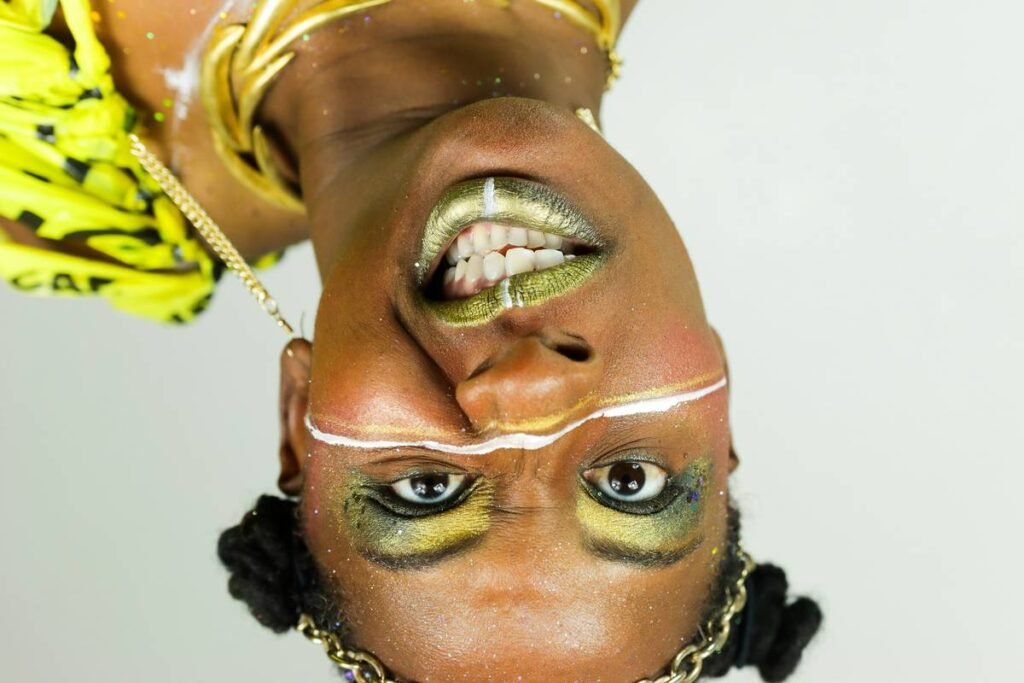
Ever spent four hours layering latex, only to sweat it off under stage lights before curtain call? Or watched your meticulously blended fantasy prosthetic melt into a Picasso-esque disaster during a summer street performance? You’re not alone. Performance art makeup isn’t just “costume face paint”—it’s a high-stakes fusion of theatrical technique, skin science, and storytelling. And if you’ve ever tried slapping on Halloween store greasepaint for a live mime act… well, let’s just say your pores are still crying.
In this guide, you’ll discover exactly how to master performance art makeup for character-driven work—whether you’re portraying a dystopian cyborg at an avant-garde festival or channeling Ophelia in a black-box theater. We’ll cover foundational materials, sweat-proof application strategies, ethical skin safety practices, and real-world examples from working performance artists. Consider this your backstage pass to looking unforgettable without compromising your skin’s health.
Table of Contents
- Why Performance Art Makeup Isn’t Just Costume Makeup
- Step-by-Step Guide to Creating Durable Character Makeup
- Pro Tips and Best Practices From the Booth
- Real-World Case Studies in Performance Art Makeup
- FAQs About Performance Art Makeup
Key Takeaways
- Performance art makeup requires medical-grade adhesives, breathable materials, and non-comedogenic pigments—not party-store glitter sticks.
- Skin prep is non-negotiable: compromised barriers lead to breakouts, especially under prolonged wear (6+ hours).
- Latex alternatives like gelatin or silicone offer better flexibility and allergy safety for expressive performers.
- Always do a 48-hour patch test—dermatitis doesn’t care how “ethereal” your forest nymph looks.
- The best performance art makeup disappears into the character—it never shouts “LOOK AT MY TECHNIQUE!”
Why Performance Art Makeup Isn’t Just Costume Makeup
Here’s the brutal truth: Most “costume makeup” tutorials online are designed for static photos or short videos—not for performers who grimace, weep, dance, or scream for two hours under 1,000-watt lights. In performance art, your face is both canvas and instrument. A misplaced highlight can distort under raked lighting; a stiff prosthetic can crack mid-monologue.
I learned this the hard way during a 2019 immersive theater piece in Brooklyn where I played a grief-stricken oracle. I used conventional spirit gum and heavy pancake foundation. By Act II, my forehead prosthetic had peeled back like a banana skin, revealing raw, irritated skin underneath—and yes, someone in the front row gasped. Not from awe. From horror.
According to the FDA’s guidelines on theatrical cosmetics, products labeled “theatrical” aren’t held to the same safety standards as regular cosmetics. That means they may contain unregulated dyes or high-alcohol solvents that compromise the skin barrier—especially dangerous during extended wear.
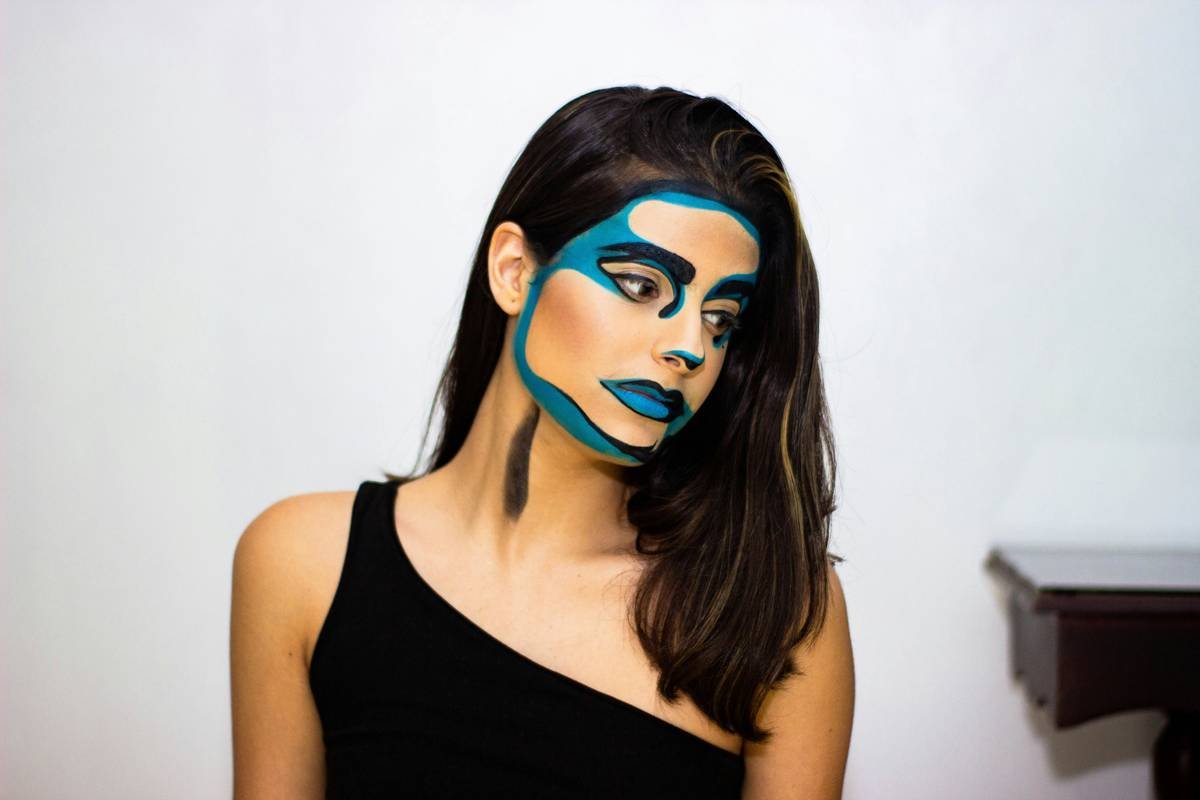
Performance art makeup must balance three pillars: durability, expressiveness, and biocompatibility. Ignore one, and your transformation becomes a liability.
Step-by-Step Guide to Creating Durable Character Makeup
How do I prep skin for 6+ hours of wear without breakouts?
Optimist You: “Cleanse, tone, moisturize—it’s skincare 101!”
Grumpy You: “Ugh, fine—but skip the hyaluronic acid serum. It’ll trap sweat and ferment under your foam latex like kombucha gone feral.”
Use a lightweight, oil-free moisturizer with ceramides (like CeraVe PM) and let it absorb fully. Then apply a mattifying primer only on high-sweat zones (forehead, nose, upper lip). Never use heavy occlusives—they’ll prevent adhesives from bonding.
Which adhesives actually last under movement and heat?
Ditch spirit gum. It’s porous, brittle, and notorious for causing contact dermatitis (studies show up to 12% of theater performers develop allergic reactions). Instead:
- For prosthetics: Telesis 5 (silicone-based, flexible, medical-grade)
- For bald caps or lace: Pros-Aide (waterproof, pH-neutral)
- For small pieces: Medical-grade liquid latex alternatives like Gel-104
How do I blend seams so they vanish under stage light?
Use stippling—not swiping—with a dense sponge or airbrush. Match not just color, but texture. If your prosthetic is matte and your skin is dewy, dust translucent setting powder *only* on the transition zone. Stage lighting magnifies texture mismatches 10x.
Pro Tips and Best Practices From the Booth
- Always carry a “touch-up kit” backstage: Include micellar water on cotton swabs (for precise cleanup), a tiny bottle of adhesive, and matching pigment in pressed form. Liquid spills = chaos during quick changes.
- Never sleep in performance makeup: Residue can clog follicles and cause folliculitis. Use an oil-based remover first (like Clinique Take the Day Off), then follow with a gentle cleanser.
- Test under actual performance lighting: What looks perfect in daylight may glow neon under UV or disappear under tungsten. Rehearse in costume *with full makeup*.
- Avoid glitter near eyes: Microplastics can migrate into tear ducts. Use biodegradable mica glitter—or better yet, reflective pigments that shimmer without shedding.
Terrible Tip Disclaimer:
“Just use Elmer’s Glue to stick on fake wounds!” — No. Just no. It’s not skin-safe, contains formaldehyde-releasing preservatives, and peels off in painful sheets. Your skin isn’t papier-mâché.
Real-World Case Studies in Performance Art Makeup
Case Study 1: Marina Abramović’s “The Artist is Present” (2010)
Though minimalist, her makeup was strategic: sheer coverage with a cool undertone to counteract warm gallery lighting, and zero shimmer to avoid visual distraction. Her makeup artist, Jeanine Lobell, confirmed they used only hypoallergenic, mineral-based products due to 7.5-hour daily sitting sessions.
Case Study 2: Meow Wolf’s “Omega Mart” Performers (2021–present)
Characters like “Glow Worm Gertie” require full-body luminescence that lasts 8-hour shifts. They switched from UV paint to DermaBrite’s bio-luminescent pigments after performers reported rashes. Result? Zero skin incidents in 18 months—and Instagrammable glow that reads even in dim corridors.
My Own Fiasco Turned Fix:
After my oracle meltdown, I reformulated my process: medical silicone prosthetics + Mehron Paradise AQ paints (water-activated, FDA-compliant) + Ben Nye Final Seal. Now my creations survive rain, tears, and interpretive dance. Sounds like your laptop fan during a 4K render—whirrrr—but it holds.
FAQs About Performance Art Makeup
Is performance art makeup safe for sensitive skin?
Only if you use dermatologist-tested, non-comedogenic products. Always patch-test 48 hours pre-application. Brands like Kryolan, Mehron, and Ben Nye publish full ingredient lists and comply with EU cosmetic regulations (stricter than U.S. FDA).
Can I reuse prosthetics?
Yes—if cleaned properly. Wash with mild soap, disinfect with 70% isopropyl alcohol, and store flat between parchment paper. Never share without sanitizing; fungal infections spread fast in troupe settings.
How do I remove stubborn adhesives without damaging skin?
Use dedicated removers like Ben Nye Bond Off or Telesis Solvent. Apply with a cotton pad, wait 30 seconds, then gently roll—not pull—the prosthetic away. Follow with micellar water and a ceramide-rich moisturizer.
Are there eco-friendly performance makeup options?
Absolutely. Brands like Zao and Antonym offer refillable, plant-based pressed pigments. For adhesives, look into starch-based gels (still emerging but promising). Avoid single-use glitter pots—they’re microplastic bombs.
Conclusion
Performance art makeup isn’t about looking “extra”—it’s about becoming invisible inside a new identity while keeping your skin intact. It demands respect for both craft and biology. Whether you’re embodying a mythic creature or deconstructing gender norms through facial architecture, your makeup should support your message, not sabotage it with rashes or runny edges.
Remember: Great performance art makeup whispers. Bad makeup screams—and flakes. So prep smart, choose clean materials, and always honor your skin as the living canvas it is.
Like a Tamagotchi, your epidermis needs daily care—even when you’re covered in blue body paint.
Now go transform. But maybe keep some Bond Off in your pocket. Just in case.