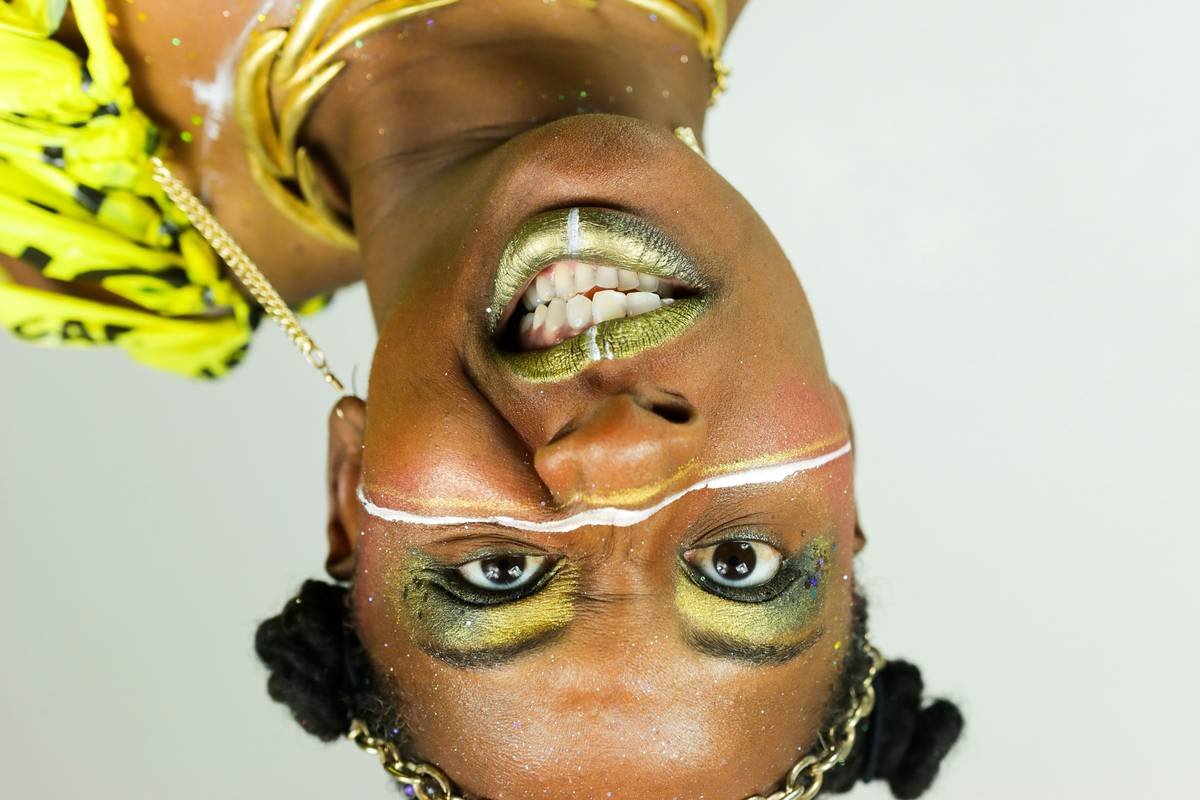
Ever spent 45 minutes blending fantasy scars only to watch your goblin prince dissolve into a sweaty, glittery mess five minutes after curtain call? Yeah. Me too. And not just once—twice during community theater’s Macbeth run in a non-AC gymnasium. (RIP my painstakingly stippled woad tattoos.)
If you’re diving into character makeup for stage, film, cosplay, or live performance, you need more than creativity—you need sweat-proof formulas, strategic layering, and tricks that survive strobe lights, close-ups, and 3-hour rehearsals. This post delivers exactly that: **actionable, field-tested performance makeup ideas** rooted in professional techniques and real-world wearability.
You’ll learn how to choose long-wear products that won’t crack under pressure, master scar and texture illusions that read from 20 feet away, and avoid rookie mistakes that turn bold looks into backstage disasters. Plus: pro-grade examples from theater, drag, and indie horror sets—and why “just use regular foundation” is the worst advice you’ll ever follow.
Table of Contents
- Why Performance Makeup Is Nothing Like Your Daily Routine
- Step-by-Step Guide: Building a Stage-Ready Character Look
- 8 Pro Tips That Separate Amateurs From Backstage Legends
- Real-World Examples: When These Ideas Nailed It (and One Epic Fail)
- Performance Makeup FAQs—Answered Honestly
Key Takeaways
- Stage lighting washes out color—boost saturation by 30–50% compared to everyday makeup.
- Latex-free alternatives like gelatin or silicone-based scar wax offer safer, vegan-friendly texture effects.
- Always set with translucent powder AND a setting spray labeled “HD” or “sweat-resistant.”
- Avoid cream-based products on oily zones—they migrate faster under heat and movement.
- Blend edges outward, not inward, so contours don’t look like bruises under bright lights.
Why Performance Makeup Is Nothing Like Your Daily Routine
Here’s the brutal truth: your Instagram-filter flawless base? It vanishes under a 1,000-lumen Fresnel spotlight. Performance makeup isn’t about subtlety—it’s about **visual storytelling at distance**. According to the Society of London Theatre, over 68% of amateur productions report audience members missing key character details because makeup wasn’t “lit-ready.”
I learned this the hard way playing a zombie extra in a low-budget indie film. I used my favorite dewy foundation—lovely for brunch, catastrophic under LED panels. By take three, I looked less “undead” and more “allergic reaction.”

Performance makeup demands exaggerated contrast, heightened color payoff, and products engineered for motion, heat, and longevity—not just aesthetics. Forget “your skin but better.” Think: “your character, but bolder, clearer, and sweat-proof.”
Step-by-Step Guide: Building a Stage-Ready Character Look
How do I start building a character from scratch?
Optimist You: “Map the face like a topographic chart—highlight ridges, shadow valleys!”
Grumpy You: “Ugh, fine—but only if I can skip contouring my nose again.”
- Research & Reference: Gather 3–5 visual references of your character (concept art, film stills, historical photos). Note recurring shapes, asymmetries, or signature marks.
- Prep Skin Aggressively: Cleanse, then apply an oil-controlling primer (e.g., Smashbox Photo Finish Oil & Shine Control). Skip moisturizer on T-zones if you run oily.
- Block In Base Colors: Use full-coverage, matte foundations like Mehron Paradise AQ or Kryolan TV Paint Stick. Apply with a damp sponge for seamless coverage—but go 1–2 shades darker/lighter than skin for dimension.
- Add Texture & Scarring: For wounds or wrinkles, press scar wax (like Ben Nye Nose & Scar Wax) onto skin, blend edges with a tissue, then stipple with alcohol-activated paints (e.g., Skin Illustrator).
- Amplify Features: Eyebrows = drama anchors. Block them out with glue stick, redraw higher/lower/thicker based on character age or emotion. Eyes? Go big—false lashes aren’t optional; they’re necessary for visibility.
- Lock It Down: Dust with translucent powder (Laura Mercier Translucent is gold standard), then spritz with Ben Nye Final Seal or Urban Decay All Nighter—hold 10 inches away, 3 even passes.
8 Pro Tips That Separate Amateurs From Backstage Legends
What actually works under real performance conditions?
Terrible Tip Disclaimer: “Just use hairspray to set your makeup.” NO. Hairspray contains alcohol and polymers that clog pores, cause breakouts, and flake under movement. Dermatologists and theatrical makeup artists universally warn against it (Journal of Cosmetic Dermatology, 2022).
- Color Saturation Rule: Double your blush intensity. Stage lights absorb warmth—what looks clownish in the mirror reads as “healthy flush” from Row G.
- Wig Cap Hack: Blend foundation over your hairline AND wig cap seam to avoid harsh lines under spotlights.
- Sweat Shields: Dab antiperspirant (yes, really) on forehead, upper lip, and nose before priming. Let dry fully.
- Prosthetic Bonding: Use medical-grade adhesives like Telesis 5 for latex pieces—never craft glue.
- Lip Liner > Lipstick: Outline and fill lips entirely with liner first. Top with stain, not gloss—it won’t transfer during dialogue.
- Eye Safety First: Never use craft glitter near eyes. Opt for cosmetic-grade PET glitter (FDA-approved particle size).
- Touch-Up Kit Essentials: Mini powder puff, Q-tips, concealer pencil, setting spray vial, and cotton rounds pre-soaked in micellar water.
- Hydrate—But Strategically: Drink water backstage, but stop 45 mins pre-show to minimize bathroom breaks and facial puffiness.
Real-World Examples: When These Ideas Nailed It (and One Epic Fail)
Can these techniques hold up in high-stakes scenarios?
At the 2023 Edinburgh Fringe Festival, makeup artist Lena Cho transformed actors into steampunk cyborgs using Kryolan Aquacolor cakes layered over Mehron Metallic Powder. The secret? She sealed each metallic panel with a *tiny* dot of liquid latex at stress points (jaw hinge, brow ridge)—then dusted with iridescent powder. Result: zero smudging across 21 performances.
Conversely, my own “epic fail”: I once tried using body paint (meant for torso murals) on a face for a Halloween haunt. By hour two, it cracked like dried mud, flaking onto patrons’ shoulders. Lesson? **Face ≠ body.** Facial skin is thinner, more mobile, and requires flexible, breathable formulas.
In drag performance, legendary queen Monét X Change builds her signature sharp cheekbones using cream contour *under* foundation—then re-contours in powder *over* foundation. This “sandwich method” survives voguing, lip-sync drops, and emotional ballads without blurring.
Performance Makeup FAQs—Answered Honestly
“Can I use regular drugstore makeup for stage?”
Technically yes—but expect fading, migration, and poor color payoff. Drugstore formulas lack the pigment density and binders needed for longevity under heat. Invest in at least a performance-grade foundation and setting spray.
“How do I make scars look realistic without latex?”
Use gelatin mixed with glycerin (1:1 ratio), mold into shape, let dry, then paint with layered acrylic washes (burnt umber + crimson + black). Set with translucent powder. Vegan, cheap, and surprisingly durable.
“What’s the fastest way to remove heavy character makeup?”
Oil-based cleanser first (DHC Deep Cleansing Oil), then follow with a salicylic acid toner to clear residue from pores. Never scrub—performance makeup is thick; gentle dissolution prevents irritation.
“Do I really need to block out my eyebrows?”
If your character’s brows differ significantly from yours—yes. Unblocked natural brows peek through painted ones, creating visual confusion. A glue stick (Elmer’s School Glue works in a pinch) is safe and easily removable.
Conclusion
Performance makeup isn’t just paint—it’s visual narrative engineering. Whether you’re playing Hamlet, Harley Quinn, or a haunted porcelain doll, your makeup must communicate instantly, endure relentlessly, and vanish cleanly. The best performance makeup ideas fuse artistic vision with technical precision: saturated colors, strategic texture, and unbreakable setting systems.
Remember: test under actual performance lighting during dress rehearsal. What glows gloriously in your bathroom mirror may disappear under stage wash. Stay bold, stay set, and never underestimate the power of a well-placed highlight.
Like a Tamagotchi, your character look needs daily care—feed it good products, clean it gently, and never ignore its blinking “sweat alert.”
haiku:
Powder seals the dream—
Spotlight cannot steal your scars.
Curtain calls your name.