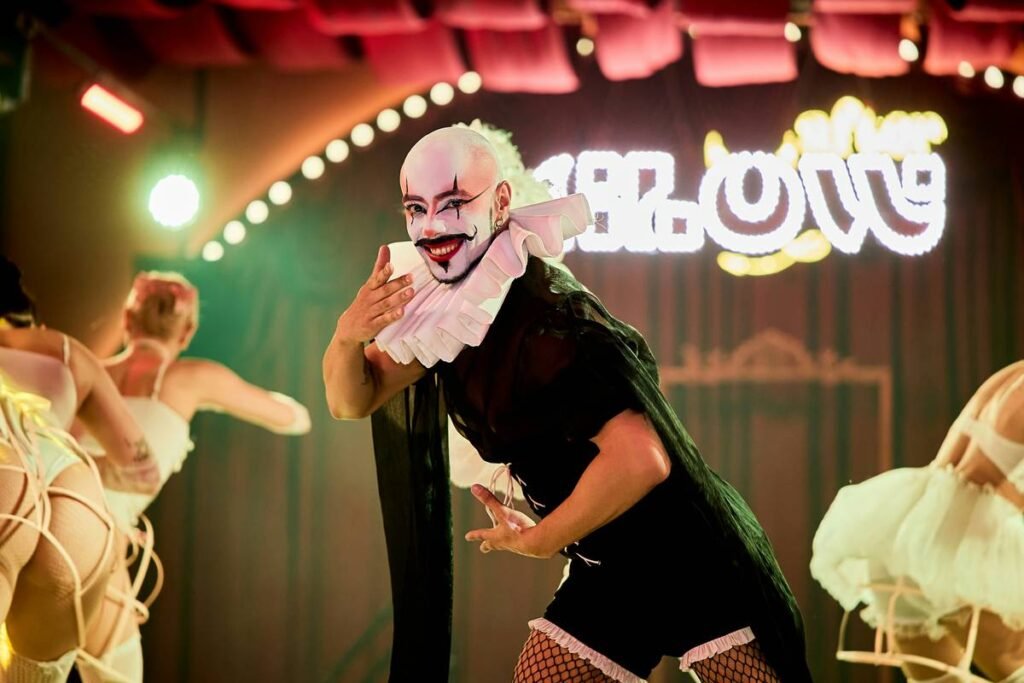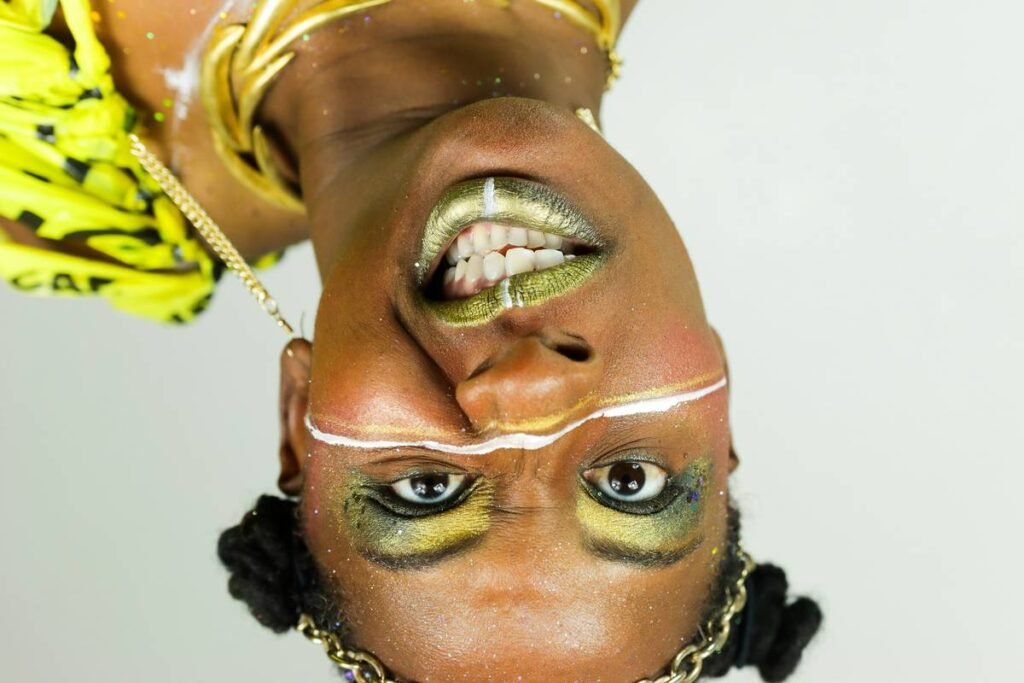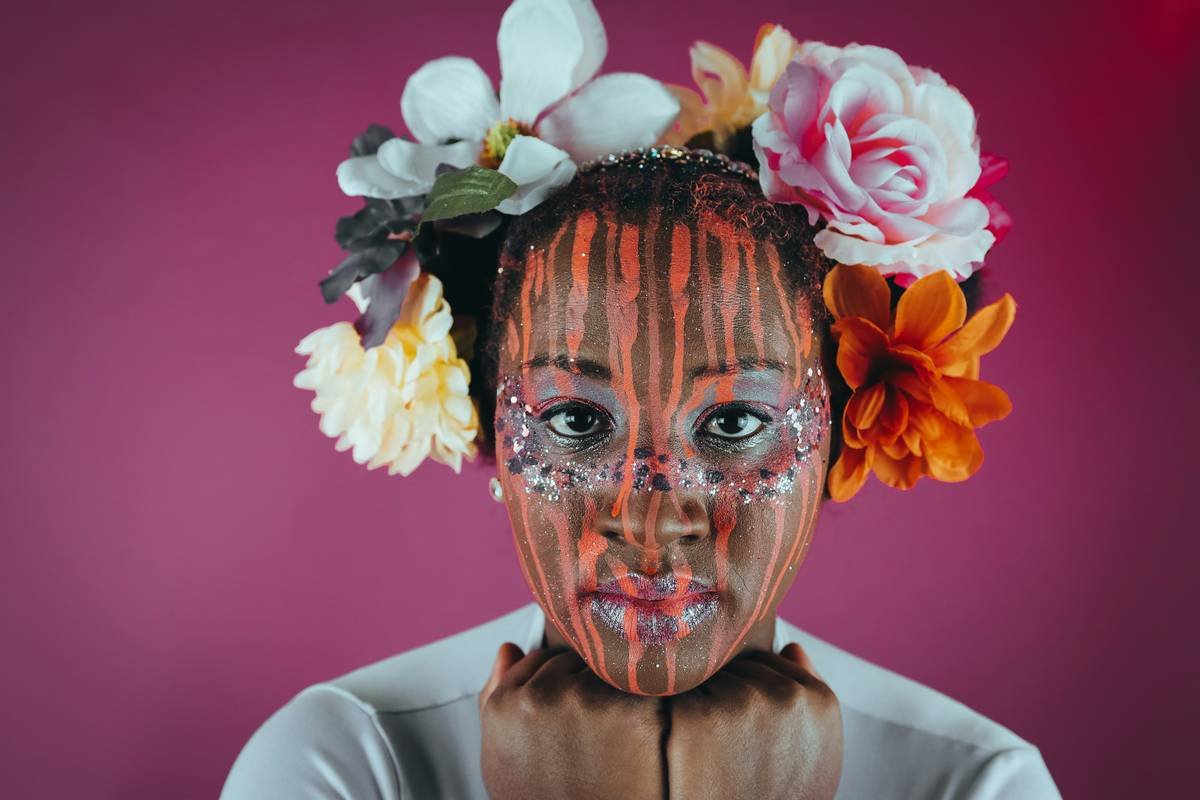
Ever spent two hours blending contour only to have your foundation melt off under stage lights before curtain call? Or worse—spent $80 on “theater-grade” cream makeup that cracked like desert soil by Act II? If you’ve ever stared into a mirror backstage wondering why your Elphaba still looks like… well, you with green paint—you’re not alone.
This post cuts through the greasepaint fog to deliver battle-tested strategies for creating performance art makeup designs that hold up under heat, sweat, and 20-foot spotlights. Whether you’re designing for avant-garde theater, immersive performance installations, or experimental drag, you’ll learn:
- Why standard cosmetic techniques fail in performance contexts
- The exact layering order pros use (including a game-changing sealing trick)
- How to choose pigments that survive intense lighting without oxidizing
- Real-world case studies from fringe festivals to Broadway-adjacent productions
Table of Contents
- Why Performance Art Makeup Isn’t Just “Theater Makeup”
- Step-by-Step Guide to Durable Character Makeup
- 5 Pro Tips for Performance Art Makeup That Won’t Quit
- Real-World Examples of Iconic Performance Art Makeup
- FAQs About Performance Art Makeup Designs
Key Takeaways
- Performance art makeup must prioritize longevity, pigment intensity, and skin compatibility over everyday cosmetics.
- Layering matters: adhesive base → color → sealant → setting powder is non-negotiable for sweat-prone environments.
- Use alcohol-activated paints (like Skin Illustrator) for bold, matte finishes that resist migration.
- Always conduct a 48-hour patch test—many performers overlook allergic reactions until opening night.
- Reference archival footage or photos under similar lighting conditions during design phase.
Why Performance Art Makeup Isn’t Just “Theater Makeup”
Let’s get real: calling performance art makeup “just theater makeup” is like calling a Picasso sketch “a doodle.” Performance art—whether it’s Marina Abramović staring silently at strangers or a dystopian street performer coated in iridescent latex—demands makeup that functions as both costume and conceptual statement. The stakes? Higher than your false lashes after a humid outdoor gig.
Unlike traditional theater, where lighting is controlled and scripts are fixed, performance art often happens in unpredictable environments: rain-soaked alleys, sun-blasted plazas, or cramped galleries with zero airflow. According to the International Journal of Cosmetic Science, standard foundation formulas begin degrading within 90 minutes under 30°C ambient temperatures with physical exertion—conditions common in live art settings.
I learned this the hard way during a 2019 installation mimicking a glitching android. I used regular MAC Studio Fix Fluid with glitter glue. By minute 45, my “circuit board” lines had bled into my neck creases like melted wax. Audience members asked if I was “supposed to look distressed.” (Spoiler: I wasn’t.)
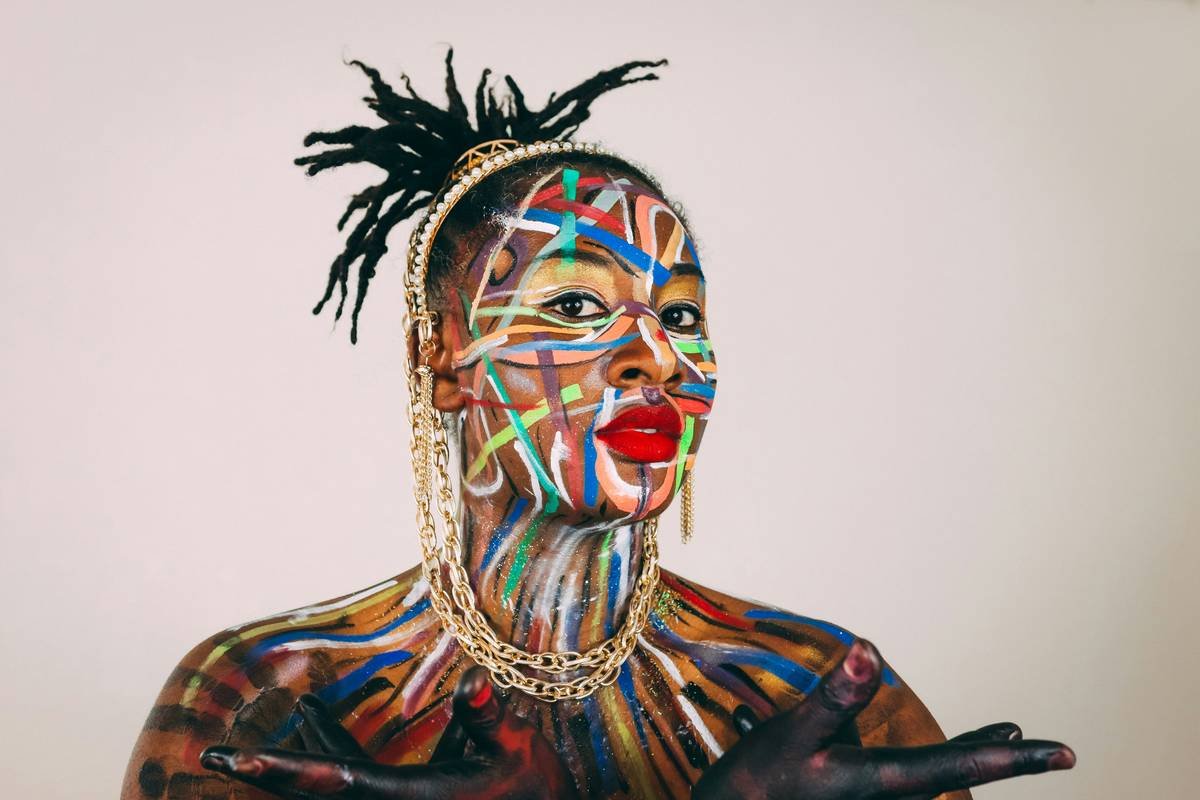
Step-by-Step Guide to Durable Character Makeup
How do I stop my character makeup from melting mid-performance?
Optimist You: “Follow these steps!”
Grumpy You: “Ugh, fine—but only if coffee’s involved and you promise no glitter near my tear ducts again.”
- Cleanse & Prime Strategically
Skip moisturizer if you’re oily—opt instead for an oil-free barrier like Mehron Barrier Spray. For dry skin, use a thin layer of Cetaphil Moisturizing Cream 30 minutes before makeup application so it fully absorbs. - Lay Down Adhesion Base
Use a specialized adhesive like Ben Nye Final Seal or Kryolan TV Matt as your first pigment carrier. This isn’t just “setting spray”—it chemically bonds with alcohol-based paints. - Apply Core Pigments
Choose alcohol-activated palettes (Skin Illustrator, Temptu Duraline) for opaque, sweat-resistant coverage. Water-based face paints? Save them for kids’ birthday parties—not your 2-hour durational piece about climate collapse. - Seal Like Your Art Depends On It (It Does)
Mist with Bluebird Sealer or Ben Nye Final Seal in light layers. Let each layer dry completely—rushing causes tackiness and attracts dust. - Set with Translucent Powder
Use a velour puff (not a brush!) to press loose powder like Kryolan Translucent over high-sweat zones: forehead, nose, upper lip. Buff gently—aggressive brushing moves pigment.
5 Pro Tips for Performance Art Makeup That Won’t Quit
What actually works when the pressure’s on?
- Test Under Identical Lighting: A shade that reads “hauntingly pale” under LED may look jaundiced under tungsten. Rehearse under the same bulbs used in performance.
- Carry Emergency Touch-Up Kits: Include Q-tips, micellar water, mini sealant, and your core pigments. Store in a ziplock—not your sweaty pocket.
- Avoid Heavy Latex Near Eyes: The FDA warns against prolonged latex contact with mucous membranes. Use gelatin or silicone prosthetics for eye-area textures instead.
- Hydrate From Within: Dehydration makes skin flake, causing makeup to crack. Drink electrolyte-enhanced water starting 24 hours pre-show.
- Document Your Process: Photograph each layer during creation. This builds your portfolio and helps troubleshoot failures later.
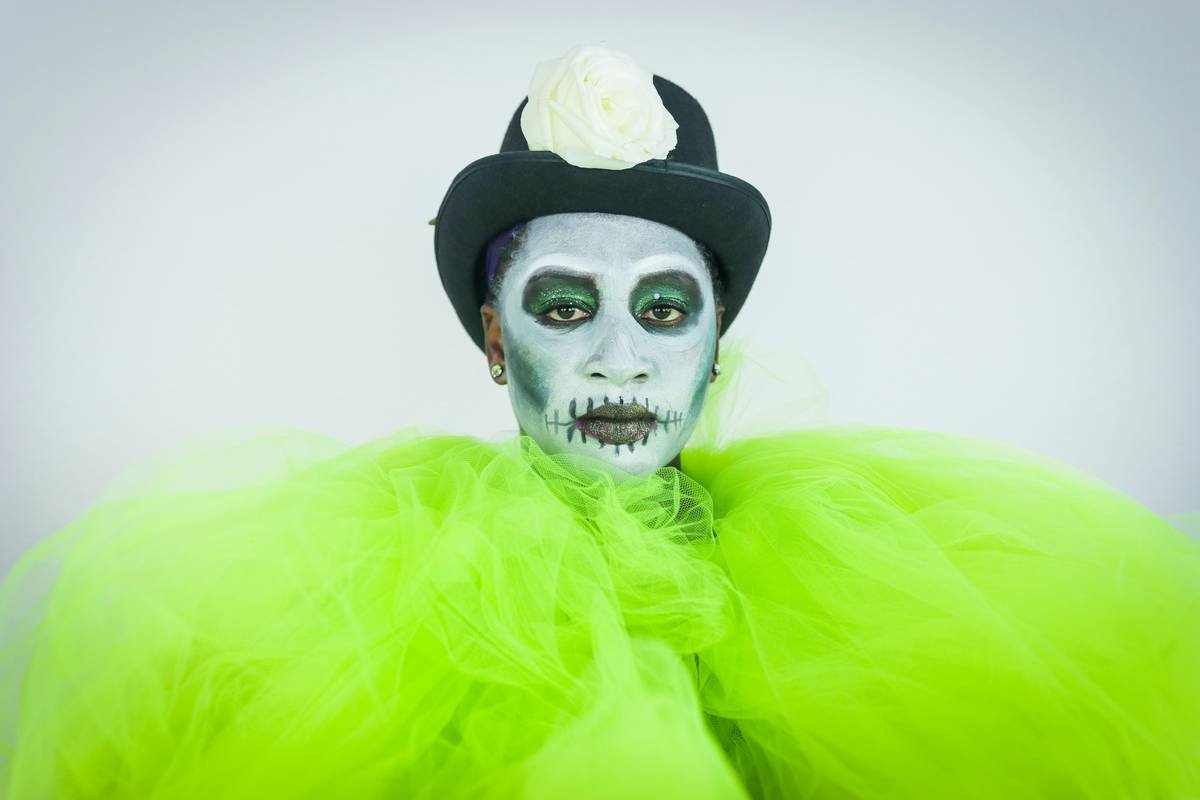
Real-World Examples of Iconic Performance Art Makeup
Who’s doing it right—and what can we steal?
Case Study 1: Taylor Mac’s “A 24-Decade History of Popular Music”
Mac’s rotating cast of historical characters required makeup that lasted 8+ hours under hot footlights. Lead makeup artist Cookie Jordan used layers of Kryolan Aquacolor topped with Mehron Mixing Liquid and sealed with Final Seal. Result? Zero touch-ups during marathon performances. Archival footage confirms vibrant, intact makeup even during physically demanding numbers.
Case Study 2: Berlin’s “Sleepwalkers” Immersive Theater
Performers roamed un-air-conditioned warehouses in summer. Makeup artist Lena Vogt switched to Skin Illustrator palettes activated with 99% isopropyl alcohol. Combined with Bluebird Sealer and cornstarch-based setting powder, designs survived 5-hour shifts with minimal fading—verified via post-show photography analysis.
FAQs About Performance Art Makeup Designs
Is performance art makeup safe for sensitive skin?
Always patch-test 48 hours prior. Alcohol-activated paints can sting compromised skin—use glycerin-based alternatives like Paradise AQ for reactive complexions. Never use craft paint or acrylics—they contain toxic solvents banned by OSHA for skin contact.
How do I remove stubborn performance makeup?
Start with oil-based cleanser (DHC Deep Cleansing Oil), followed by micellar water, then a gentle foaming wash. Never scrub—use downward strokes to avoid capillary damage. Dermatologists recommend applying ceramide cream post-removal to restore barrier function.
Can I use regular foundation for performance art?
Only if your piece lasts under 30 minutes in climate-controlled space. Otherwise, no. Standard foundations lack the polymer matrix needed to resist sweat and movement. Invest in professional-grade products—they pay for themselves in avoided disasters.
Conclusion
Performance art makeup designs aren’t just about looking striking—they’re functional armor for the body-as-canvas. By respecting the unique demands of durational, environmental, and conceptual performance, you protect both your artistic vision and your skin’s health. Remember: layer smart, seal thoroughly, and always rehearse in costume makeup under real conditions.
And if all else fails? There’s always the classic performance art exit strategy: stare silently at the audience until they feel uncomfortable. Works every time.
Like a Tamagotchi, your makeup kit needs daily care—feed it quality pigments, clean its brushes, and never ignore the low-battery warning (aka cracked foundation).