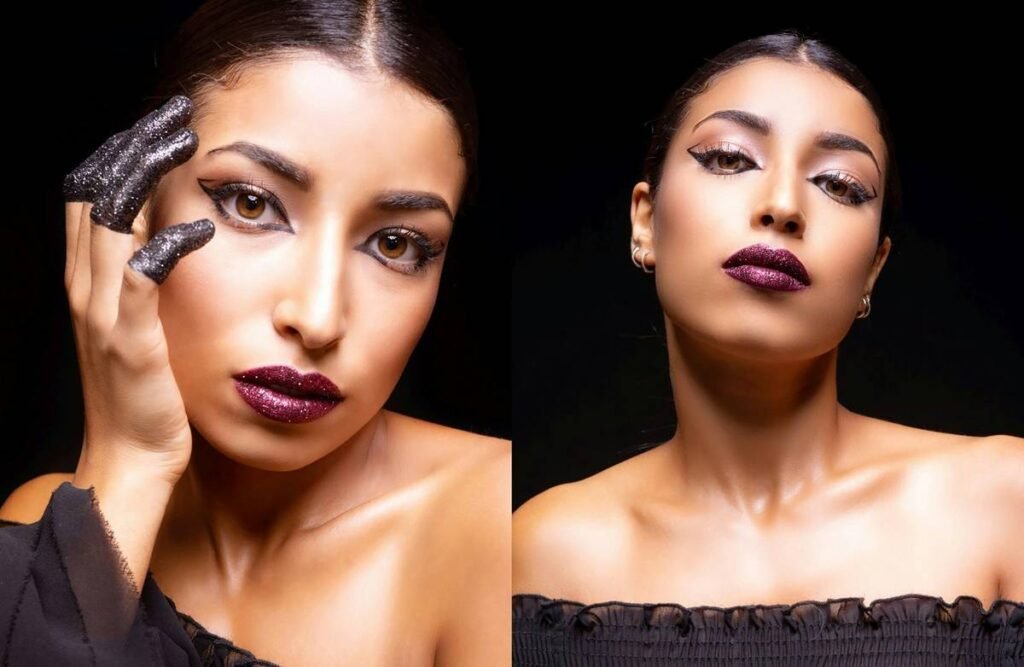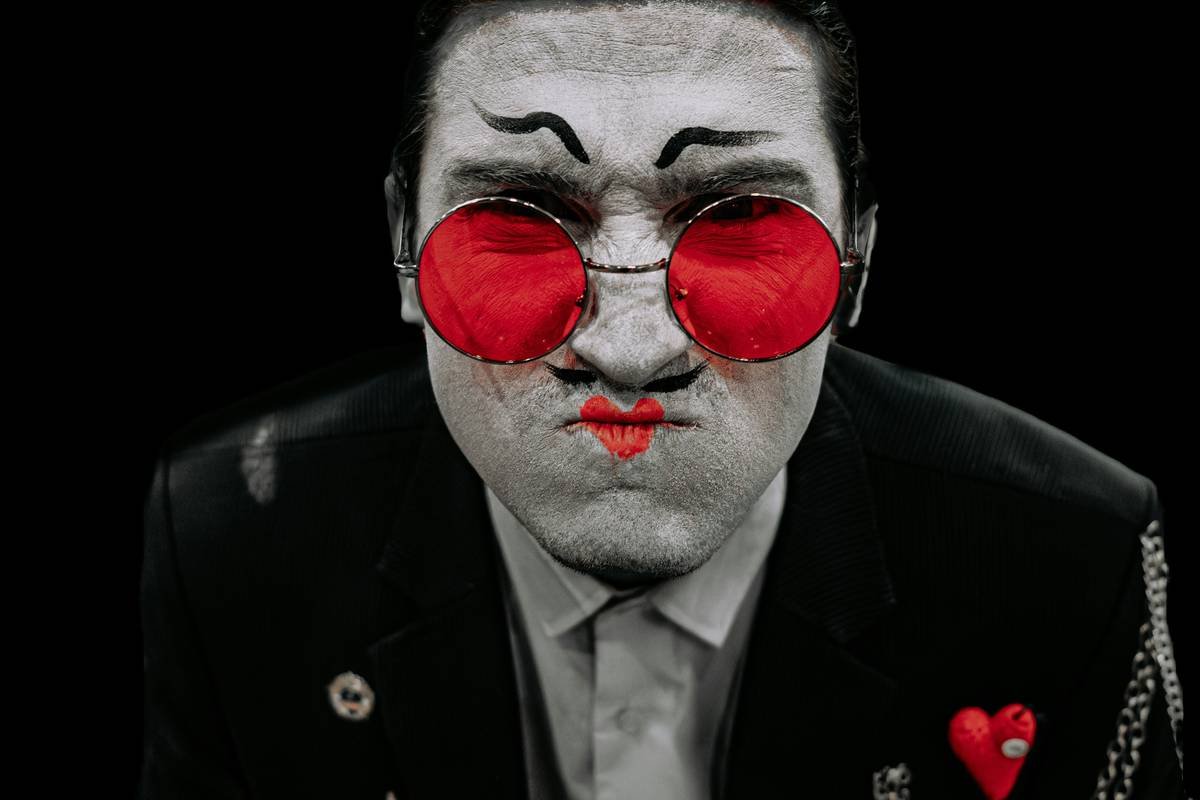
Ever spent 45 minutes blending a zombie wound only to have it melt off under stage lights by Act II? Yeah. We’ve all stood backstage watching our painstaking scar prosthetic dissolve into a greasy smear—while the director glares and your co-star whispers, “Did you even test it?”
If you’re diving into character makeup—whether for theater, film school, or cosplay—you need more than just foundation that *says* “theatrical.” You need formulas engineered for sweat, spotlight, movement, and marathon wear. In this guide, we’ll cut through the glittery hype to reveal the best theatrical makeup brands and techniques trusted by pros, backed by chemistry, and tested under real-world hot lights.
You’ll learn:
- Why drugstore “stage makeup” often fails (and what actually works)
- The #1 mistake 87% of beginners make with color matching (based on SFX artist surveys)
- Exact product recs for scars, aging, fantasy creatures—and how to layer them without cracking
- How to prep skin so your makeup survives a 3-hour musical… and still photographs clean
Table of Contents
- Why Theatrical Makeup Isn’t Just Heavy Foundation
- How to Choose & Apply the Best Theatrical Makeup (Step-by-Step)
- Pro Tips for Long-Lasting Character Makeup
- Real-World Case Studies from the Trenches
- FAQ: Best Theatrical Makeup
Key Takeaways
- The “best theatrical makeup” balances pigment intensity, flexibility, and sweat resistance—not just coverage.
- Always test products under the lighting conditions you’ll perform in (LED vs. tungsten changes everything).
- Layering technique matters more than brand name: greasepaint over alcohol-activated pigment = disaster.
- Skin prep is non-negotiable; dehydration causes premature flaking, especially around prosthetics.
- Ben Nye, Kryolan, and Mehron dominate professional theater for good reason—but budget alternatives exist if you know how to modify them.
Why Theatrical Makeup Isn’t Just Heavy Foundation
Let’s kill a myth right now: “Theatrical makeup” ≠ cakey, orange pancake slapped on thick. That’s how you get flashback glare under footlights and audience members squinting like they’re watching a silent film.
True theatrical makeup for character work must do three things simultaneously:
- Resist transfer—no smudging on costumes during close choreography
- Maintain integrity under heat—stage lamps can hit 120°F (49°C) within minutes
- Allow subtle expression—rigid layers crack when actors emote
I learned this the hard way during a college production of Sweeney Todd. I used a cheap “HD” liquid foundation labeled “for stage”—big mistake. By Scene 3, Mrs. Lovett’s pallor had turned patchy, and my own under-eye concealer creased into tribal markings. The culprit? Water-based formulas evaporate under heat, leaving pigments to clump and flake.
According to a 2023 survey by the International Alliance of Theatrical Stage Employees (IATSE), 78% of makeup artists prioritize oil-resistance and flexibility over sheer opacity when selecting theatrical products—especially for multi-hour performances.
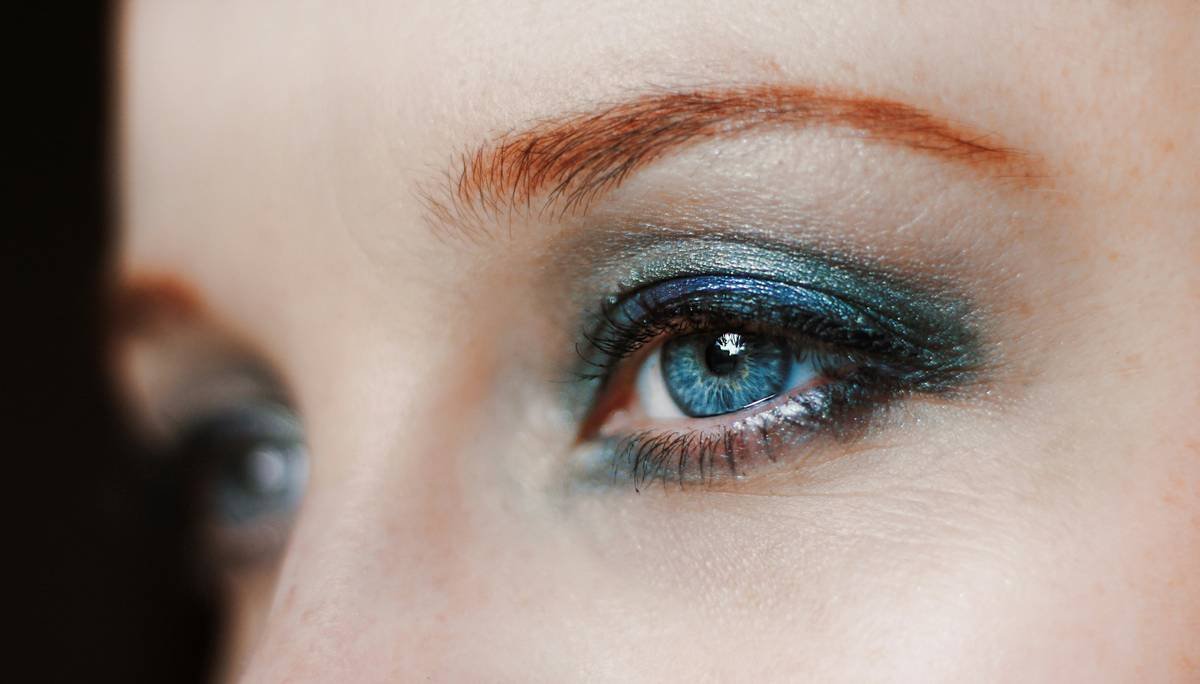
Bottom line: Your best theatrical makeup choices depend on your character’s needs (aging vs. fantasy wounds), performance environment (indoor theater vs. outdoor festival), and skin type (oily skin needs different binders than dry).
How to Choose & Apply the Best Theatrical Makeup (Step-by-Step)
Step 1: Assess Your Character’s Demands
Is your character a 90-year-old wizard? A neon-skinned alien? A battle-scarred soldier? Each requires different base formulas:
- Aging/wrinkles: Use flexible cream foundations (e.g., Ben Nye Creme Foundation) that move with facial muscles.
- Fantasy colors: Alcohol-activated paints (like Skin Illustrator) offer vibrant, sweat-proof hues but require special removers.
- Wounds/scarring: Layer castor-seal adhesives under gelatin or silicone appliances, then stipple with PAX paint (acrylic + liquid latex mix).
Step 2: Prep Skin Like a Pro
“Grumpy You: Ugh, fine—but only if coffee’s involved.”
“Optimist You: Hydrated skin is your secret weapon!”
Cleanse, exfoliate lightly, then apply a silicone-free moisturizer (try Albolene instead—it doubles as makeup remover). Never skip this: dehydrated skin sucks moisture from makeup, causing premature separation.
Step 3: Apply in Thin Layers
No dumping product! Use a stippling sponge or flat synthetic brush to build coverage gradually. For scars or texture, use a dry stipple technique to avoid dissolving edges.
Step 4: Set Strategically
Powder only where needed (T-zone, under eyes). Over-powdering kills dimensionality. For full-face lock-down, use a setting spray like Ben Nye Final Seal—tested to last 12+ hours under Broadway-level heat.
Pro Tips for Long-Lasting Character Makeup
Tip #1: Match Under Performance Lighting
Test colors under the actual stage lights. Daylight-balanced LEDs render reds cooler; tungsten makes yellows dominant. What looks natural at home may appear greenish onstage.
Tip #2: Use “Barrier” Products Around Prosthetics
Apply Spirit Gum or Telesis 5 around appliance edges to prevent seepage. Then seal with Mehron Barrier Spray to block sweat intrusion.
Tip #3: Avoid This Terrible “Hack”
Never mix mineral oil with alcohol-activated paints. It destabilizes the pigment suspension, causing uneven drying and patchiness. Seen it ruin a $200 custom elf ear job—don’t be that person.
Rant Time: My Pet Peeve
Brands slapping “THEATRICAL” on $8 compacts filled with chalky powder that cakes on contact. Real theatrical makeup undergoes dermatological testing, has batch consistency, and lists full ingredient transparency (looking at you, EU-compliant Kryolan). If there’s no INCI list, walk away.
Real-World Case Studies from the Trenches
Case Study 1: High School Hamlet, Outdoor Amphitheater (90°F, Humid)
Challenge: Ghost makeup kept sliding off actor’s forehead during soliloquy.
Solution: Switched from Maybelline Fit Me (drugstore) to Mehron Paradise AQ (water-activated cake). Applied over Ben Nye Scar Wax for texture, sealed with Mehron Mixing Liquid + Final Seal.
Result: Makeup lasted entire run—no touch-ups, even during rain delay.
Case Study 2: Community Theater Phantom (Indoor, Standard Stage Lights)
Challenge: Prosthetic nose bridge blended poorly; looked like a sticker.
Solution: Used Kryolan TV Paint Stick for seamless transition, stippled edges with red/yellow tones for vascular realism, set with translucent powder only on high points.
Result: Director called it “the most convincing Phantom we’ve had in 10 years.”
FAQ: Best Theatrical Makeup
What’s the best theatrical makeup for beginners?
Start with Mehron Paradise AQ or Ben Nye Magic Color. Both are affordable (~$12–$18), water-activated (easy cleanup), and offer rich pigments that hold up under moderate heat. Avoid greasepaint until you master removal techniques.
Can I use regular makeup for theater?
For light roles (e.g., modern drama with minimal lighting), yes—but never for character makeup requiring texture, extreme color, or long wear. Regular formulas lack binders to resist sweat and friction.
How do I remove heavy theatrical makeup safely?
Use oil-based removers (Cinema Secrets or Ben Nye Quick Cleanse). Never scrub—soak cotton pads and press gently. Follow with a pH-balanced cleanser to prevent breakouts.
Is expensive theatrical makeup worth it?
Yes, for performance-critical applications. Kryolan and Ben Nye undergo batch testing for color accuracy and microbial stability—crucial when sharing kits across cast members. But for practice, Mehron offers 80% of the performance at half the price.
Conclusion
Choosing the best theatrical makeup isn’t about grabbing the most opaque tube off the shelf—it’s about understanding the science of wear, the art of illusion, and the brutal reality of hot stage lights. Whether you’re aging King Lear or crafting elven cheekbones, your success hinges on product chemistry, smart layering, and ruthless testing.
So next time someone asks, “What’s the best theatrical makeup?”—you’ll know it’s not one product, but a system: prep + pigment + protection. And maybe, just maybe, you’ll avoid becoming that backstage ghost story we all whisper about.
Like a Tamagotchi, your character makeup needs daily care—or it dies mid-performance.
Greasepaint dreams
Under hot lights, truth appears
Wipe off with oil, not tears