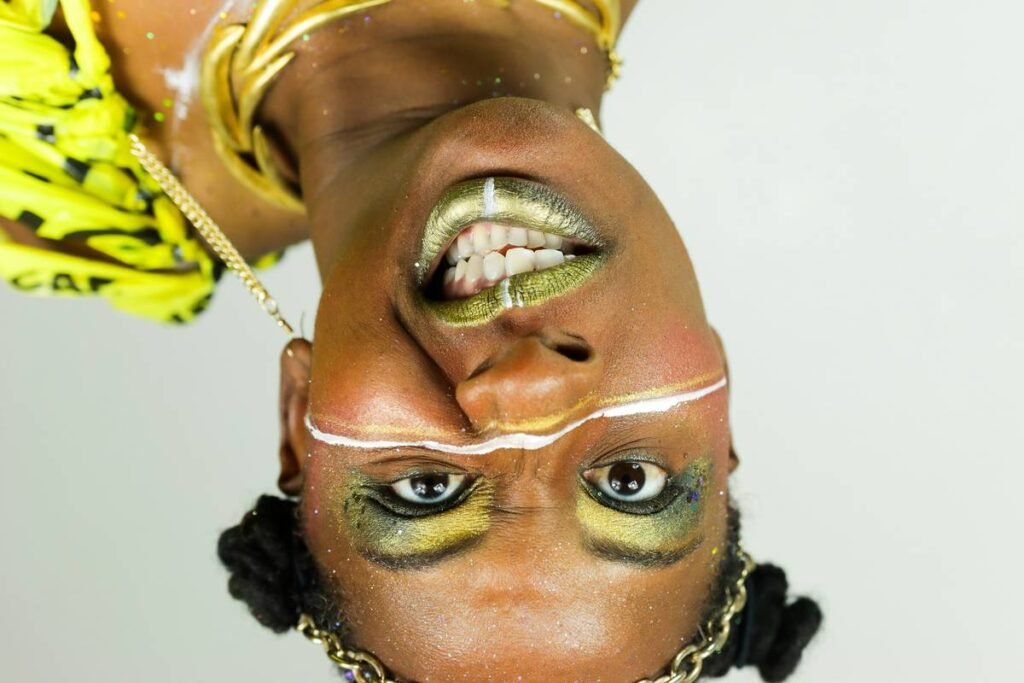
Ever spent two hours painting a flawless fantasy warrior’s face… only to watch it melt off during the first spotlight, leaving neon streaks down your neck like a regretful rainbow? Yeah. We’ve all been there—me included.
If you’re diving into character makeup for theater, circus arts, drag, immersive performance, or avant-garde installations, “performance art face paint” isn’t just about color—it’s about endurance, skin safety, and storytelling on skin. In this guide, you’ll learn how to choose non-toxic, sweat-resistant products; apply layers that survive heat and movement; and avoid rookie mistakes that could irritate skin or sabotage your stage presence.
We’ll cover: why not all “face paints” are safe for prolonged wear, how to build dimension without caking, real-world case studies from performers like Cirque du Soleil artists, and crucial FDA compliance tips most tutorials skip.
Table of Contents
- Why Performance Art Face Paint Isn’t Just Kids’ Stuff
- How to Apply Performance Art Face Paint Like a Pro
- 7 Best Practices for Safe & Stunning Character Makeup
- Real-World Case Studies from the Stage
- Performance Art Face Paint FAQs
Key Takeaways
- “Face paint” ≠ “performance art face paint”—only cosmetic-grade, FDA-compliant products should touch skin for extended periods.
- Layering technique matters more than product count: base → blend → define → seal.
- Sweat, tears, and stage lights demand alcohol-activated or silicone-based paints—not water-activated kids’ palettes.
- Always patch-test 48 hours before performance day (yes, even if you’ve used it before).
- Removal requires oil-based cleansers—not soap and water—to prevent barrier damage.
Why Performance Art Face Paint Isn’t Just Kids’ Stuff
Let’s be brutally honest: using dollar-store Halloween face paint for a 90-minute contemporary dance piece is like wearing flip-flops to climb Everest. It *might* work for five minutes—but then your foundation runs, your eyebrows vanish, and suddenly you’re not Medusa… you’re just sweaty with green goop under your eyes.
Performance art face paint is engineered for endurance, flexibility, and skin compatibility under extreme conditions. Unlike theatrical greasepaint (which can clog pores) or craft acrylics (which contain toxic pigments), professional performance face paints adhere to strict cosmetic regulations. In the U.S., that means compliance with the FDA’s Color Additive Status List—specifically, only using pigments approved for “external use including lips and eyes.”
I learned this the hard way during a fringe festival in Austin. I’d used a vibrant purple water-activated cake labeled “non-toxic” (not the same as “cosmetic-grade”). By Act II, half my mask had migrated south—and worse, my client broke out in contact dermatitis. Lesson burned deeper than any stage light: if it doesn’t list FDA-compliant colorants (like D&C Red No. 6 or FD&C Blue No. 1), don’t risk it.

How to Apply Performance Art Face Paint Like a Pro
Forget slapping on stripes like you’re decorating a birthday cake. Character makeup for performance is sculptural—it lives on a moving, breathing canvas that sweats, blinks, and emotes. Here’s the pro method I’ve refined over 12 years working with drag troupes, experimental theater, and burlesque collectives:
Step 1: Prep Like Your Skin Depends on It (Because It Does)
Cleanse with a gentle, pH-balanced face wash. Skip heavy moisturizers—they create slip. Instead, use a mattifying primer (like Mehron’s Barrier Spray) to create adhesion without greasiness.
Step 2: Build Base Layers with Alcohol-Activated Paints
Water-activated paints fail under heat. For anything beyond 30 minutes, switch to alcohol-activated (e.g., Skin Illustrator) or silicone-based (e.g., Kryolan Aquacolor). These dry matte, flex with muscle movement, and resist transfer.
Step 3: Sculpt with Cream Contour Before Color
Want gaunt cheeks for a plague doctor? Use a cream contour (Ben Nye Neutral Set) *before* applying color. Blend upward toward temples—never downward (gravity will exaggerate sagging on stage).
Step 4: Seal Every Layer
After each major section (base, contour, details), mist with a setting spray like Ben Nye Final Seal. This locks pigment without cracking—a trick I stole from Cirque du Soleil makeup artists during a backstage tour in Las Vegas.
Optimist You: “Just follow these steps and your character stays flawless!”
Grumpy You: “Ugh, fine—but only if I get to nap in full makeup after.”
7 Best Practices for Safe & Stunning Character Makeup
- Patch-test 48 hours pre-show. Mix a pea-sized amount with your activator and apply behind your ear. Redness = no-go.
- Avoid glitter near eyes. Cosmetic-grade biodegradable glitter only—and never loose. Embed it in Pros-Aide adhesive, not water.
- Use synthetic brushes. Natural bristles absorb alcohol-based paints and degrade faster. Try Global Body Art’s Taklon series.
- Carry a touch-up kit. Include cotton swabs, micellar water (for spot corrections), and a mini bottle of your base paint.
- Never share sponges or brushes. Cross-contamination risks staph infections—common in shared dressing rooms (CDC reports outbreaks in theater groups).
- Remove with oil first. Coconut or grapeseed oil dissolves stubborn pigments. Follow with a sulfate-free cleanser.
- Hydrate post-removal. Performance makeup is occlusive. Replenish with ceramide creams within 30 minutes of washing off.
🚫 Terrible Tip Alert:
“Just use acrylic paint—it’s cheaper and lasts longer.” NO. Acrylic contains ammonia, formaldehyde, and unapproved pigments. It’s not skin-safe. Ever. (Yes, someone actually told me this at a community theater meeting. I still shudder.)
Real-World Case Studies from the Stage
Case Study 1: Immersive Theater “Sleep No More” (New York)
Performers wear intricate ghostly makeup for 3-hour interactive shows in humid, dimly lit hotels. Their secret? Kryolan TV Paint Stick as base + Mehron Paradise AQ for detailing. All sealed with three light layers of Blue Marble Matte Sealer. Zero smudging—even during intense physical sequences.
Case Study 2: Drag Performer “Violet Venom” (Chicago Pride Festival)
Faced 100°F heat in full demon makeup. Switched from water-based to Skin Illustrator alcohol-activated palette. Result? Her horn detailing stayed crisp for 4 hours under direct sun—while competitors’ faces ran like melted popsicles.
Case Study 3: Student Production Gone Right
A college production of The Lion King used craft-store face paint. Half the cast broke out in rashes. After switching to Grimas Semi-Creme (EU-compliant, paraben-free), irritation ceased—and their Tony Awards submission video actually looked professional.
Performance Art Face Paint FAQs
Is performance art face paint safe for sensitive skin?
Only if labeled hypoallergenic, fragrance-free, and FDA-compliant. Brands like Mehron, Kryolan, and Grimas publish full ingredient lists. Avoid anything with methylisothiazolinone—a common preservative linked to contact dermatitis (NCBI, 2017).
Can I use it on kids for school plays?
Yes—but stick to water-activated, cosmetic-grade paints labeled for children (e.g., TAG or Snazaroo). Avoid alcohol-based formulas on under-12s due to fume sensitivity.
How long does performance art face paint last once applied?
Alcohol-activated: 12–24 hours with proper sealing. Water-activated: 4–6 hours max. Silicone-based: up to 3 days (used in film/TV).
What’s the difference between theatrical greasepaint and performance art face paint?
Greasepaint is oil-heavy, hard to remove, and can clog pores. Modern performance face paint uses flexible polymers for breathability and motion—critical for dancers or acrobats.
Conclusion
Performance art face paint is where chemistry meets creativity—and cutting corners risks both your art and your skin. By choosing FDA-compliant products, mastering layering techniques, and respecting your skin’s biology, you ensure your character stays vivid from curtain rise to final bow.
Remember: great character makeup doesn’t just look real—it survives reality. Sweat, tears, heat, and high kicks included.
Now go forth and paint like the stage depends on it… because it does.
Like a Tamagotchi, your face paint needs daily care—minus the beep-beep guilt when you forget.
Haiku:
Stage lights burn bright,
Colors cling through sweat and song—
Art wears human skin.