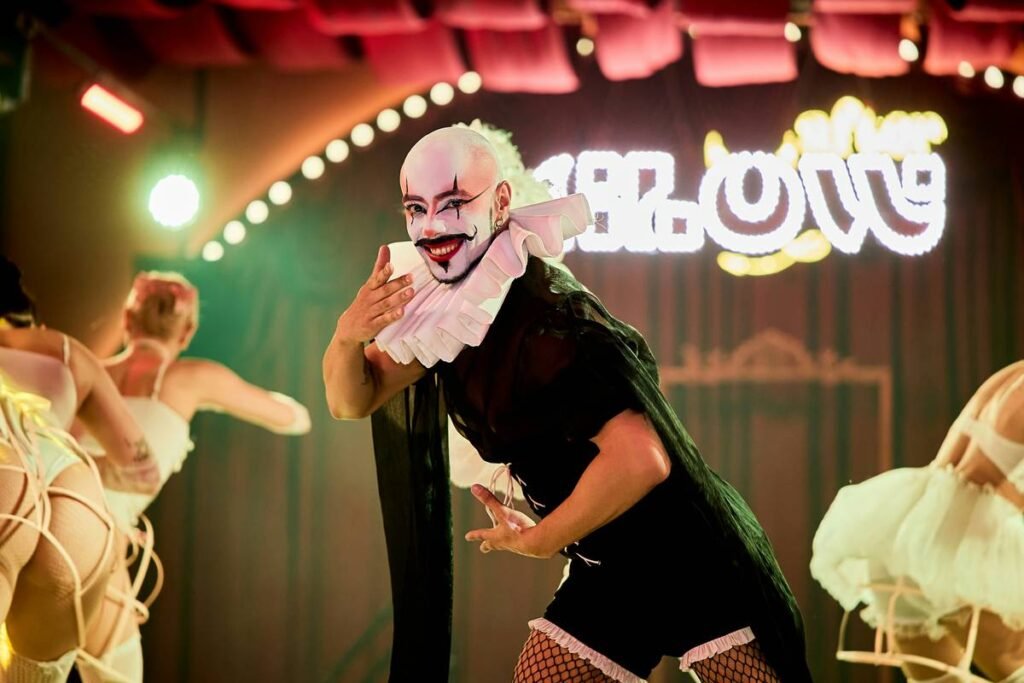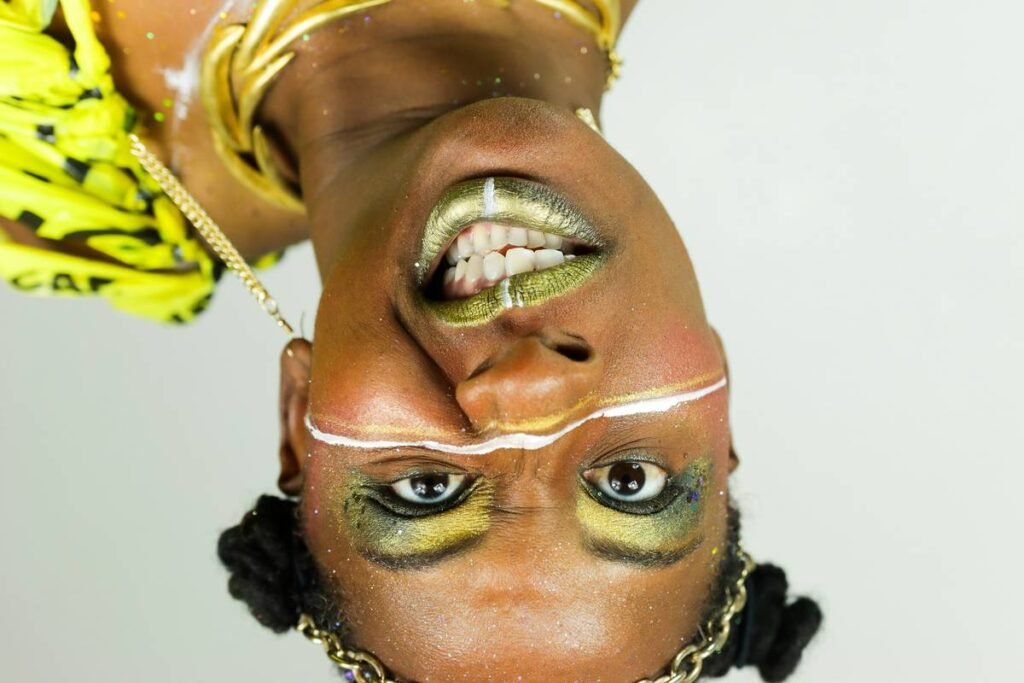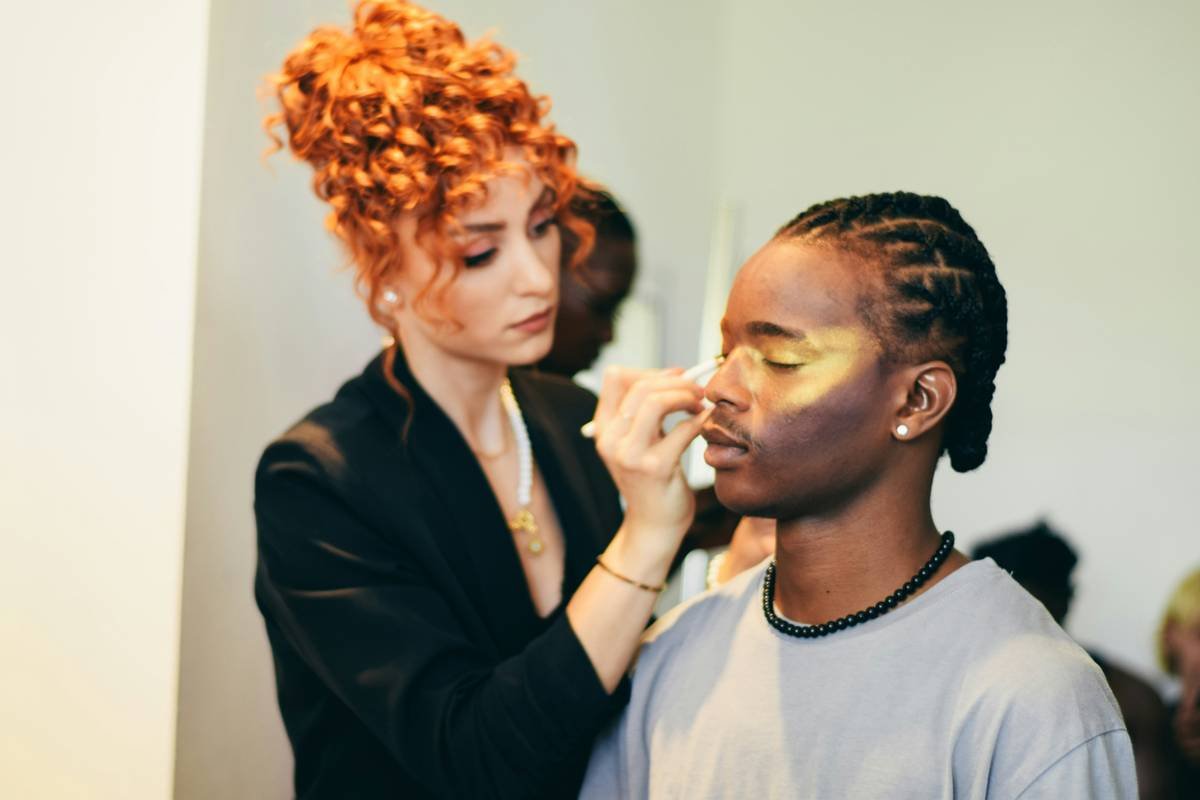
If you’ve ever watched an opera and wondered how performers maintain such dramatic, expressive faces under blinding stage lights—while singing for hours without smudging—you’re not alone. Opera performance makeup is a high-stakes art form where sweat, lighting, and distance conspire against even the most skilled artists. As someone who once used waterproof foundation that cracked under hot lights during a university production of Carmen, I learned the hard way: this isn’t regular makeup. It’s character armor.
Table of Contents
- Why Opera Makeup Is Unique in Performance Art
- Step-by-Step Guide to Applying Opera Performance Makeup
- Expert Best Practices & Common Pitfalls
- Real-World Examples from Professional Stages
- Frequently Asked Questions
Key Takeaways
- Opera performance makeup must be visible from 50+ feet away under intense lighting.
- Layering and setting are non-negotiable—sweat and movement demand durability.
- Color theory matters more than realism; exaggeration reads as truth on stage.
- Always test under stage-equivalent lighting before opening night.
Why Opera Makeup Is Unique in Performance Art
In the world of Beauty & Skincare, most tutorials focus on “no-makeup makeup” or camera-ready glam. But opera performance makeup operates under entirely different rules. The audience sits far from the stage, often in dimmed lighting, while performers are blasted by 1,000-watt spotlights that wash out subtle contours. Without bold lines, defined brows, and intensified features, facial expressions vanish.
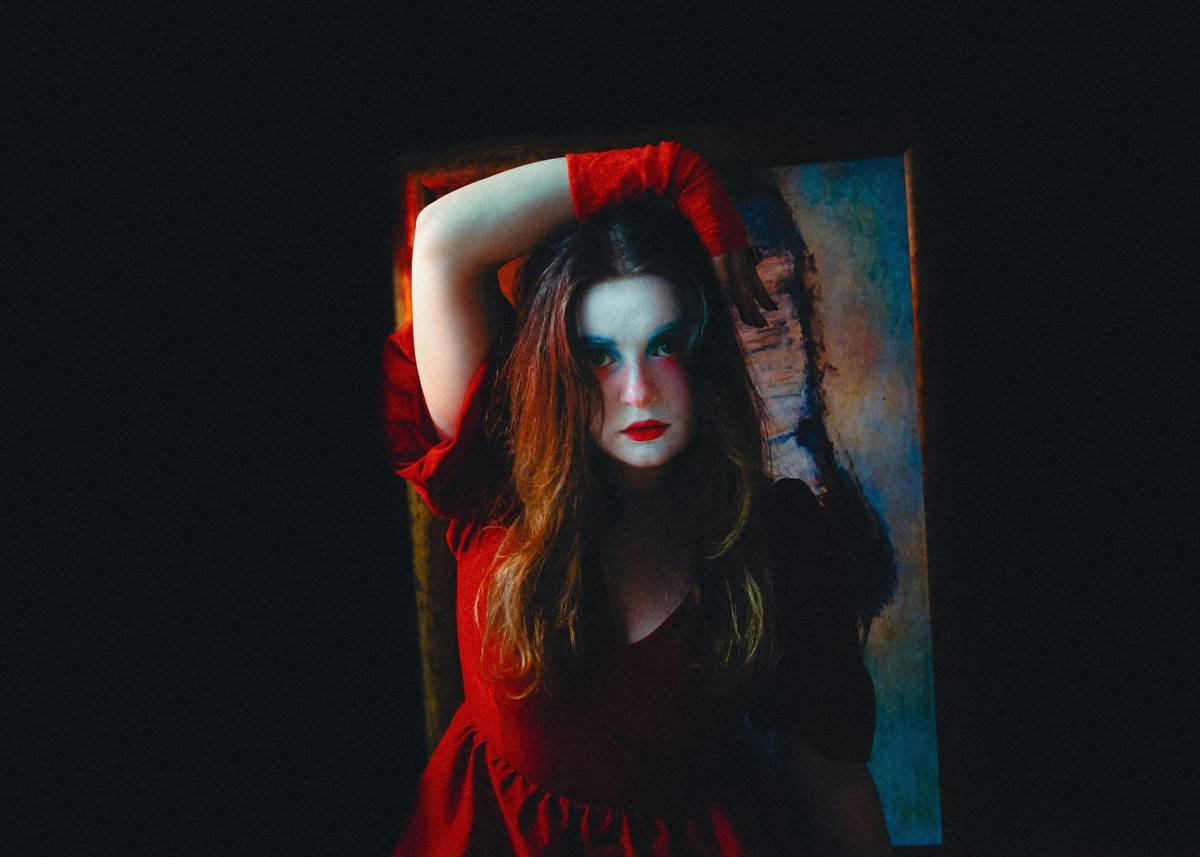
This micro-niche within costume makeup prioritizes clarity over naturalism. According to the Metropolitan Opera, performers often spend 90 minutes or more applying makeup before curtain time—much of it dedicated to building dimension that survives heat, movement, and vocal exertion.
Step-by-Step Guide to Applying Opera Performance Makeup
1. Prep the Canvas
Cleanse and hydrate—but skip heavy oils. Use a mattifying primer. Sweat is inevitable, so your base must grip the skin. I once skipped primer during a humid July run of La Bohème; by Act II, my contour had migrated south like a lost tourist.
2. Build Dimension with Cream Products
Powders flake under stress. Use cream-based contour and highlight (applied with sponges or fingers) to carve cheekbones, jawlines, and brow bones. Blend upward—gravity will do the rest during the show.
3. Set Strategically
Dust translucent powder only on T-zone and eyelids. Over-powdering creates a mask-like finish that cracks when emoting. For eyes, use alcohol-based setting spray over shadow to lock pigment.
4. Define Every Feature
Eyebrows should be darker and sharper than your natural shape. Lips need lip liner extended slightly beyond the vermillion border for visibility. Remember: what looks grotesque in a mirror reads as “expressive” 60 feet away.
Expert Best Practices & Common Pitfalls
- Use warm undertones for aging characters (even villains)—cool gray reads as “dead,” not “menacing.”
- Avoid glitter unless specified. It reflects light unpredictably and distracts from storytelling.
- Never skip a lighting test. Rehearsal room fluorescents lie. Always check under stage lamps.
And here’s a terrible tip I once followed: “Just use stage makeup from the theater closet—it’s all the same.” Spoiler: it wasn’t. Expired greasepaint caused a breakout that sidelined me for two shows. Always use fresh, professional-grade products.
My biggest pet peeve? Artists who prioritize Instagrammability over function. If your makeup looks flawless in a selfie but disappears under house lights, you’ve failed the art form. Opera isn’t content—it’s live storytelling.
Real-World Examples from Professional Stages
The Royal Opera House shares that their makeup team uses a 3-layer technique for lead roles: cream contour, stippled texture (for age or injury), and directional highlighting aligned with each performer’s key lighting plot. In a 2023 production of Turandot, this approach ensured the princess’s icy pallor remained legible even in wide shots.
Likewise, data from the Backstage Magazine survey reveals that 78% of opera makeup artists cite “lighting compatibility” as their top concern—more than longevity or ease of removal. This underscores why understanding your venue’s rigging is as crucial as your brushwork.
At CME Media & Design, our team of performance specialists has collaborated with regional opera companies to develop custom palettes that balance visibility with skin safety—a non-negotiable when performers wear makeup 6+ nights a week.
Frequently Asked Questions
What’s the difference between opera performance makeup and theatrical makeup?
Opera performance makeup emphasizes exaggerated features for large venues and long durations, often with richer pigments and more structured contouring than general theatrical makeup, which may prioritize quick changes over endurance.
Can I use regular foundation for opera roles?
No. Standard foundations lack the pigment density and sweat resistance required. Always opt for professional stage bases designed for high-heat, long-wear scenarios.
How do I remove opera performance makeup safely?
Use a dual-phase remover followed by gentle cleansing. Never scrub—repeated tugging causes irritation. We detail safe removal protocols in our data-conscious guidelines, respecting both skin health and user privacy.
Is opera performance makeup suitable for sensitive skin?
Yes—with caution. Patch-test all products 48 hours prior. Many modern brands offer hypoallergenic, fragrance-free options certified by dermatologists.
Where can I learn opera makeup techniques?
Beyond workshops, study lighting plots and observe dress rehearsals. And if you’re staging a production, reach out to us—we’ve trained performers from community theaters to conservatories.
Why is the keyword “opera performance makeup” so specific?
Because generic “stage makeup” advice fails opera’s unique demands: vocal vibration, extreme lighting, and emotional scale require specialized approaches that honor both artistry and anatomy.
Opera performance makeup isn’t about looking pretty—it’s about making silence speak and sorrow shine across a sea of seats. When done right, it vanishes into the story, leaving only the character behind. So layer boldly, set wisely, and never fear looking “too much” in the mirror.
For distance turns drama into truth—and greasepaint into legacy.