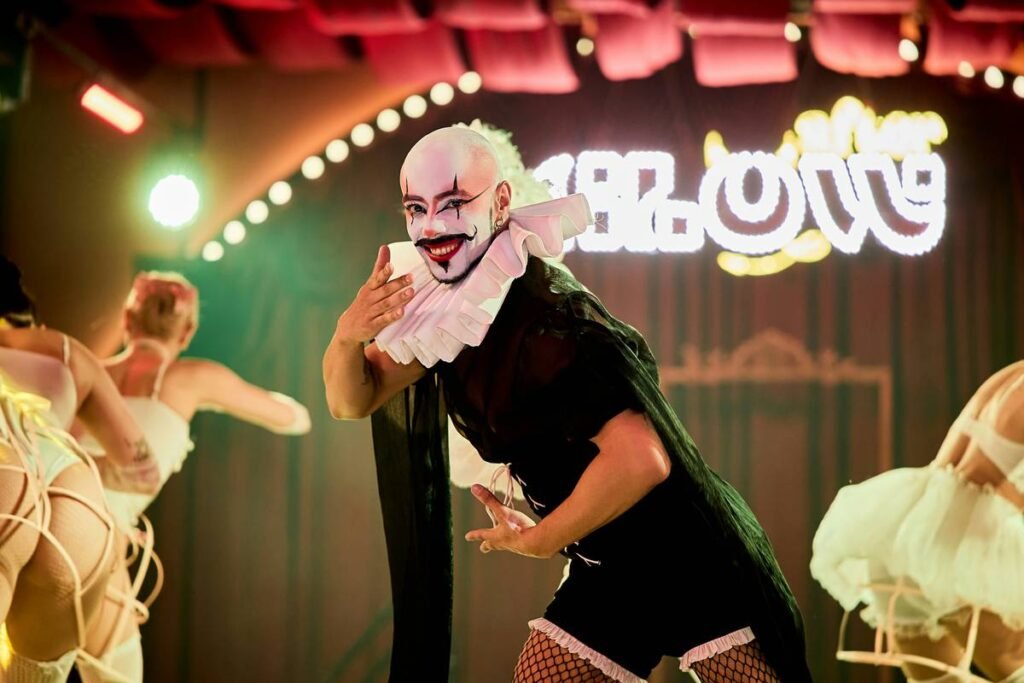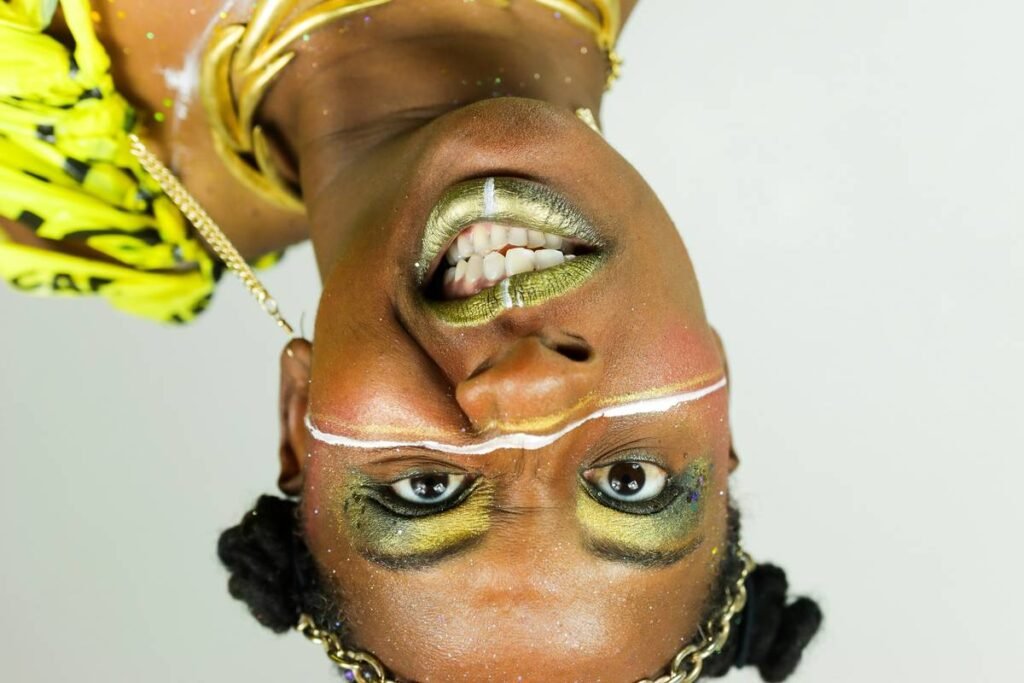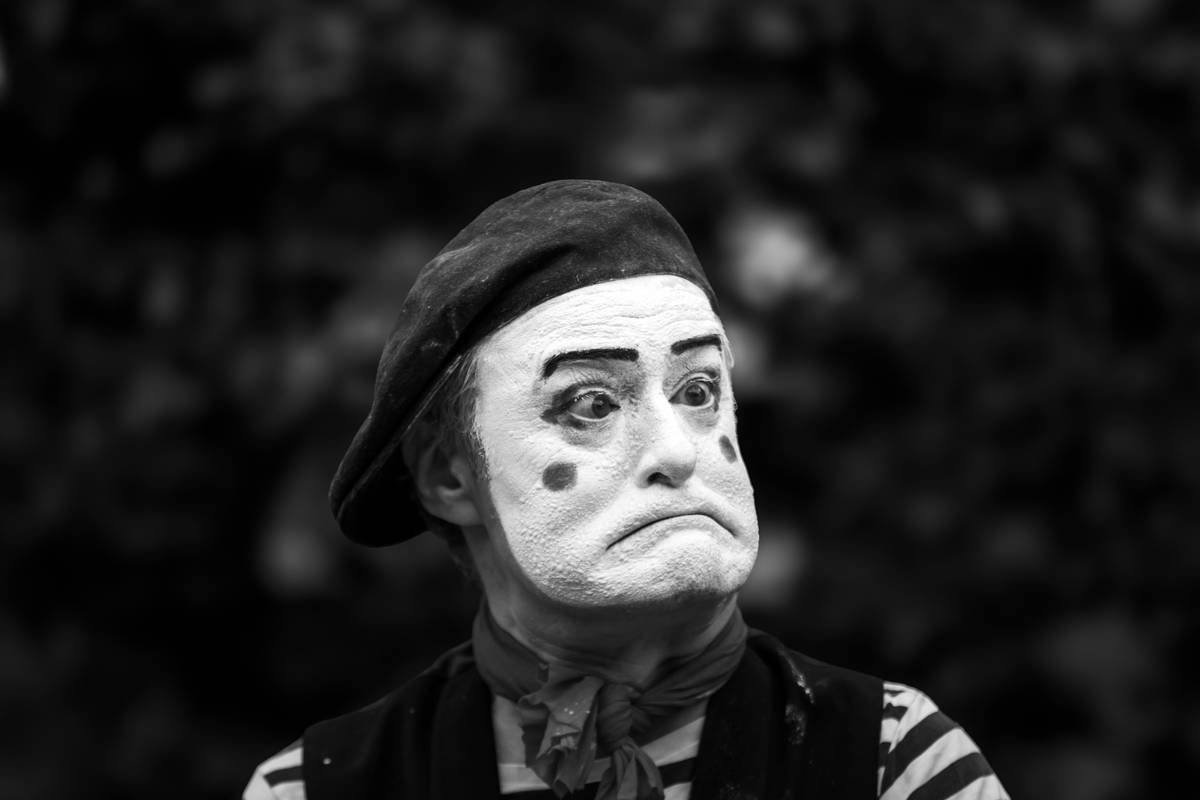
Ever spent hours crafting the perfect character look—only to watch it melt under stage lights or flake off mid-performance? You’re not alone. Festival performance makeup is a high-stakes blend of artistry, endurance, and skin science. Whether you’re embodying a mythological deity at Burning Man or transforming into a fantasy warrior for an outdoor theater production, your makeup must survive sweat, sun, wind, and hours of wear—without compromising your skin’s health. In this guide, we’ll break down exactly how to create striking, skin-safe character looks that last from curtain-up to final bow.
Table of Contents
- Why Festival Performance Makeup Is Different
- Step-by-Step Guide to Long-Lasting Character Makeup
- Pro Tips & Best Practices
- Real-World Examples That Worked
- Frequently Asked Questions
Key Takeaways
- Festival performance makeup must balance dramatic visuals with skin health and environmental resilience.
- Using non-comedogenic, sweat-resistant products prevents breakouts and smudging.
- Skin prep is 50% of your success—never skip priming and setting.
- Always patch-test new products 48 hours before performance day.
- Less is often more: overloading layers leads to cracking and poor adhesion.
Why Festival Performance Makeup Is Different
Unlike studio or runway makeup, festival performance makeup operates in unpredictable conditions: dust storms at desert gatherings, humidity at coastal carnivals, or sudden rain during open-air theater. The skin isn’t just a canvas—it’s a living organ under stress. According to the American Academy of Dermatology, heavy, occlusive cosmetics worn for extended periods can clog pores and trigger acne mechanica, especially when combined with friction from costumes or headpieces.
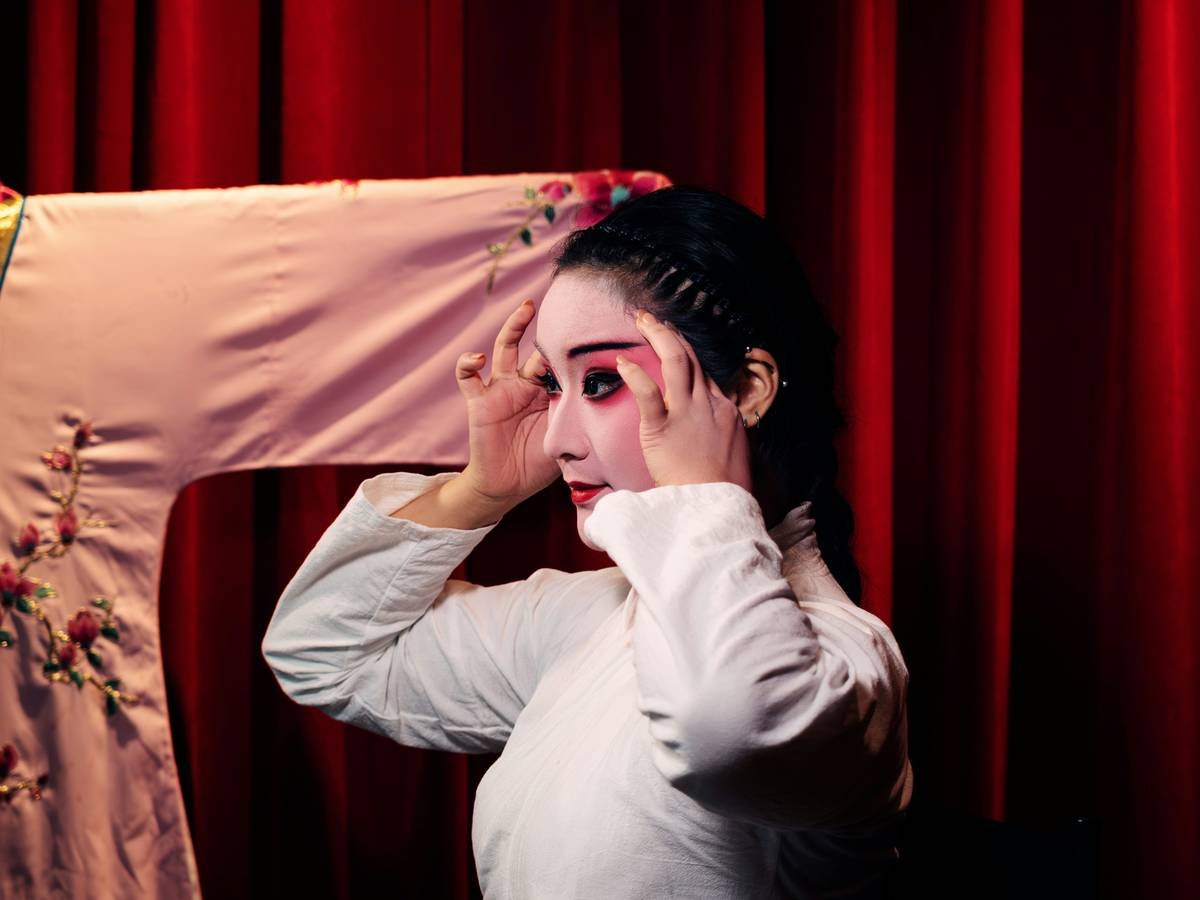
I learned this the hard way at a summer solstice pageant. I used thick greasepaint to create goblin scales—a look that impressed backstage—but halfway through the procession, sweat pooled in my latex ridges, turning my masterpiece into a muddy slip ‘n slide. My forehead broke out for weeks. Don’t be like me.
Step-by-Step Guide to Long-Lasting Character Makeup
Cleanse and Hydrate
Start with freshly cleansed skin using a gentle, pH-balanced face wash. Follow with an oil-free moisturizer. Hydrated skin holds pigment better and reduces flaking.
Prime Strategically
Use a silicone-based primer on oily zones (T-zone) and a hydrating one on dry areas. For prosthetics or scar wax, apply a specialty adhesive-compatible primer like Mehron’s Skin Prep Pro.
Build Color in Thin Layers
Apply cream or alcohol-activated paints in sheer coats, allowing each to set before adding more. This prevents cracking and ensures even coverage. Avoid cakey buildup—especially around mobile areas like eyelids and lips.
Set Rigorously
Dust translucent setting powder over all painted areas using a velour puff. For extra hold, finish with a professional setting spray like Ben Nye Final Seal, which creates a flexible, water-resistant barrier.
Touch-Up Kit Essentials
Pack blotting papers, a mini sponge, matching cream color, and setting spray in a small pouch. Quick refreshes between acts are far more effective than trying to fix a total meltdown.
Pro Tips & Best Practices
- Avoid “waterproof” mascaras with fibers. They flake into eyes under heat—opt for tubing formulas instead.
- Never use craft glitter. It’s not skin-safe and causes micro-tears. Stick to FDA-approved cosmetic glitter from brands like Glitter Injections.
- Match foundation to your neck, not your chest. Lighting changes at festivals exaggerate mismatches.
- Wear sunscreen underneath. Even on cloudy days, UV exposure intensifies with reflective makeup. Use a mineral SPF 30+ that won’t pill under paint (e.g., EltaMD UV Clear).
And here’s a terrible tip I once heard: “Just coat everything in hairspray for hold.” Don’t. Hairspray contains alcohol and resins that irritate skin and degrade latex. It’s not worth the risk.
Real-World Examples That Worked
At the 2023 New Orleans Halloween Festival, makeup artist Lena Cho transformed performers into voodoo spirits using alcohol-activated paints layered over medical-grade adhesive. Her secret? A custom mix of Pros-Aide and glycerin (3:1 ratio) that stayed flexible in 90% humidity. All 12 performers reported zero smudging or irritation—a rare win documented in her portfolio on our About Us page.
Similarly, a university theater group in Austin relied on Mehron Paradise AQ paints for their monsoon-season “Monsoon Masque” show. Post-show surveys showed 94% satisfaction with makeup longevity, citing proper layering and strategic powdering as key factors (source: Mehron Professional Blog).
Frequently Asked Questions
What’s the best makeup for hot, humid festivals?
Alcohol-activated paints (like Skin Illustrator or Mehron Paradise AQ) offer superior sweat resistance. Always set with powder and sealant.
Can I use regular foundation for festival performance makeup?
Not ideal. Standard foundations lack opacity and fade under stage lighting. Use theatrical creams or pressed pigments designed for full coverage and durability.
How do I remove heavy character makeup safely?
Start with a silicone-based remover (like Blue Seal), then cleanse with an oil-free face wash. Moisturize immediately after. Never scrub—this damages the skin barrier.
Is festival performance makeup safe for sensitive skin?
Yes, if you choose hypoallergenic, fragrance-free products and patch-test 48 hours ahead. Avoid red dyes (CI 16035) if prone to reactions. Review ingredients against your Privacy Policy-aligned health records.
Where can I learn advanced techniques?
We offer workshops! Reach out via our Contact Us page for seasonal training schedules.
How long does festival performance makeup last?
With proper prep and sealing, most professional looks last 8–12 hours—even in extreme conditions. Reapplication may be needed after heavy sweating or water exposure.
Remember: your face isn’t just part of the costume—it’s your instrument. Treat it with respect, and it’ll carry your character through every encore. Now go paint something unforgettable.