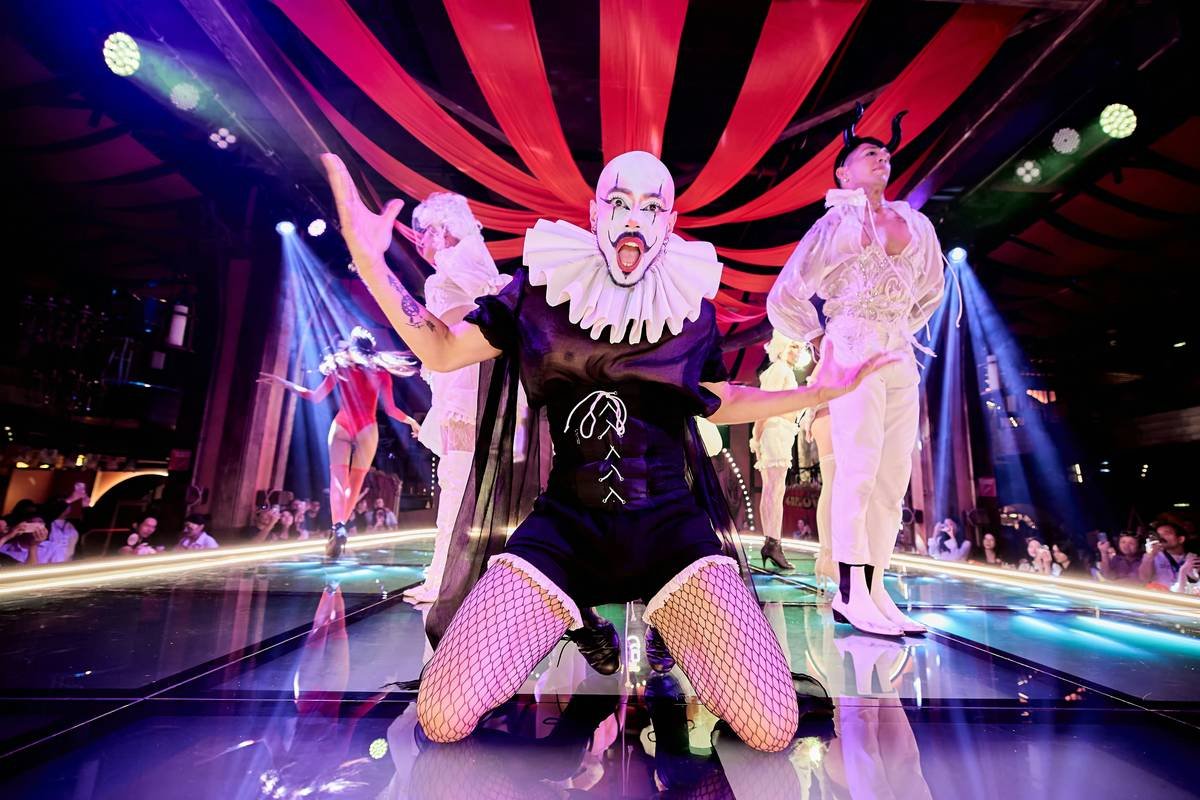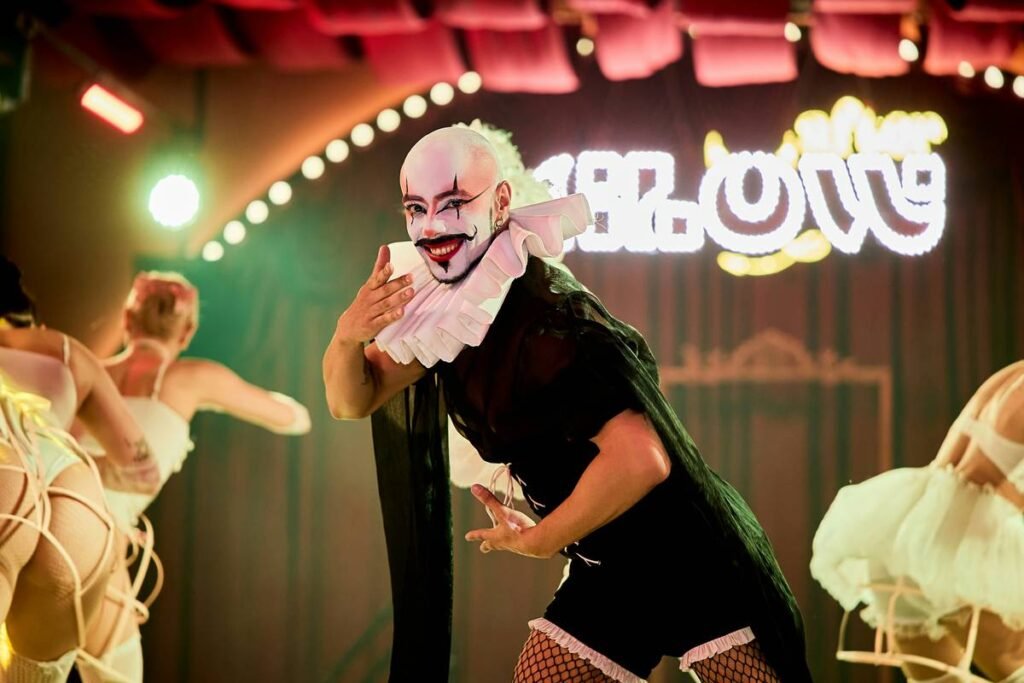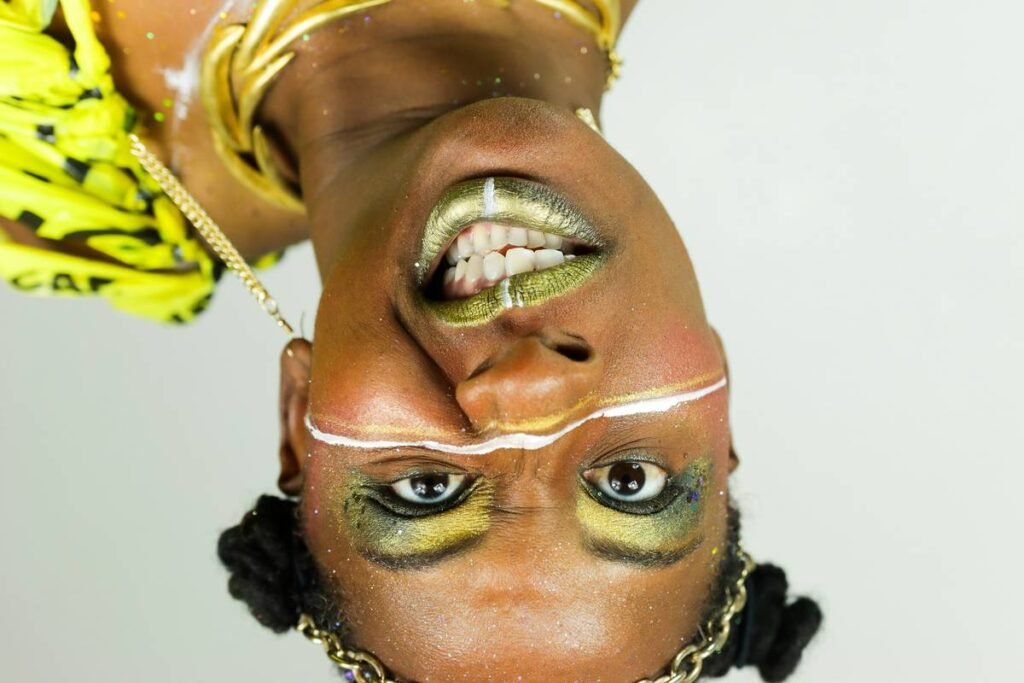
Stage lights wash out faces. Sweat melts foundation. Quick changes leave no room for error. In musical theater, your makeup isn’t just cosmetic—it’s survival gear. And yet, most performers apply everyday techniques that vanish by Act II. The fix? A disciplined, character-first approach to musical performance makeup that holds under pressure and reads from the back row.
Why Standard Makeup Fails Under Stage Lights
Your drugstore concealer won’t cut it when a 3,000-lumen spotlight hits your forehead mid-ballad. Traditional beauty routines prioritize subtlety—stage demands exaggeration with control. The problem isn’t talent; it’s context blindness.
And here’s what no one tells you: lighting designers don’t adjust gels to flatter your blush. They shape mood. If your cheekbones disappear in a cold blue wash, the audience sees a flat mask—not a grieving heroine.
Building Character Through musical performance makeup: A Step-by-Step Framework
Forget “doing your face.” Think sculpting identity. Every stroke should serve narrative, not vanity.
Map Your Lighting Profile First
Ask the LD (lighting designer) for the key cue palette. Warm tones? Cool washes? High contrast? Your base must counteract—not compete—with those conditions. In cool light, neutral foundations turn ashen. You’ll need golden undertones even if you’re pale IRL.
Contour Like a Caricaturist—Not a Camera Filter
Stage makeup lives in two dimensions to the audience. So you build dimension with pigment. Hollows under cheekbones? Deepen them. Jawline soft? Sharpen it. But avoid muddy blends—keep edges crisp so shadows read cleanly from 50 feet away.
Waterproof Everything, Then Seal It Twice
Dancing, belting, crying on cue—your face is a moisture zone. Use alcohol-activated paints for base layers, then lock with setting spray formulated for sweat resistance (not just oil control). Bonus: dust translucent powder only on high-sweat zones like T-zone. Over-powdering kills luminosity.
| Product Type | Standard Beauty Choice | Stage-Ready Alternative | Key Reason |
|---|---|---|---|
| Foundation | Hydrating liquid (e.g., dewy finish) | Alcohol-activated cream (e.g., Mehron Paradise AQ) | Won’t oxidize or slide under heat |
| Eye Liner | Pencil or gel | Waterproof cake liner + setting spray | Stays sharp through choreography |
| Blush | Powder or cream | Cream-to-powder hybrid (e.g., Kryolan Supracolor) | Builds intensity without patchiness |
| Setting | Light mist | Dual-layer: powder + matte setting spray | Creates a flexible, breathable barrier |
The Industry Secret: Makeup as Silent Dialogue
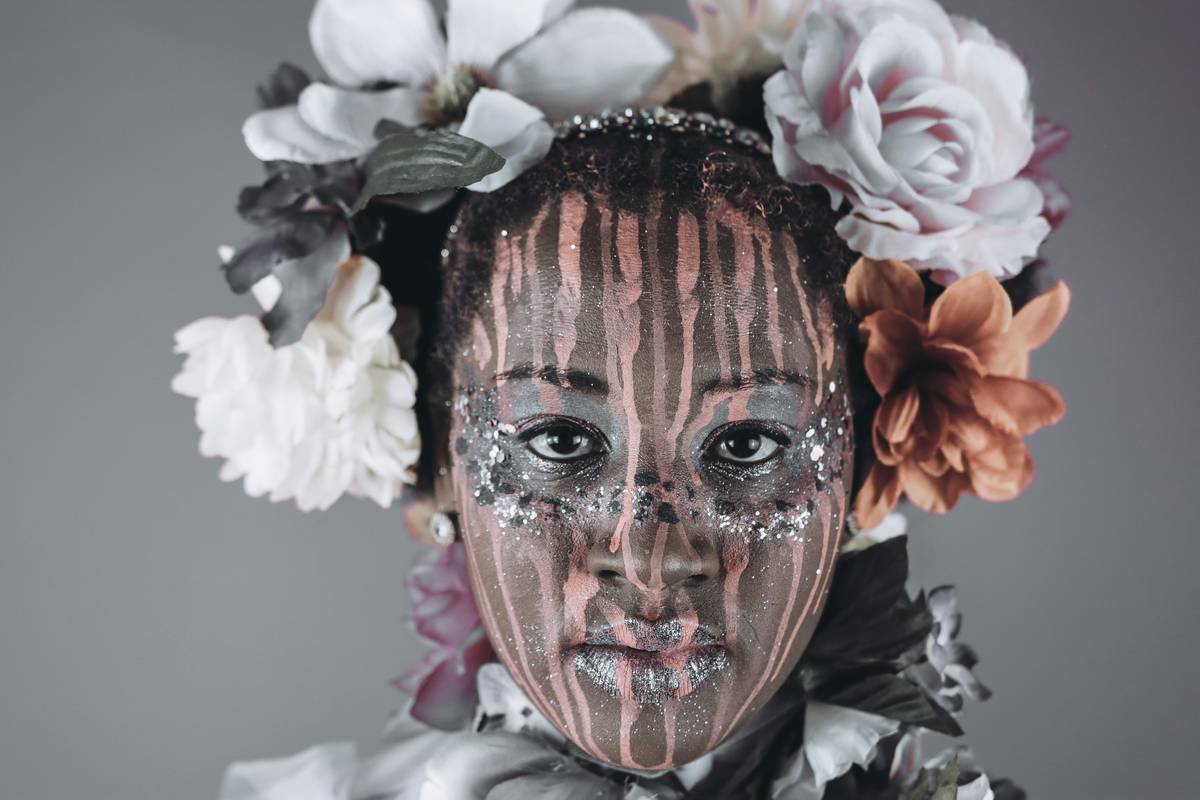
Here’s the reality most makeup artists won’t admit: your musical performance makeup should change *within* the show. Not just for quick changes—but through intentional wear. A villain’s smudged eyeliner in Act III can telegraph moral decay better than any lyric. This isn’t laziness; it’s choreographed degradation.
Think about it. In Sweeney Todd, Mrs. Lovett’s cheeks start vibrant but fade into sallow exhaustion by the finale. That’s not poor touch-ups—that’s calculated storytelling. The math is simple: if your makeup looks the same in every scene, you’re wasting visual narrative power.
Frequently Asked Questions
How do you make musical performance makeup last through dance numbers?
Use alcohol-based products, avoid oil-heavy creams, and seal with a dual-phase method: translucent powder on hot zones followed by a sweat-resistant matte setting spray. Rehearse in full costume to test durability.
Can you use regular makeup for small theater productions?
Only if lights are dim and seats are close. For anything beyond a black-box studio, standard makeup disappears. Even intimate venues now use LED arrays that flatten unmodified skin tones.
What’s the biggest mistake performers make with character makeup?
Over-blending. Stage isn’t HD film—it needs defined planes. Soft gradients read as muddy blobs under spotlights. Keep shadows sharp, highlights deliberate.