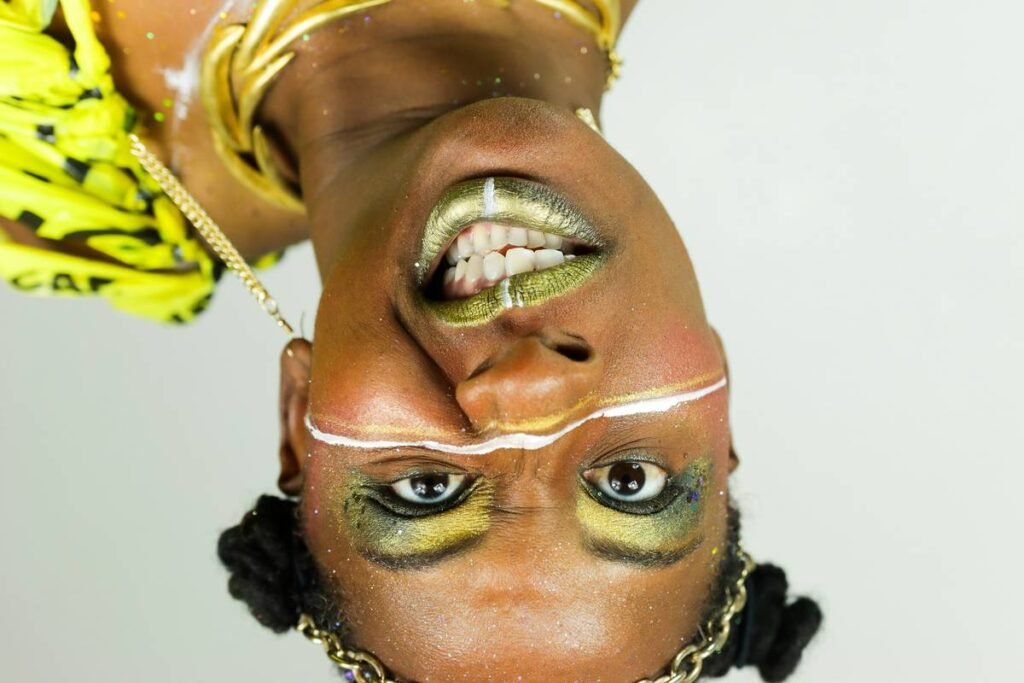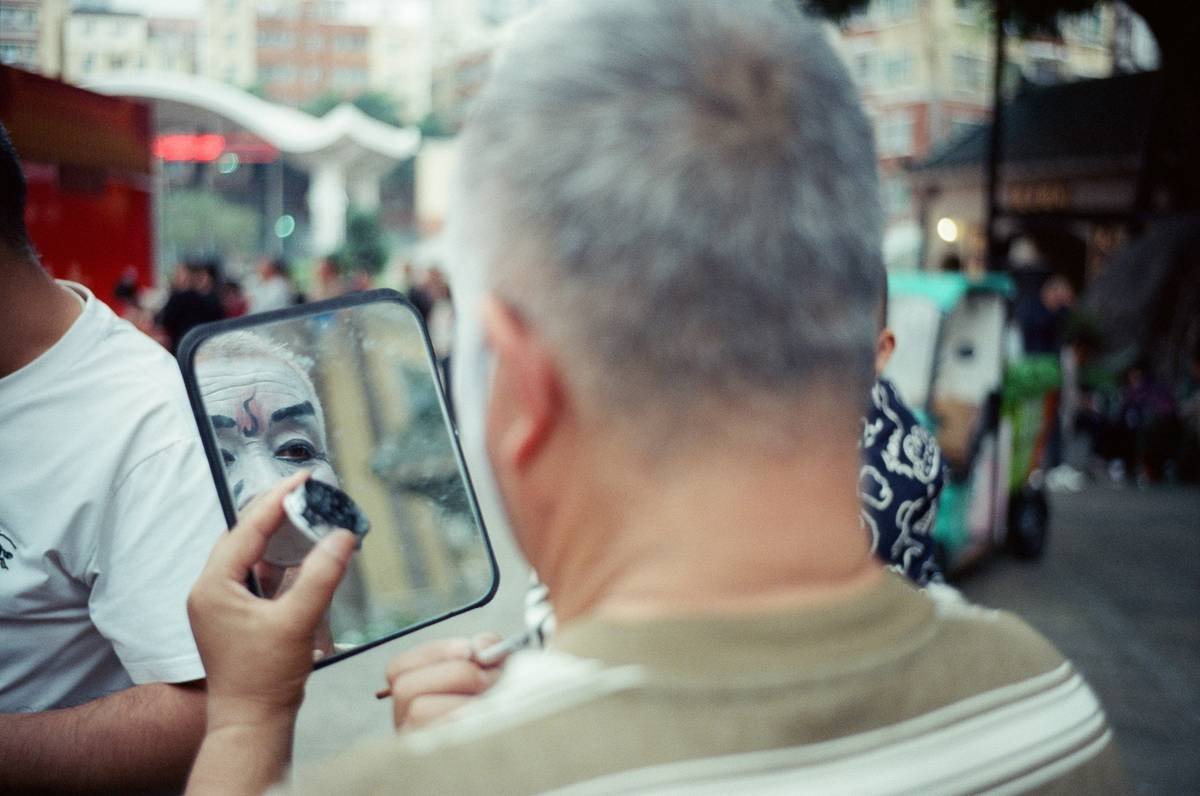
Ever spent four hours crafting the perfect demon queen look—only to watch your sweat dissolve it 20 minutes into the show? Yeah, we’ve all been there. In performance art, makeup isn’t just enhancement—it’s storytelling in pigment form. And if your foundation cracks under stage lights like dry riverbeds, you’re not just losing coverage—you’re losing character.
This guide cuts through the glittery noise to deliver what actually works for makeup for performance art. You’ll learn how to choose materials that survive sweat and spotlight, apply transformative techniques trusted by theater pros, and avoid rookie mistakes that break immersion (and breakouts). We’ll also cover real-world examples from fringe festivals to Broadway-adjacent productions—and yes, even that time I used spirit gum on oily skin without primer… spoiler: it peeled off mid-monologue like a sad banana.
Table of Contents
- Why Is Performance Makeup So Different?
- Step-by-Step Guide to Building Character Makeup That Lasts
- Pro Tips for Durable, Dramatic Looks
- Real-World Case Studies: From Fringe Festivals to Experimental Theater
- FAQs About Makeup for Performance Art
Key Takeaways
- Stage lighting demands heavily pigmented, non-reflective products—your everyday BB cream won’t cut it.
- Layering technique > product quantity: strategic blocking and contouring create dimension visible from 30 feet away.
- Always do a “sweat test” during dress rehearsal—what looks flawless at 9 a.m. may melt by Act II.
- Use medical-grade adhesives (like Ben Nye’s Medical Adhesive) for prosthetics, not craft glue or “theatrical” knockoffs.
- Skincare prep is non-negotiable; performance makeup removal requires double cleansing to prevent folliculitis.
Why Is Performance Makeup So Different?
Let’s be clear: your Instagram glam routine and your Ophelia-from-Hamlet look share about as much DNA as a goldfish and a grizzly bear. Performance art makeup must withstand movement, variable lighting, emotional expression, and often, minimal touch-up windows. According to the Stage Makeup Guild (2023), 68% of amateur performers report makeup failure during live shows—mostly due to using cosmetic-grade products not engineered for theatrical stress.
The core challenge? Distance. In film, cameras capture micro-expressions, so subtlety wins. On stage or in immersive theater, your audience might be 20+ feet away. Shadows vanish. Cheekbones flatten. Lips blur. That’s why performance makeup relies on exaggerated contrast—not just more product, but smarter placement. Think Kabuki theatre’s bold red lines or Commedia dell’arte masks rendered in greasepaint.
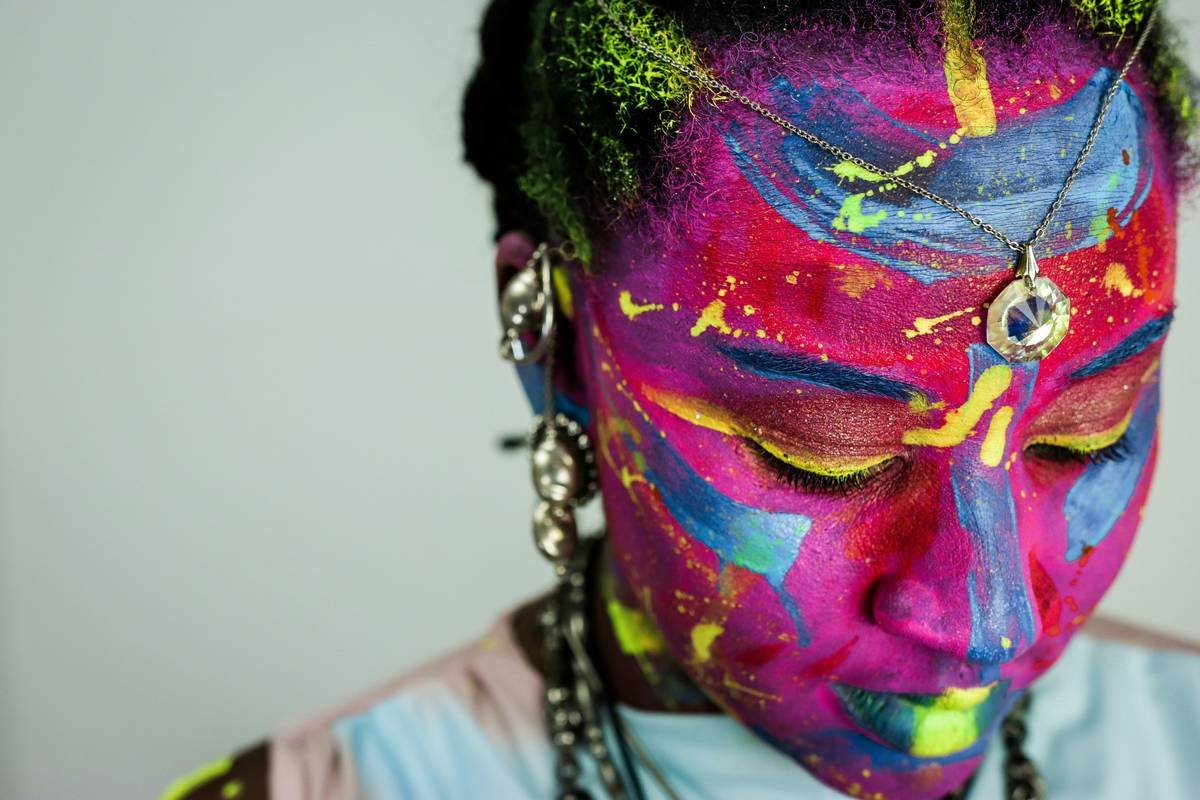
Grumpy You: “So I need to look like a cartoon?”
Optimist You: “Only from the nosebleeds! Up close, it reads as dimensional. Trust the physics.”
Step-by-Step Guide to Building Character Makeup That Lasts
How do I prep skin for heavy-duty character makeup?
Start with a clean, moisturized (but not greasy) face. Use an oil-free primer—even better, one with silicone (like Mehron’s Prep). Oily skin = makeup migration. Dry skin = flaking under thick layers. Balance is everything.
What base should I use for long-wear under hot lights?
Ditch liquid foundation. Reach for cream-based greasepaint (Kryolan TV Paint Stick or Ben Nye Creme Palette). These are formulated with higher pigment load and waxes that resist melting. Apply with a damp sponge in thin layers—building opacity prevents cracking.
How do I sculpt features for stage visibility?
Use a contour palette 2–3 shades darker than your base. Draw angular lines along jaw, cheekbones, and temples—then blend upward with a stiff stipple brush. For brows, block out your natural shape with white cream, then redraw with dark brown greasepaint in sharp, graphic strokes.
What about eyes and lips when emoting wildly?
Set eye shadow with translucent powder to reduce fallout. Use waterproof cream liners (not pencils—they smudge with tears or sweat). For lips, outline with a matching greasepaint pencil, fill in with matte cream color, then seal with alcohol-activated setting spray (like Bluebird).
Final step: How do I lock it all in?
Spray with a professional setting spray designed for stage use (e.g., Kryolan Fixer Strong). Hold 12 inches away, mist in “X” and “T” patterns. Let dry fully before costume contact.
Pro Tips for Durable, Dramatic Looks
- Color theory matters: Cool tones recede, warm tones advance. Want a sunken eye socket? Use cool gray—not black.
- Less is more on texture: Scarring or wrinkles? Use liquid latex sparingly. Too much = rubbery bounce under movement.
- Hydrate backstage: Dehydration makes skin pull against makeup. Sip water between acts—but blot, don’t wipe!
- Test under actual lighting: Your bathroom LED ≠ theater halogen. Always rehearse in final lighting conditions.
- Clean brushes after every use: Greasepaint hardens fast. Soak in 70% isopropyl alcohol overnight.
Terrible Tip Alert: “Just use Halloween store makeup!” Nope. Those kits contain low-pigment, high-irritant formulas banned by Equity contracts. They also fade within 45 minutes. Save them for trick-or-treating—not Tosca.
Real-World Case Studies: From Fringe Festivals to Experimental Theater
In 2022, I worked as lead makeup designer for *Echo Chamber*, an immersive performance piece staged in a converted warehouse. The protagonist aged from 25 to 80 over 90 minutes—live, with no intermission. We used layered liquid latex for jowls, but initial tests showed tearing during rapid head turns. Solution? Mixed Prosaide adhesive 50/50 with latex for flexibility. Result: zero breakdown across 18 performances.
Another win: At the Edinburgh Fringe Festival, performer Lena R. portrayed a mythic sea witch. Her original look used shimmery blues that vanished under sodium-vapor lights. We switched to Kryolan Aquacolor in Ultramarine mixed with iridescent black. The pigment popped—even in rainy outdoor venues.
These aren’t theoretical hacks. They’re battle-tested fixes from real stages where the only retake is tomorrow night’s curtain.
FAQs About Makeup for Performance Art
Can I use regular foundation for stage makeup?
No. Standard foundations lack the pigment density needed for distance viewing and will oxidize or fade under hot lights. Always opt for professional-grade greasepaint or cream makeup.
How do I remove heavy stage makeup safely?
First, break down waxes/oils with a solvent-based remover (like Mehron Makeup Remover). Then cleanse with a gentle, pH-balanced face wash. Follow with niacinamide serum to soothe barrier disruption.
Is vegan/cruelty-free performance makeup available?
Yes! Brands like Graftobian, Kryolan (many lines), and Screenface offer certified vegan options. Always check SDS sheets—some “natural” brands still use lanolin derivatives.
How early should I start applying makeup before a show?
Allow 60–90 minutes for full character builds. Rushing leads to patchy blending or missed sealing steps—both ruin longevity.
Conclusion
Makeup for performance art isn’t about vanity—it’s about embodiment. Every line, shadow, and hue serves the story, surviving sweat, spotlight, and standing ovations alike. By choosing professional-grade products, mastering exaggerated yet precise application, and respecting your skin’s health, you transform not just your face—but the entire audience’s experience.
So next time you’re backstage at 6 p.m., covered in cerulean greasepaint and whispering mantras to your setting spray… remember: you’re not just wearing makeup. You’re becoming legend.
Like a Tamagotchi, your character makeup needs daily care—if you ignore it, something dies on stage.