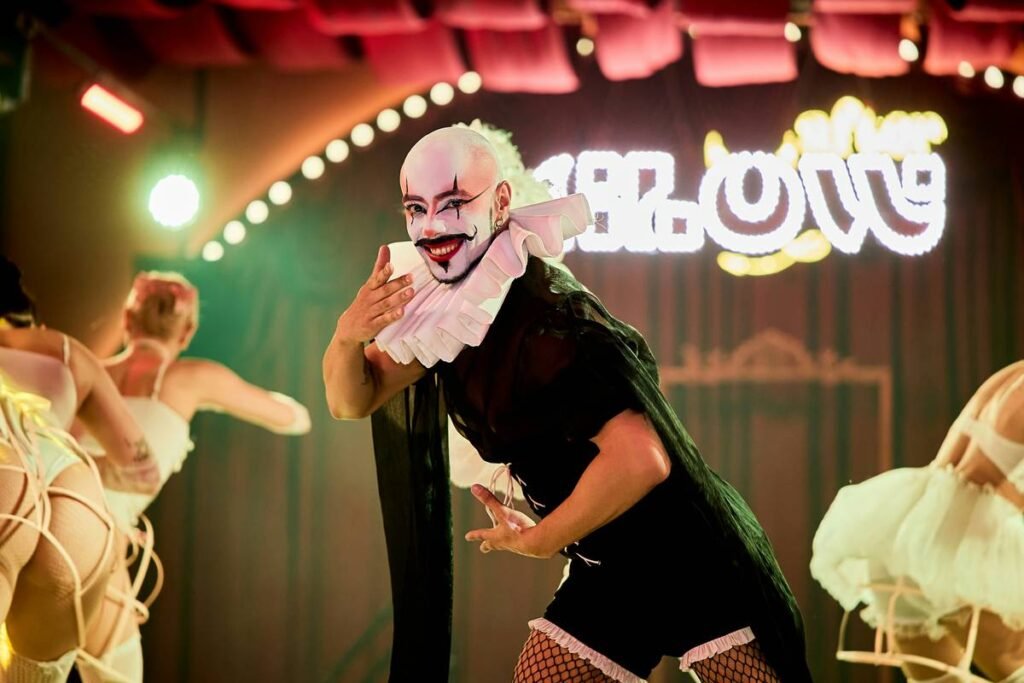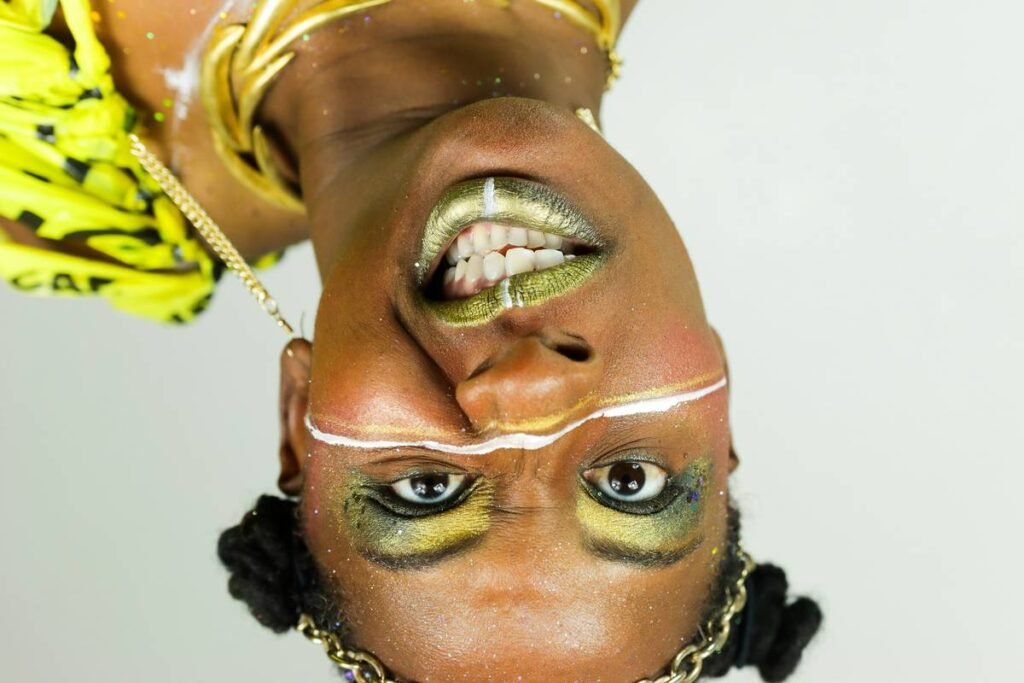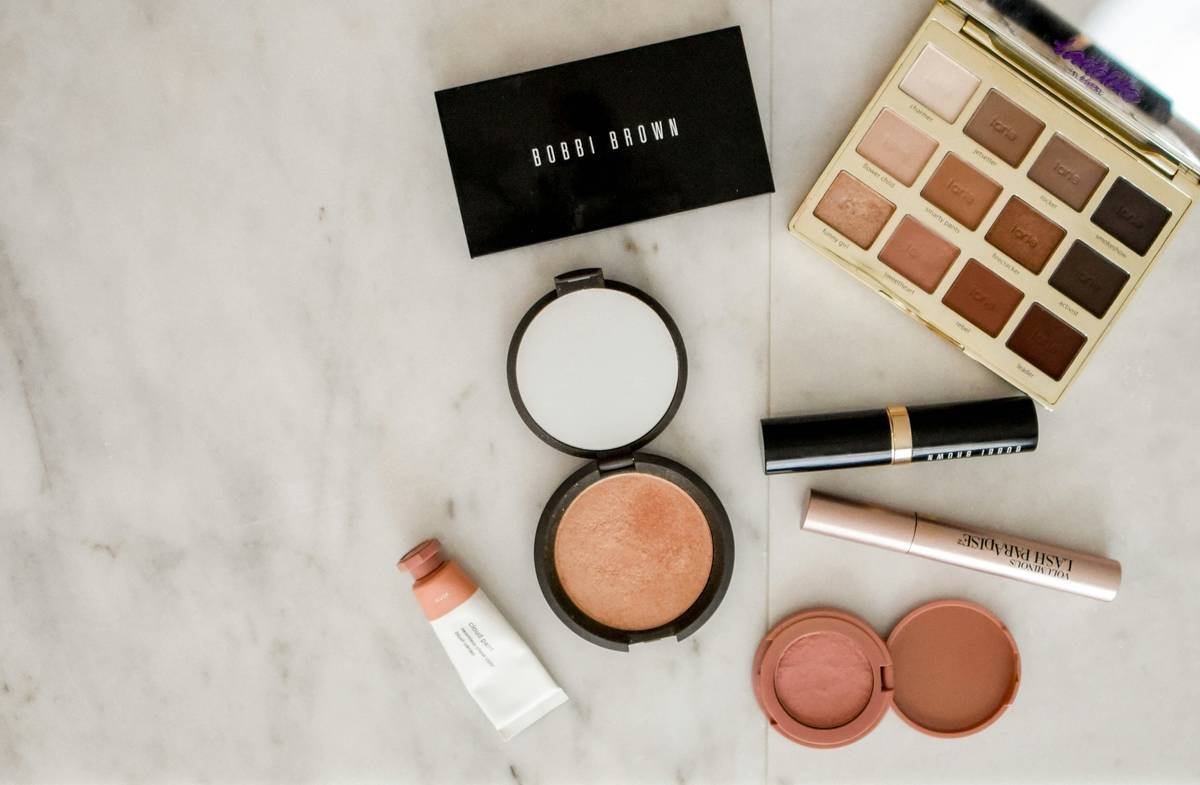
Most performers slap on greasepaint, call it a day, and wonder why their punchlines land flat. The truth? Comedic performance makeup isn’t just about big eyes or red noses—it’s psychological warfare with a sponge. Bad makeup distracts. Great makeup disappears—except where it shouldn’t. And today, you’ll learn how to weaponize pigment.
Why Traditional Stage Makeup Fails for Comedy
Stage drama relies on realism stretched thin. Comedy thrives on exaggeration—but not chaos. Standard theatrical palettes drown nuance in thick, matte layers that crack under spotlight heat or audience scrutiny. Your eyebrows vanish. Your grin looks like it was drawn by a nervous intern.
And worst of all? It doesn’t *read* from the back row.
Comedy lives in micro-expressions—a twitch of the lip, a raised brow. Cover those in cakey foundation, and you’ve silenced your own face. The math is simple: if your makeup fights your timing, you lose.
Building Comedic Performance Makeup That Actually Works
This isn’t about clown kits from party stores. Real comedic makeup balances visibility, durability, and expressiveness. Follow this battle-tested sequence:
Map Your Facial Architecture First
Sketch your natural contours with a brow pencil under neutral light. Identify your “laugh lines”—the paths your face takes when genuinely amused. These become your guide rails. Reinforce them, don’t erase them.
Pigment Choice = Performance Clarity
Ditch full-coverage foundations. Use semi-opaque cream pigments (like Ben Nye Cream Color Base) that bond with skin oils but flex with movement. Matte finishes kill dimension; satin reflects just enough light to sculpt without glare.
Controlled Exaggeration Zones
Amplify only three zones: eye sockets (not lids), nasal bridge, and jaw hinge. Overdo cheeks or lips, and you look manic—not funny. Think Buster Keaton, not birthday party balloon animal.
| Technique | Duration | Cost Range | Best For |
|---|---|---|---|
| Cream + Powder Set | 4–6 hours | $25–$60 | Indoor theater, controlled lighting |
| Silicone-Based Palette | 8+ hours | $70–$150 | Outdoor festivals, sweat-heavy shows |
| Hybrid Airbrush + Hand Blend | 5–7 hours | $100–$200 (with equipment) | High-definition close-ups (film/commercial comedy) |
Lock It Without Suffocating It
Spray setting sealant—but only after stippling translucent powder into high-movement zones (forehead, smile lines). Mist from 12 inches away in short bursts. Too much, and you’ve varnished a painting. Not enough, and Act Two melts into tragedy.
The Industry Secret: Funny Faces Need “Negative Space”
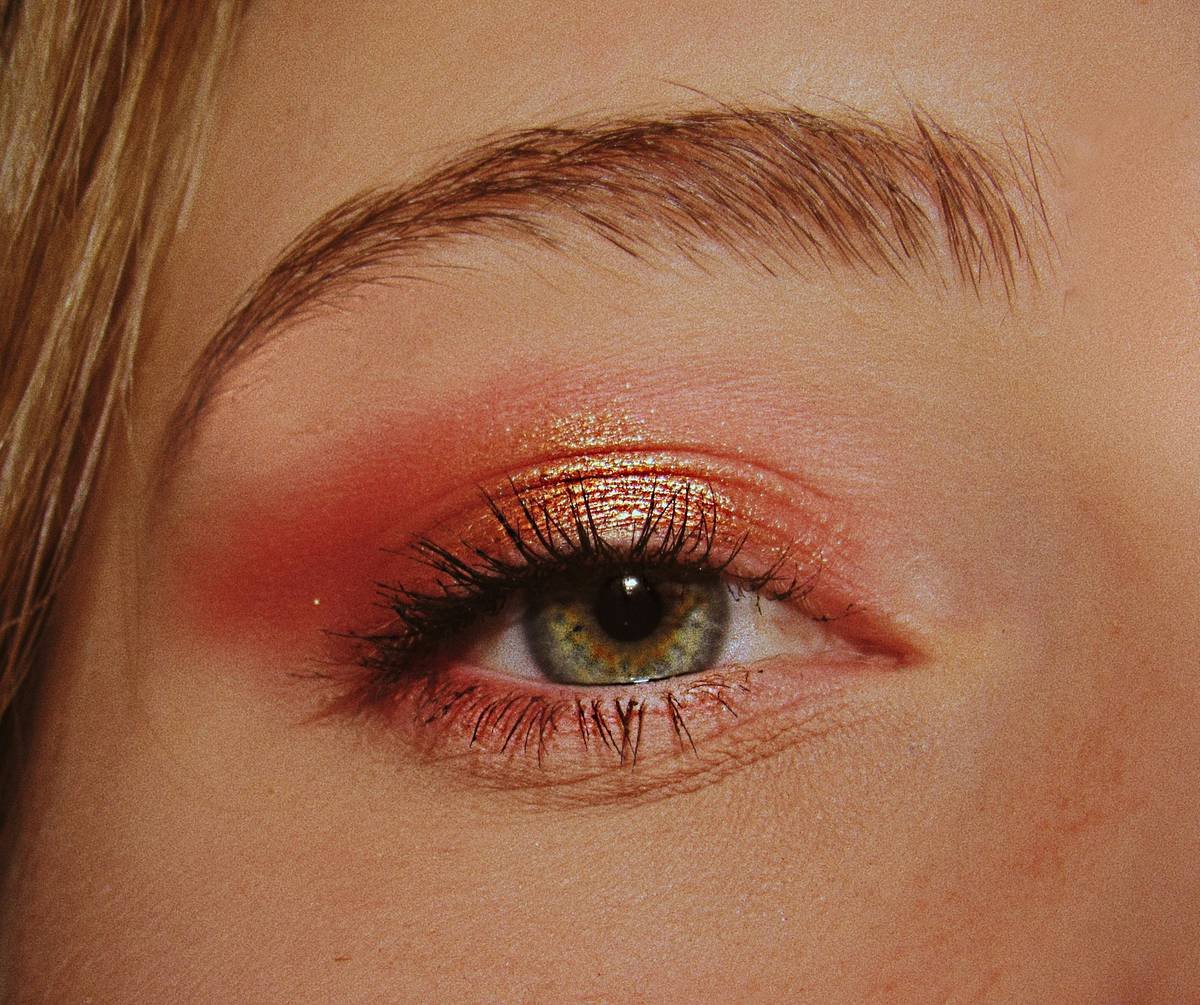
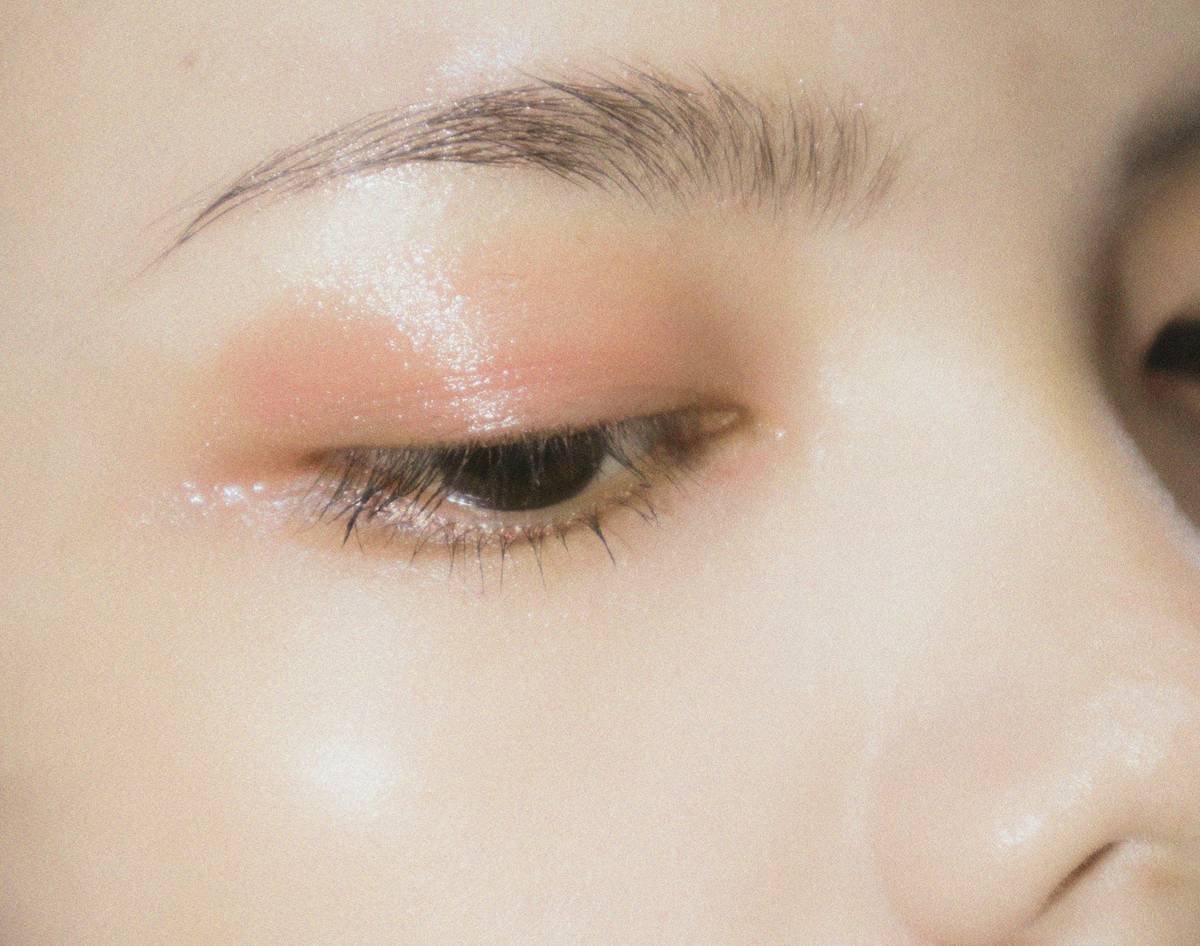
Here’s what no makeup manual tells you: comedy breathes through what you *don’t* cover. Leave strategic patches of bare or lightly tinted skin—especially around the outer eye corners and chin—to create visual rest points. This lets the exaggerated elements pop harder.
I once worked with a physical comedian whose nose kept vanishing under layers. We stripped everything back, left his actual nose untouched, and only outlined the *shadow side*. Suddenly, the prop nose stuck—and so did the laughs. Less pigment, more perception.
Comedic performance makeup isn’t decoration. It’s direction.
Frequently Asked Questions
How is comedic performance makeup different from clown makeup?
Clown makeup follows strict archetypes (Auguste, Whiteface). Comedic performance makeup is character-specific—designed to support timing, not tradition.
Can I use regular foundation for comedic roles?
Only if you want it to slide off mid-punchline. Use cream-based theatrical pigments—they move with facial muscles and resist sweat under hot lights.
What’s the biggest mistake beginners make?
Overloading color everywhere. Focus on 2–3 key features. Let silence—and bare skin—do some of the work.