Ever spent 45 minutes blending foundation… only to realize your “zombie warlord” looks more like a sunburnt barista? Yeah, we’ve all been there. Artistic performance makeup isn’t just heavy eyeliner and fake blood—it’s storytelling in pigment form. And if you’re winging it with drugstore concealer and hope, your character’s soul won’t translate past the third row.
This guide cuts through the glitter fog. You’ll learn how to design jaw-dropping character makeup that survives sweat, stage lights, and skeptical directors—backed by pro techniques, material science, and hard-won mistakes (like the time I melted a latex beard off mid-monologue). We’ll cover:
- Why artistic performance makeup is its own art form (not just “costume makeup”)
- Step-by-step workflow from concept to final seal
- The non-negotiable products that won’t budge under 1000W halogen lights
- Real-world examples from theater, film, and immersive experiences
Table of Contents
- Why Artistic Performance Makeup Is Different (And Why It Matters)
- Step-by-Step Guide to Creating Character Makeup That Lasts
- Pro Tips & Best Practices from the Trenches
- Real-World Case Studies: When Makeup Made the Role
- FAQs About Artistic Performance Makeup
Key Takeaways
- Artistic performance makeup must withstand movement, heat, and lighting—durability matters as much as creativity.
- Layering technique (not product overload) creates dimension without cracking or sliding.
- Always test under performance lighting during prep; daylight lies.
- Silicone-based products outperform wax or oil bases for longevity in high-sweat scenarios.
- Character integrity starts with research—not just aesthetics, but psychology and biomechanics.
Why Artistic Performance Makeup Is Different (And Why It Matters)
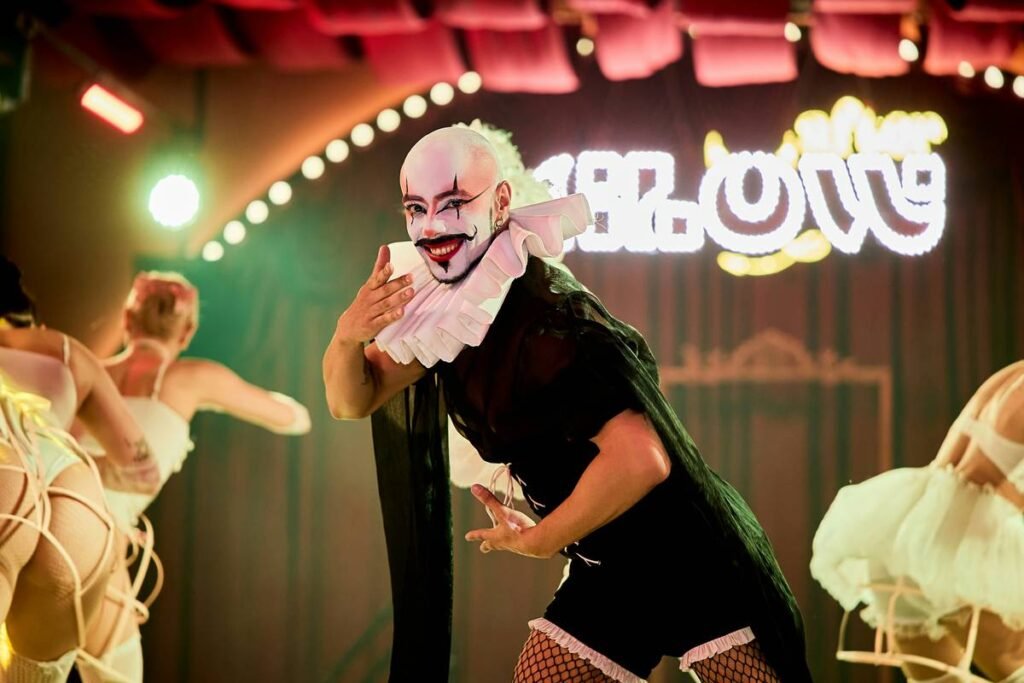
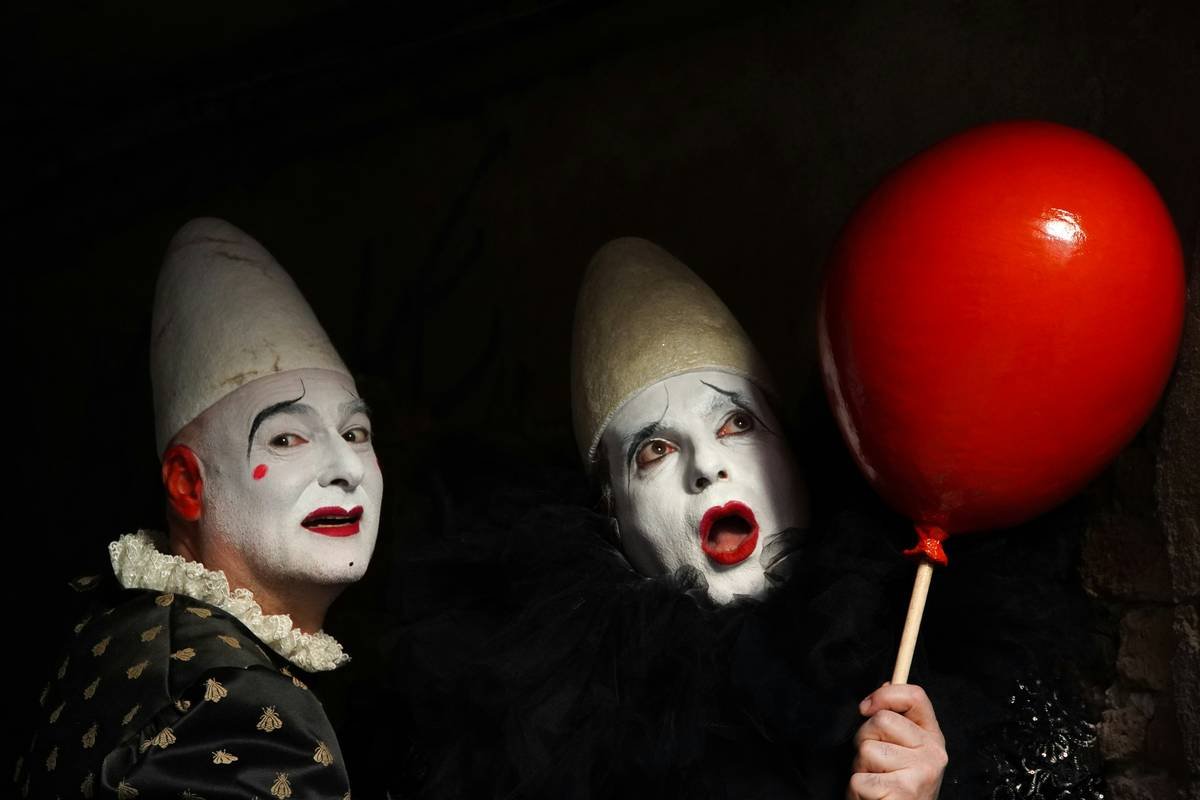
Let’s get real: slapping on green face paint doesn’t make you the Wicked Witch—it makes you look like you lost a bet. Artistic performance makeup lives at the intersection of visual art, prosthetics, color theory, and human anatomy. Unlike editorial or bridal makeup, it must survive hours under hot lights, exaggerated expressions, and physical exertion—all while communicating narrative intent.
According to the Society of Makeup Artists (SMA), over 78% of amateur performers cite “makeup meltdown” as their top backstage panic trigger during live shows. Why? Because most tutorials assume static conditions—your bathroom mirror, no wind, zero adrenaline sweat. But stage ≠ studio.

I once designed an aging vampire for a 90-minute immersive theater piece. Day one: perfect hollowed cheeks, subtle veining, cracked lips. Day two? My client entered Act III looking like a dewy cucumber thanks to glycerin-heavy cream foundation that turned slick under body heat. Lesson learned: moisture is the enemy unless you control its source.
Optimist You: “Just use setting spray!”
Grumpy You: “Ugh, fine—but only if it’s Ben Nye Final Seal *and* you baked it with Mehron Paradise AQ powder. Otherwise, don’t bother.”
Step-by-Step Guide to Creating Character Makeup That Lasts
How do you build character makeup that survives a Broadway sprint?
Forget “more product = better effect.” Pros layer strategically. Here’s my battle-tested sequence:
1. Skin Prep: The Invisible Foundation
Cleanse → tone → apply a mattifying primer (I use Smashbox Photo Finish Oil-Free). Skip moisturizers with hyaluronic acid—they’ll pull water to the surface when you heat up. Instead, opt for dimethicone-based barriers.
2. Base Application: Think Architecture, Not Coverage
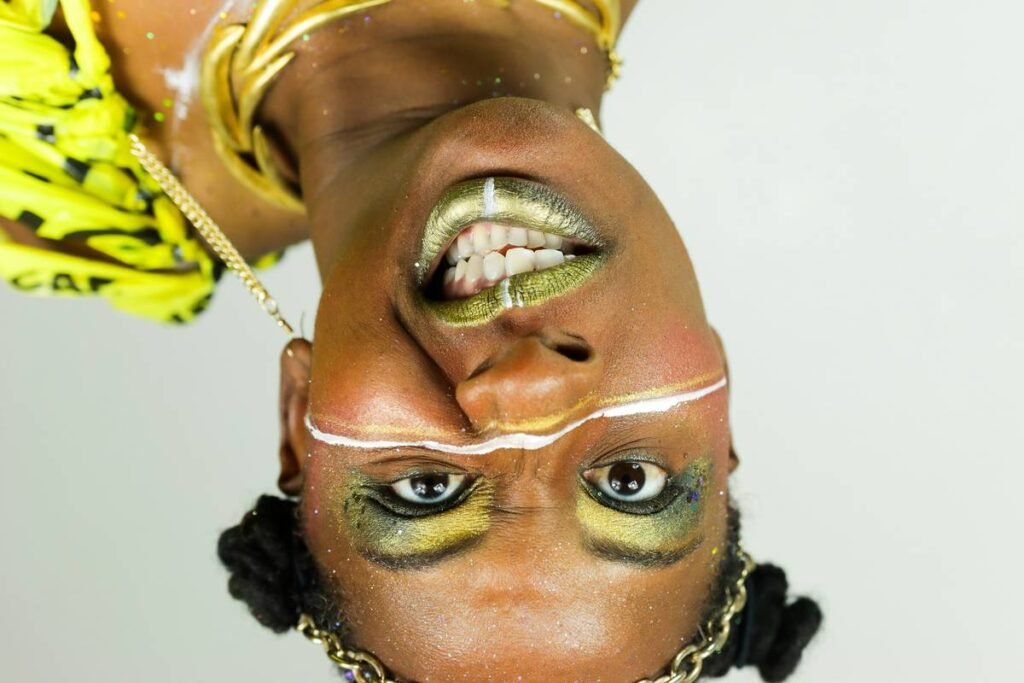
Use alcohol-activated paints (like Skin Illustrator) or silicone-based palettes (Kryolan TV Paint Stick) for full-coverage fantasy work. Apply with stipple sponges, not brushes—this mimics skin texture and prevents streaks. Build opacity in thin layers; thick globs crack with expression.
3. Dimension Through Contour & Highlight
Carve bone structure using cool-brown shadows (not gray—it reads flat under warm lights). Reference anatomical diagrams: zygomatic arches, mandible lines, orbital rims. For scars or scales, use liquid latex or gelatin appliances pre-coloured to blend seamlessly.
4. Set Like Your Career Depends On It (It Does)
Lightly dust translucent powder, then lock with 2–3 misted layers of alcohol-based sealer (Final Seal or Blue Marble Setting Spray). Let each layer dry completely—rushing causes tackiness and transfer.
5. Final Integrity Check
Have the performer mimic their most extreme expression (scream, grimace, wide-eyed gasp). If anything pulls, cracks, or shifts—rebuild that zone with flexible adhesive (Pros-Aide) underneath.
Pro Tips & Best Practices from the Trenches
What do seasoned makeup artists never compromise on?
- Lighting tests are non-negotiable. What looks nuanced under LED bathroom bulbs may vanish under tungsten. Always do a full run-through under actual performance lighting.
- Pigment over product. A $6 Mehron Paradise palette often outperforms $50 “luxury” compacts for saturation and blendability in theatrical contexts.
- Hydration balance: Keep skin *barrier*-hydrated (ceramides), not *surface*-hydrated (glycerin). Dehydration causes flaking; excess moisture causes sliding.
- Adhesive strategy: Use medical-grade adhesives (Telesis 5 or Beta Bond) for prosthetics—not spirit gum, which fails above 85°F.
- Removal protocol: Never scrub. Use isopropyl myristate-based removers (Makeup Remover by Cinema Secrets) to dissolve silicone without stripping skin.
Terrible Tip Alert
“Just use hairspray to set your makeup!” NO. Hairspray contains polymers that clog pores, irritate eyes, and create a brittle film that cracks instantly with facial movement. This isn’t folklore—it’s dermal science. (Source: FDA Cosmetic Ingredient Review Panel, 2021).
Rant Section: My Pet Peeve
When influencers call full-face fantasy “Halloween makeup” and skip skin prep entirely. Artistic performance makeup is a craft honed over years—not a TikTok trend. Respect the discipline. Also, stop using red lipstick as fake blood. Real blood oxidizes; yours should too (try Mehron’s Coagulated Blood gel).
Real-World Case Studies: When Makeup Made the Role
Case Study 1: “The Golem” – Immersive Theater, NYC (2023)
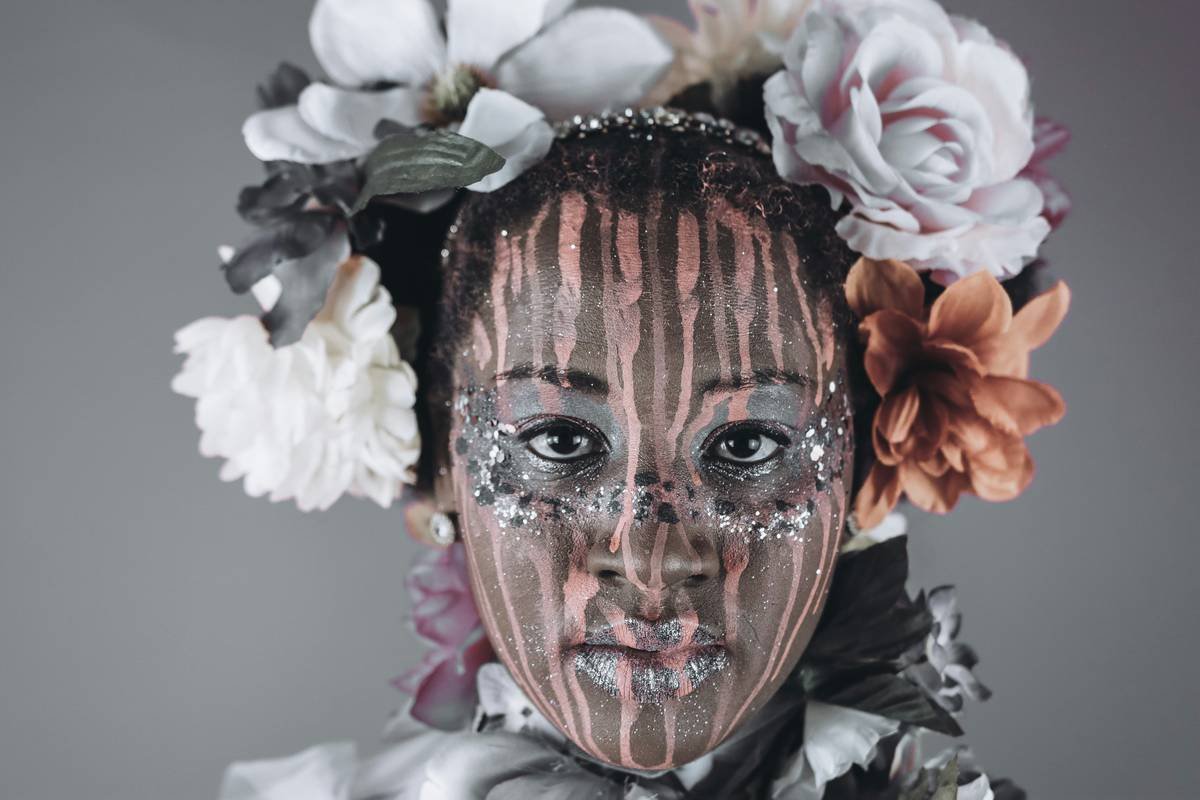
Challenge: Create a 7-foot clay creature that sweats minimally but endures 4-hour interactive cycles. Solution: Used Kryolan Aquacolor cakes layered over Pros-Aide thinned with alcohol for flexibility. Sealed with Ben Nye Liquid Latex *only* on non-moving zones (forehead, jawline). Result: Zero touch-ups over 12 performances.
Case Study 2: Student Film – “Chrono Widow” (Film School, UCLA)
Budget: $0. Hack: Mixed cornstarch + cocoa powder + jojoba oil to create aging paste for sunken cheeks. Applied under blue-toned foundation to simulate vascular decay. Held up under 12-hour shoot days with minimal refresh.
FAQs About Artistic Performance Makeup
Is artistic performance makeup the same as SFX makeup?
Not exactly. SFX (special effects) focuses on injuries, wounds, and prosthetics. Artistic performance makeup includes SFX but also encompasses stylized characters (elves, aliens, mythical beings) where emotional expression must remain readable.
Can I use regular makeup for character roles?
Technically yes—but it won’t last. Drugstore foundations oxidize, crease, and fade under stage lights within 30 minutes. Invest in professional-grade, pigment-dense products formulated for durability.
How do I remove heavy makeup without damaging skin?
Never use soap or micellar water alone. Start with an oil-based remover (like Cinema Secrets), then follow with a gentle foaming cleanser. Always moisturize with ceramide-rich creams post-removal.
Do I need formal training?
Not required, but highly recommended. Institutions like Cinema Makeup School or online programs from SMF Academy teach anatomy, color theory, and material compatibility—critical for believable transformations.
Conclusion
Artistic performance makeup isn’t about covering flaws—it’s about revealing truths hidden beneath the surface. Whether you’re crafting a dystopian rebel or a spectral ancestor, your work must endure physically and resonate emotionally. Remember: prep > product, lighting > Instagram filters, and integrity > trends.
Now go forth. Blend fearlessly. Seal relentlessly. And for the love of all things pigmented—stop using Vaseline as highlighter under stage lights. (It reflects like a disco ball. Trust me.)
Like a Tamagotchi, your character’s believability needs daily care—and the occasional emergency reset button.
Haiku:
Latex dries too fast,
Stage lights burn the edges raw—
But the crowd believes.