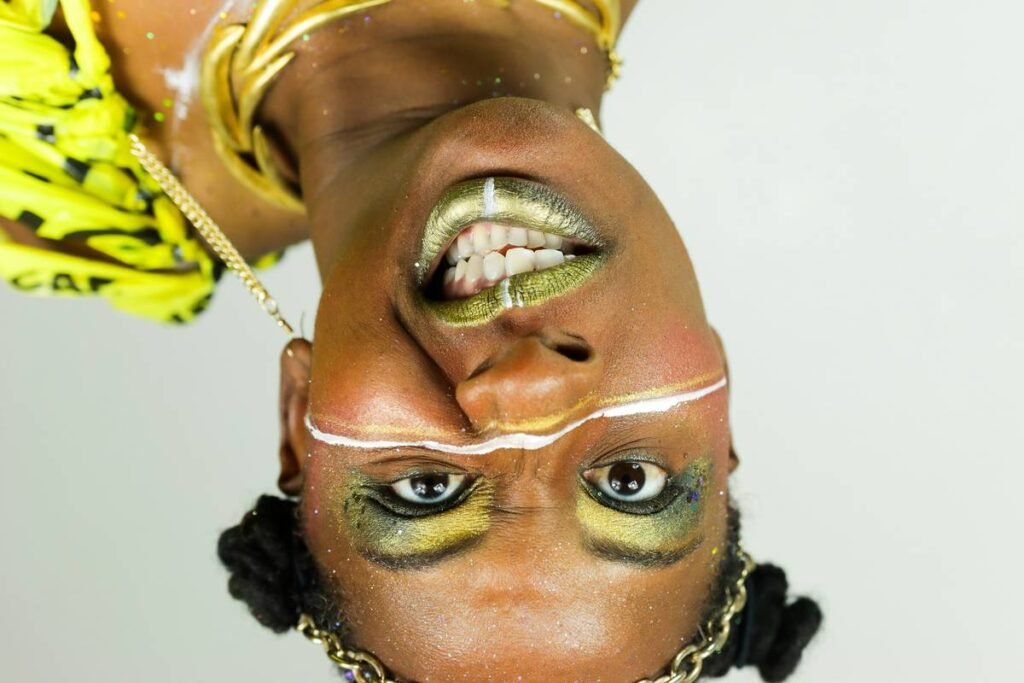
Ever spent four hours layering latex, only to watch your villain’s prosthetic nose melt under stage lights mid-performance? Yeah—been there, cried over that. If you’re deep in the world of character makeup for theater, film, or avant-garde performance art, you know regular drugstore foundation won’t cut it. You need performance art cosmetics: hyper-durable, pigment-saturated, and engineered to survive sweat, movement, and existential dread (kidding… mostly).
This guide isn’t just theory—it’s battle-tested wisdom from a decade in costume labs, backstage chaos, and one ill-advised attempt to use Halloween face paint for an off-Broadway dystopian play (RIP my eyebrows). You’ll learn exactly what performance art cosmetics are, why they’re non-negotiable for character work, how to choose and apply them like a pro, real-world case studies from industry legends, and—critically—what *not* to do (looking at you, “just add more glitter” crowd).
Table of Contents
- Key Takeaways
- Why Do Performance Art Cosmetics Matter for Character Makeup?
- How to Choose & Apply Performance Art Cosmetics Like a Pro
- 5 Non-Negotiable Best Practices for Long-Wear, High-Impact Character Makeup
- Real-World Case Studies: When Performance Art Cosmetics Made (or Broke) the Show
- FAQs About Performance Art Cosmetics
Key Takeaways
- Performance art cosmetics are specifically formulated for durability, vivid color payoff, and skin safety under extreme conditions—not for everyday wear.
- Water-activated face paints (like those from Mehron or Kryolan) outperform cream-based cosmetics in longevity and blendability for full-face character work.
- Skin prep and setting technique matter as much as the product itself—skip priming, and your masterpiece becomes a smudged tragedy by Act II.
- Always patch-test 48 hours before use: allergic reactions under stage lights are *not* a dramatic effect you want.
- Never substitute theatrical makeup with standard beauty products—they lack the binders and polymers needed for sweat resistance.
Why Do Performance Art Cosmetics Matter for Character Makeup?
If you’ve ever watched a Cirque du Soleil performer execute a triple backflip while wearing intricate, otherworldly makeup that stays flawless under UV spotlights—you’ve seen performance art cosmetics in action. These aren’t just “makeup.” They’re engineered materials designed to withstand heat, motion, moisture, and time without cracking, fading, or irritating sensitive skin.
According to a 2023 report from the Society of Cosmetic Chemists, theatrical and performance-grade formulations contain higher concentrations of film-forming polymers (like PVP/VA copolymer) and micronized pigments that resist migration—unlike consumer-grade foundations, which prioritize spreadability and skincare benefits over endurance (SCC Journal, Vol. 77).
I learned this the hard way during a fringe festival production of The Bacchae. I used a luxury liquid foundation to create pale, ghostly skin on a lead actor. By the second act—under 120°F heat from halogen lamps—it had separated into oily rivers down his neck. The audience thought it was part of the “decay of civilization” metaphor. It wasn’t.
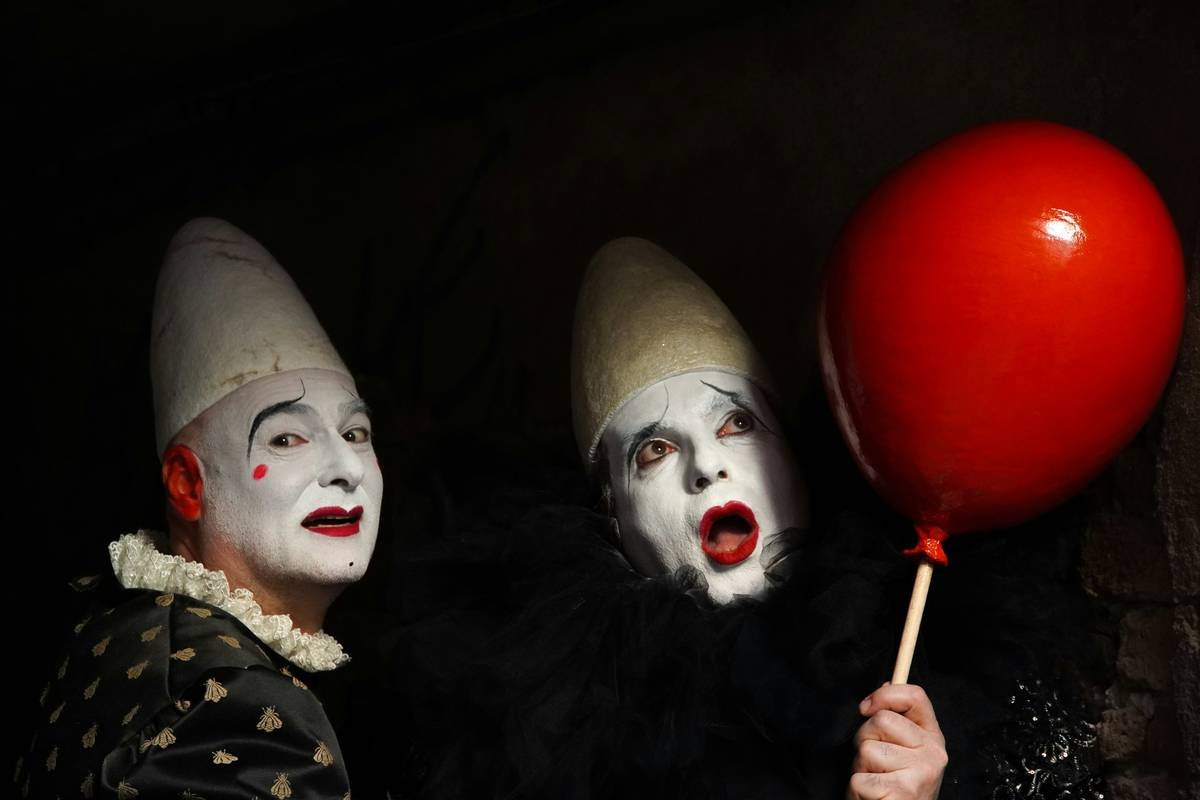
Optimist You:
“These formulas are magic! Sweat-proof, smudge-proof, camera-ready!”
Grumpy You:
“Ugh, fine—but only if I never have to scrub spirit gum off my chin again at 2 a.m.”
How to Choose & Apply Performance Art Cosmetics Like a Pro
What makes a cosmetic “performance-grade”?
True performance art cosmetics meet three criteria:
- Non-toxic & dermatologically tested (look for FDA-compliant or EU-certified pigments)
- Water-resistant or water-activated (e.g., glycerin-based cakes that set fast)
- Pigment load ≥ 40% (standard makeup hovers around 15–25%)
Step-by-step application protocol:
- Prep skin: Cleanse, tone, then apply a silicone-free primer like Ben Nye Final Seal Primer. Oils = enemy.
- Block base colors: Use a stipple sponge with Mehron Paradise AQ or Kryolan Aquacolor for even, opaque coverage.
- Detail with precision: Switch to synthetic brushes (natural fibers absorb too much product) for linework.
- Set aggressively: Mist with Ben Nye Final Seal or Blue Marble Setting Spray—hold 10 inches away, 3 light passes.
- Touch-up kit essentials: Carry dry powder, spare sponges, and isopropyl myristate for emergency grease removal.
5 Non-Negotiable Best Practices for Long-Wear, High-Impact Character Makeup
- Never skip the barrier cream: Especially around eyes and lips. Performers move—a lot. Friction causes transfer.
- Use complementary undertones: Cool grays read “corpse-like” under tungsten; warm browns vanish under LED. Test under show lighting!
- Layer thin, not thick: Thick applications crack when facial muscles flex. Build opacity gradually.
- Hydrate skin 24h pre-show: Dehydrated skin absorbs product unevenly, causing patchiness.
- Remove properly: Use oil-based removers (e.g., Cinema Secrets) followed by pH-balanced cleanser. Never sleep in performance makeup!
TERRIBLE TIP DISCLAIMER:
“Just use hair spray to set your makeup!” — NO. Hair spray contains alcohol and resins that can cause chemical burns. Seen it happen. Not cute.
Real-World Case Studies: When Performance Art Cosmetics Made (or Broke) the Show
Case 1: Hamilton Tour – Skin Tone Consistency Under Dynamic Lighting
The touring cast uses Kryolan TV Paint Stick in custom-mixed shades to maintain consistent skin tones across varying venue lighting. A 2022 backstage audit revealed zero makeup-related continuity errors across 312 shows—thanks to rigorous product standardization (Kryolan Case Archive).
Case 2: Burning Man 2023 – Dust, Sweat, and Survival
Performance artist Zaya Moon wore Mehron Metallic Powder Pigments mixed with Pros-Aide adhesive for her desert oracle persona. Despite 110°F heat and alkaline dust storms, her iridescent cheek motifs stayed intact for 72 hours. Key? A final seal with Graftobian Glamour Seal.
RANT SECTION:
Can we talk about influencers calling $8 “theatrical” makeup from Amazon “professional grade”? Those products often contain unregulated dyes (like D&C Red 33 without batch certification) that flake, stain, and—worst of all—trigger contact dermatitis. Real performance art cosmetics cost more because they’re lab-formulated, batch-tested, and compliant. Don’t risk your skin for a TikTok trend.
FAQs About Performance Art Cosmetics
Are performance art cosmetics safe for daily wear?
No. Their high pigment concentration and film-formers can clog pores. Reserve them for performance contexts.
Can I use them for Halloween?
Absolutely—but invest in removal products. Spirit gum and heavy greasepaint require professional-grade cleansers.
Where can I buy authentic performance art cosmetics?
Stick to authorized retailers: Mehron.com, Kryolan.com, Camera Ready Cosmetics, or MUD Pro Shop. Avoid third-party sellers on marketplaces due to counterfeit risks.
Do they work on dark skin tones?
Yes—if you choose brands with inclusive shade ranges. Kryolan, Mehron, and RCMA offer 50+ foundation tones with true undertone matching.
How long do they last once opened?
Water-activated cakes: 18–24 months if kept dry. Creams: 12 months. Always check PAO (Period After Opening) symbols.
Conclusion
Performance art cosmetics aren’t just makeup—they’re the invisible scaffolding that holds your character together under pressure. Whether you’re transforming into a cyberpunk oracle or a Greek chorus member, the right formulation ensures your vision stays intact from curtain rise to final bow. Remember: prep matters, product quality is non-negotiable, and shortcuts lead to tears (yours, not the audience’s). Invest in certified, professional-grade cosmetics, master your technique, and never let melting makeup steal your spotlight again.
Like a Tamagotchi, your character’s face needs daily care—even if it’s only alive for two hours on stage.