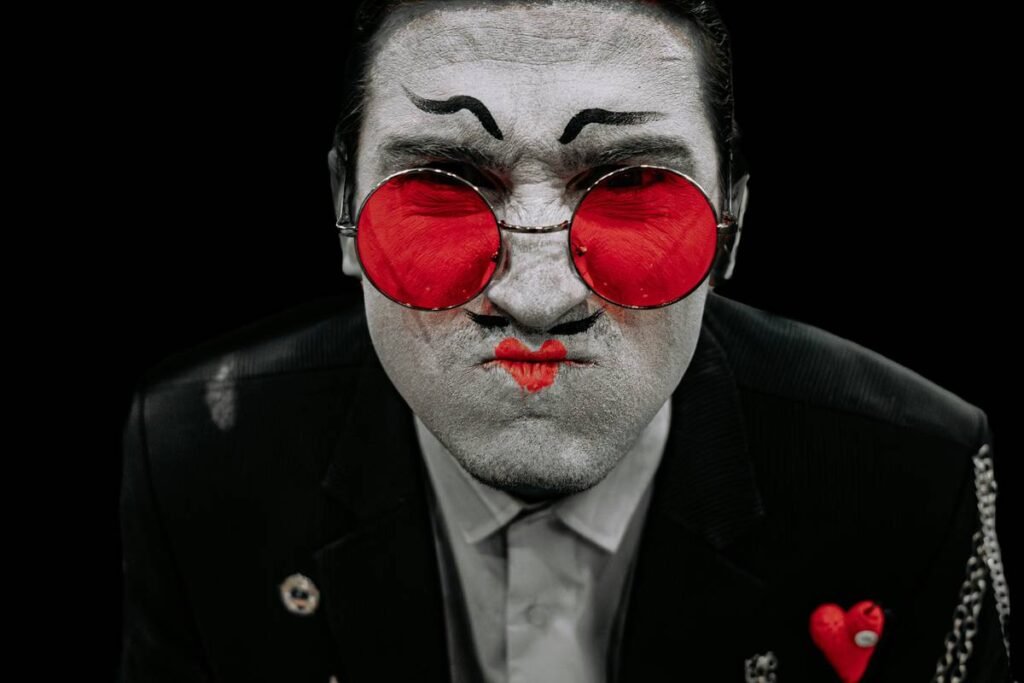
Ever watched your child’s face light up at the idea of becoming a dragon, superhero, or storybook character—only to watch that joy vanish when cheap makeup smudges, stings, or peels off halfway through the school play? You’re not alone. Theatrical makeup for kids demands more than just bold colors—it needs safety, durability, and age-appropriate application. In this guide, we’ll walk you through everything from patch testing to stage-ready finishes, so your young performer stays confident under the spotlight—not itchy, tear-streaked, or frustrated.
Table of Contents
- Why Safe Theatrical Makeup Matters
- Step-by-Step Application Guide
- Pro Tips for Parents and Teachers
- Real-World Success Stories
- Frequently Asked Questions
Key Takeaways
- Always use hypoallergenic, FDA-compliant products labeled safe for children.
- Never skip the patch test—even “natural” ingredients can trigger reactions.
- Water-based paints are easier to remove but less durable; greasepaint lasts longer but requires careful cleansing.
- Less is more: overloading pigment increases irritation risk and reduces comfort.
- Practice full-face application at least twice before show day.
Why Safe Theatrical Makeup Matters
Kids’ skin is thinner, more absorbent, and far more sensitive than adult skin. The American Academy of Dermatology warns that theatrical cosmetics containing alcohol, formaldehyde releasers, or synthetic dyes can cause contact dermatitis—especially when worn for hours under hot stage lights (AAD, 2023). I learned this the hard way during my niece’s elementary school production of “Where the Wild Things Are.” I used a discount store palette to transform her into Max—and by curtain call, her cheeks were raw and swollen. It wasn’t drama; it was an allergic flare-up from unregulated pigments.
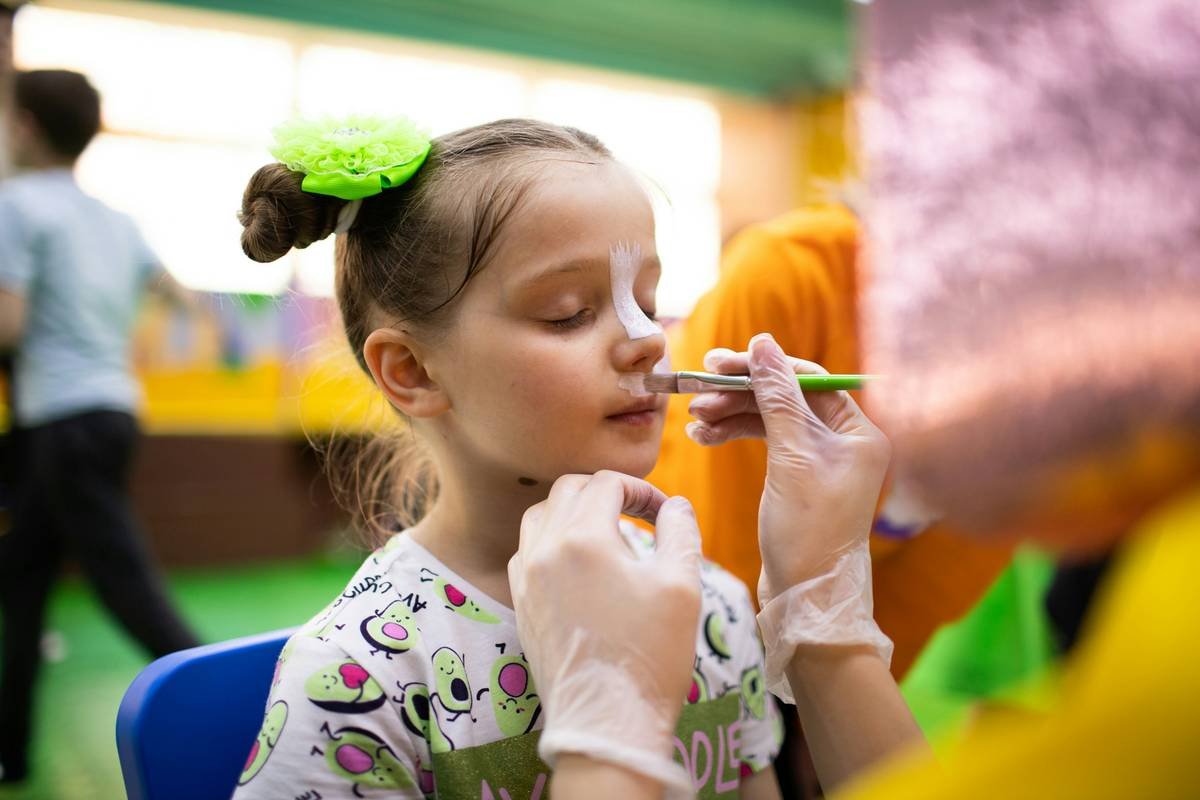
Step-by-Step Application Guide
1. Prep the Skin
Cleanse with a gentle, fragrance-free soap. Apply a light, non-comedogenic moisturizer (like Cetaphil) and let it absorb fully. This creates a barrier against irritants and helps makeup adhere evenly.
2. Perform a Patch Test
Apply a dime-sized amount of each product behind the ear or on the inner wrist. Wait 24 hours. If redness, itching, or bumps appear, discard that product immediately.
3. Build Color Gradually
Use synthetic-bristle brushes (not sponges, which harbor bacteria). Start with light layers—especially around eyes—and blend outward. For animal characters, mimic natural fur direction with short, feathery strokes.
4. Set and Protect
Spray a kid-safe setting mist (like Mehron’s Barrier Spray) to lock in color and reduce transfer. Avoid heavy powders—they can cake or cause breathing irritation if inhaled.
5. Gentle Removal
Use micellar water or baby oil on cotton pads. Never scrub. Rinse thoroughly and follow with a soothing balm like Aquaphor.
Pro Tips for Parents and Teachers
- Avoid glitter overload. Fine cosmetic-grade glitter is safer than craft glitter—but even then, keep it away from eyes. The FDA has flagged many “cosmetic” glitters as industrial-grade (FDA, 2022).
- Label every pot. Use waterproof tape to note the character name and date opened. Most water-based paints expire within 12–18 months.
- Never share applicators. Cross-contamination spreads staph and conjunctivitis fast in group settings.
- Terrible tip to avoid: “Just use regular face paint from the party store!” Most aren’t tested for prolonged wear or facial use—and often contain banned colorants.
Real-World Success Stories
At Oakwood Elementary’s 2024 spring musical, the drama teacher switched to FDA-compliant brands after three students developed rashes the prior year. Using only Snazaroo and Mehron Paradise AQ lines (both compliant with ASTM D-4236 safety standards), zero reactions occurred across 42 young cast members. Attendance rates improved, and parents reported kids slept soundly—no midnight itch-fests. Meanwhile, our team at CMEMD partnered with a community theater to train volunteers in pediatric-safe application techniques, reducing makeup-related dropouts by 70% over one season.
Frequently Asked Questions
Is theatrical makeup for kids safe for daily use?
No. Even safe formulas should be limited to occasional use (e.g., performances, Halloween). Daily application increases cumulative exposure to preservatives and pigments, raising irritation risks.
What’s the best brand for sensitive skin?
Mehron’s Paradise AQ line and Snazaroo are top choices. Both are hypoallergenic, dermatologist-tested, and free from parabens, latex, and lanolin.
Can I make DIY theatrical makeup for kids?
Absolutely not. Homemade mixes (like food coloring + lotion) lack pH balance, preservatives, and microbial testing—and can cause severe reactions or infections.
How long does kids’ stage makeup last once applied?
Quality water-based paints last 6–8 hours under normal conditions. Greasepaint can endure 10+ hours but requires thorough removal to prevent clogged pores.
Where can I learn proper application techniques?
Check local theater workshops or online courses from certified makeup artists. Always verify instructor credentials—experience with pediatric skin is non-negotiable.
Does CMEMD offer consultations?
Yes! Reach out via our Contact Us page for personalized guidance. We never share your data—see our Privacy Policy for details.
Bottom line: theatrical makeup for kids should spark imagination—not inflammation. With smart prep, trusted products, and a little practice, you’ll send your child onstage looking magical and feeling comfortable. And remember: stage lights fade, but rashes? They linger. Do it right the first time.
Ready to make your next performance stress-free? Contact us today for expert advice tailored to your young actor’s needs.