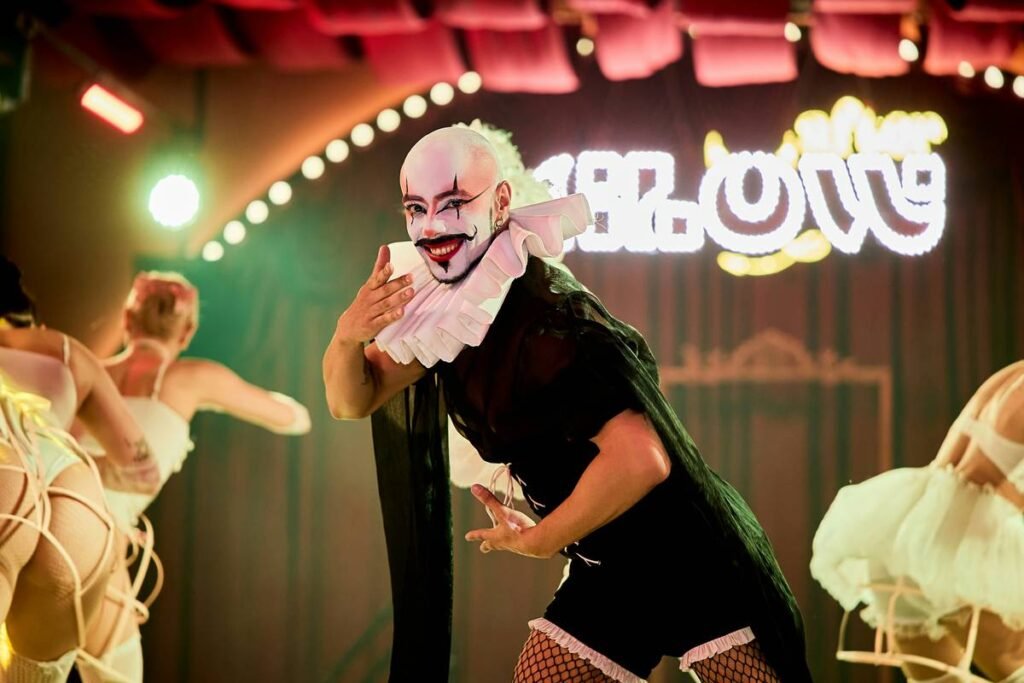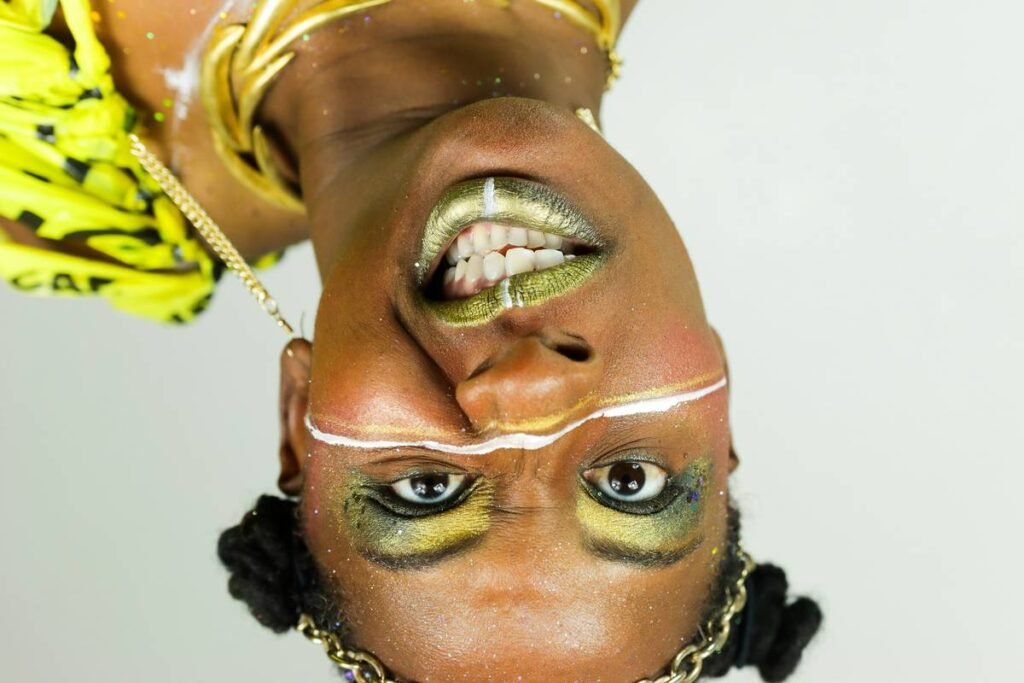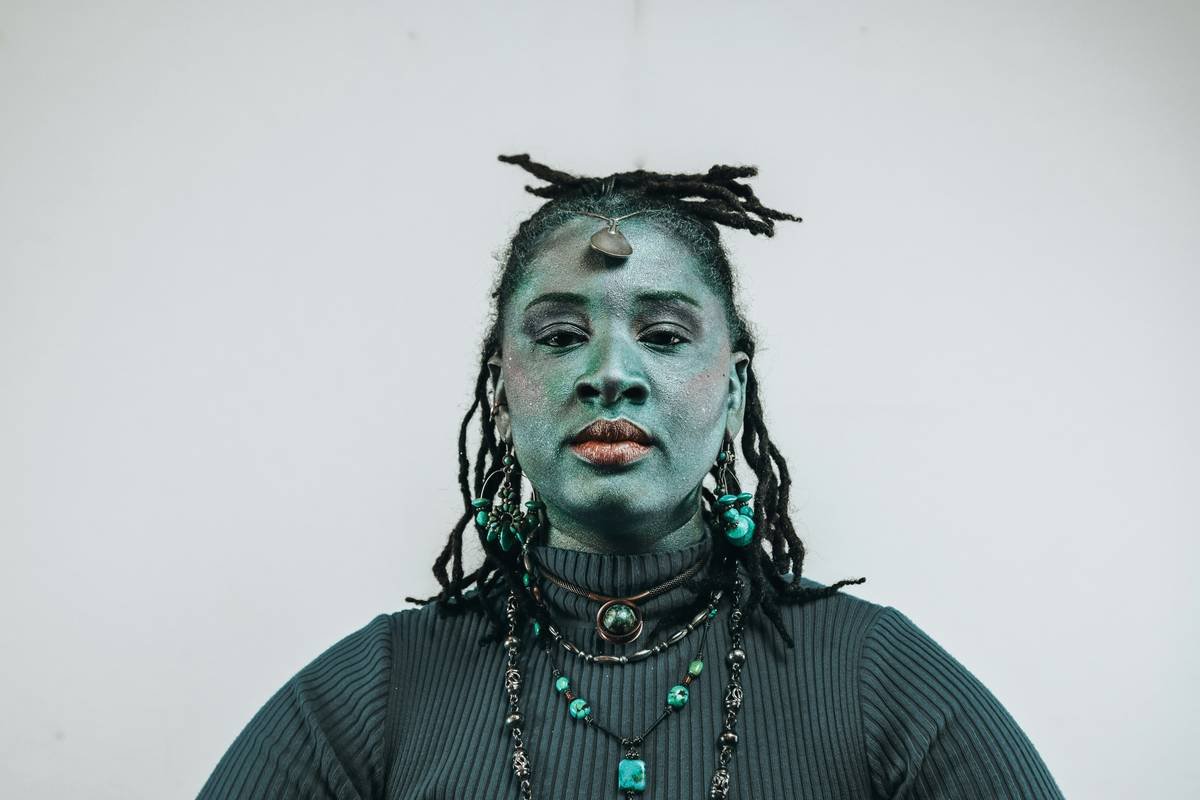
Most performers slap on bold colors and call it “dramatic performance art makeup.” The result? Flat, forgettable faces that vanish under stage lights. Here’s the problem: conventional approaches treat skin like a canvas—not a living, breathing extension of character. And when your makeup doesn’t move, sweat, or emote with you, the illusion shatters. But what if your makeup could become the character’s second skin?
Why Standard Character Makeup Fails Under Pressure
Commercial kits promise transformation. They deliver costume—not credibility. Stage lighting eats cheap pigments for breakfast. Sweat turns water-based formulas into muddy streaks. Worse, most artists over-paint, obscuring facial micro-expressions that sell the performance.
And here’s the brutal truth: audiences don’t remember red cheeks or blue eyebrows. They remember eyes that haunt them long after the curtain falls. If your makeup doesn’t serve emotional storytelling, it’s just decoration.
The Step-by-Step Guide to Authentic Dramatic Performance Art Makeup
Layering for Dimension — Not Just Color
Forget flat base coats. Build topography. Use matte translucent powders to dull highlights where bone structure should recede—temples, jawline, outer orbits. Then carve forward planes with subtle cream contour, not pigment bombs. Think architecture, not coloring book.
Texture Mapping Over Pigment Dumping
Roughened skin reads as aged or tormented. Smooth = divine or detached. Press crumpled tissue into wet foundation for cracked-earth texture. Dab stipple sponges with two-toned creams for organic variation. Real skin isn’t uniform—and neither should your character’s be.
Eye Work That Breathes With the Actor
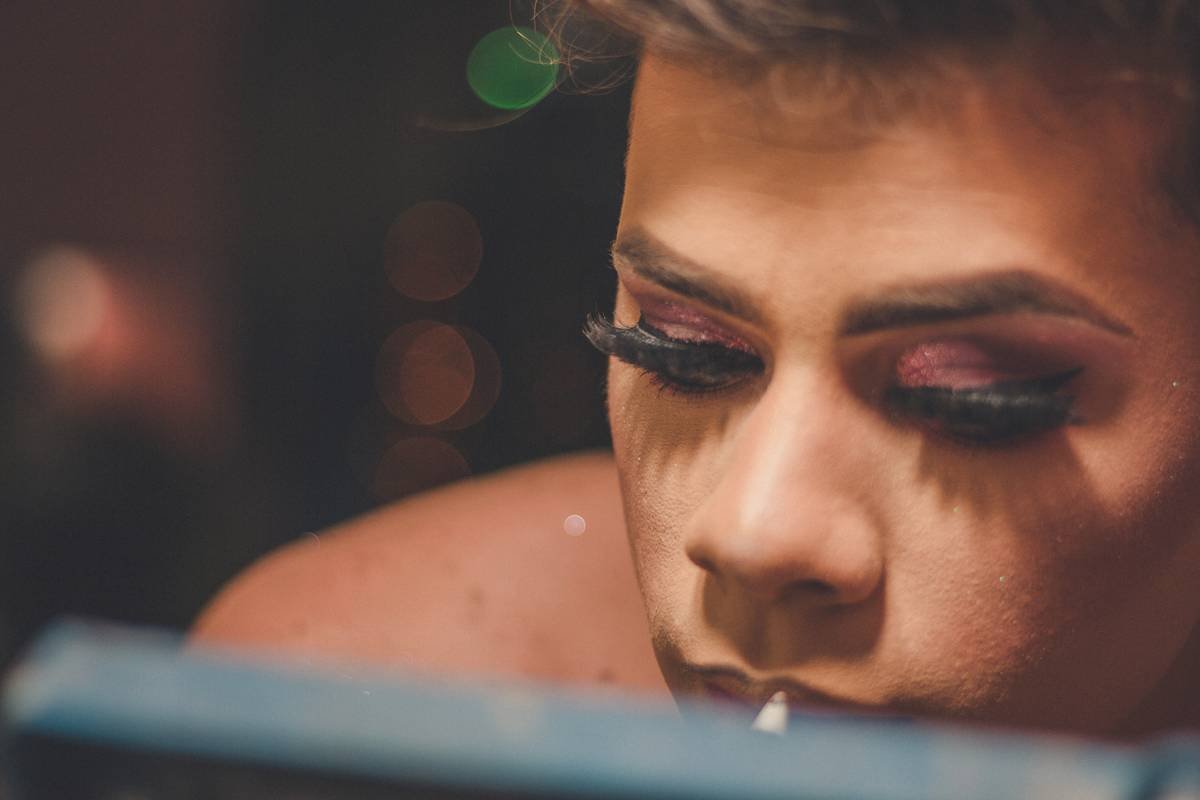
Lining the entire lid kills expressiveness. Instead, anchor intensity at the outer V and lower waterline. Leave the inner third bare. Allows tears, squints, and vulnerability to register clearly—even from the back row.
| Technique | Cost Range (USD) | Longevity Under Stage Lights | Expressiveness Score (1–10) |
|---|---|---|---|
| Water-Based Face Paints | $5–$20 | Poor (smudges in <30 min) | 3 |
| Alcohol-Activated Palettes | $25–$60 | Excellent (8+ hours) | 7 |
| Hybrid Cream-Powder Layering | $15–$45 | Very Good (5–7 hours) | 9 |
| Latex/Scarring Prosthetics | $30–$100+ | Moderate (requires sealing) | 5 (limits movement) |
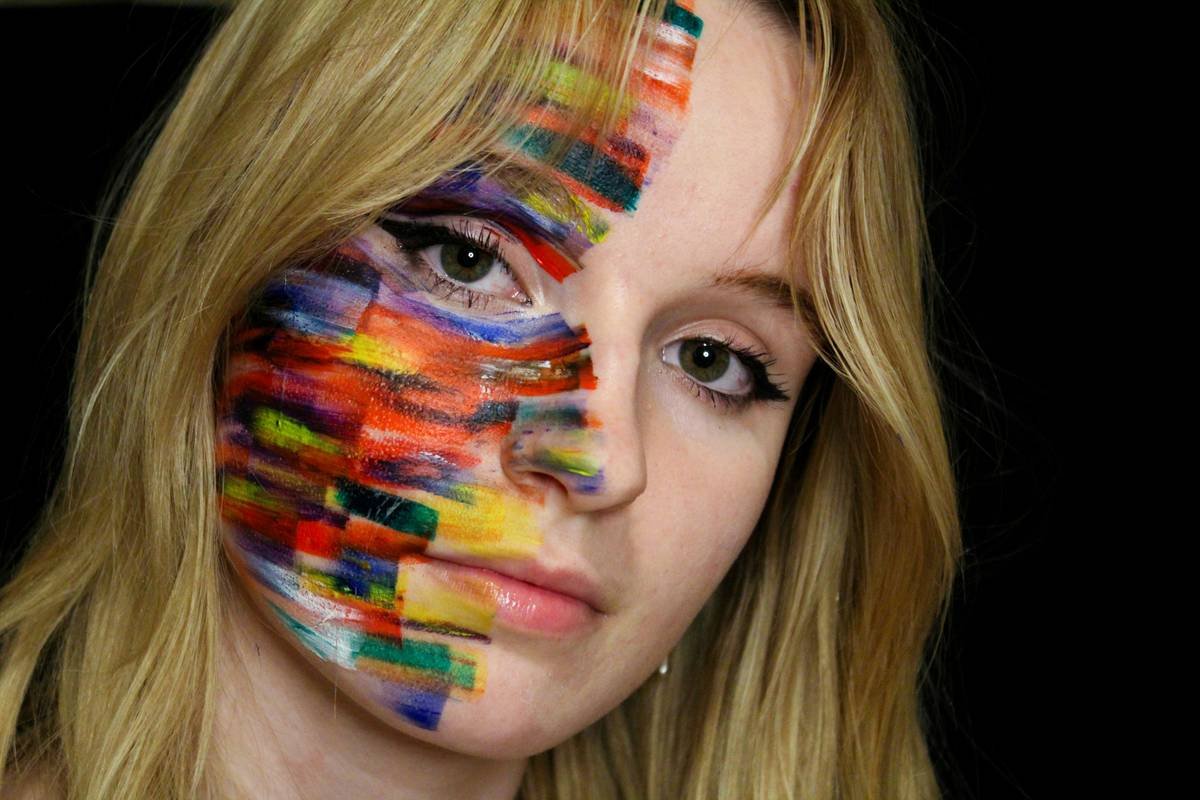
The Industry Secret: Sweat Is Your Co-Artist
Veteran stage makeup artists don’t fight perspiration—they choreograph with it. Strategic placement of glycerin-based highlights along natural sweat paths (brow ridge, upper lip, neck) creates “living” sheen that amplifies emotional moments. A tear? Pre-load a tiny reservoir of saline-mixed pigment in the inner canthus—it activates only when the actor blinks hard. No gimmicks. Pure bio-synergy.
Think about it: real distress glistens in specific zones. Mimic that, and your character stops looking “made up”—and starts feeling tragically, beautifully human.
Frequently Asked Questions
What’s the difference between theatrical and dramatic performance art makeup?
Theatrical makeup prioritizes visibility; dramatic performance art makeup prioritizes psychological realism—even at the cost of boldness.
Can I use regular foundation for character work?
Only if you seal it properly. Unsealed liquid foundation oxidizes and separates under hot lights. Opt for cream bases designed for stage endurance.
How do I prevent makeup from cracking during long performances?
Avoid thick layers. Use flexible setting sprays with PVP polymer. Rehearse in full makeup to identify stress points—then thin those areas pre-show.