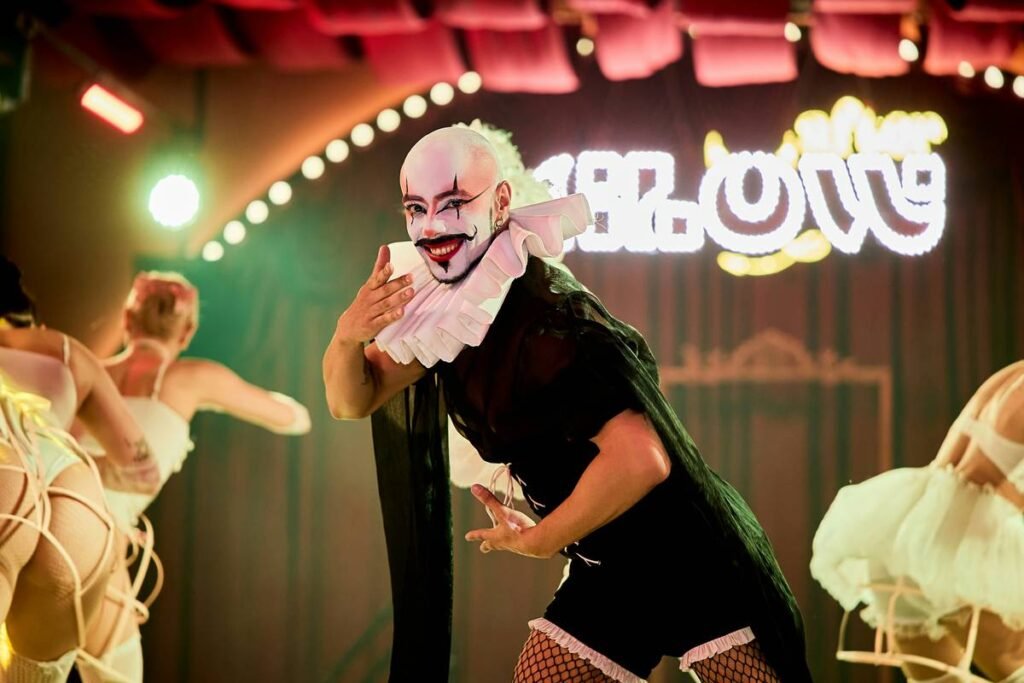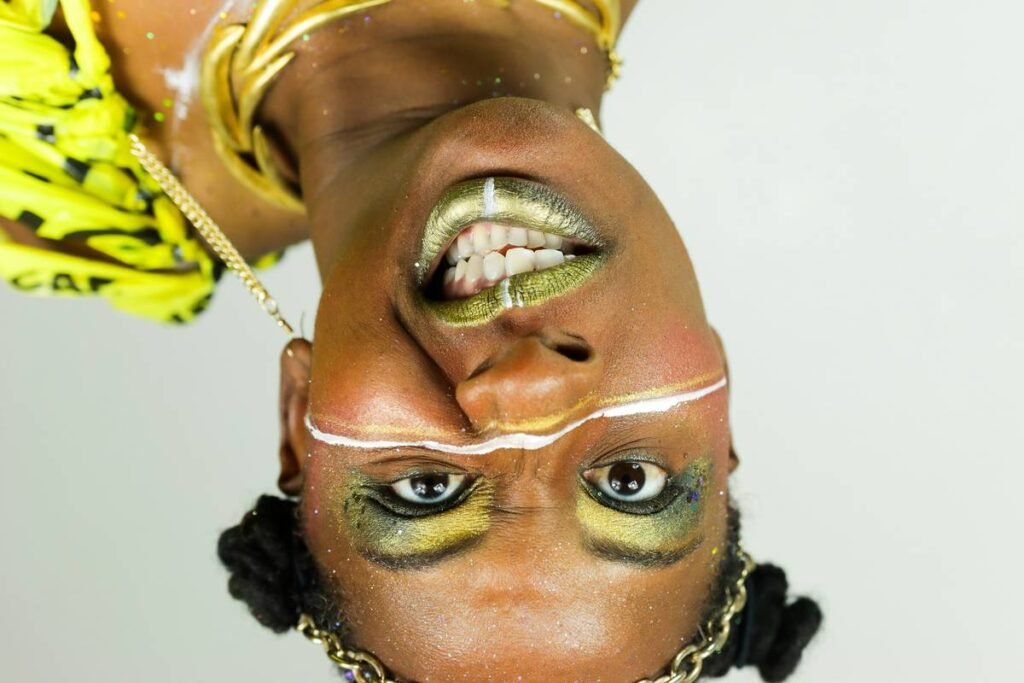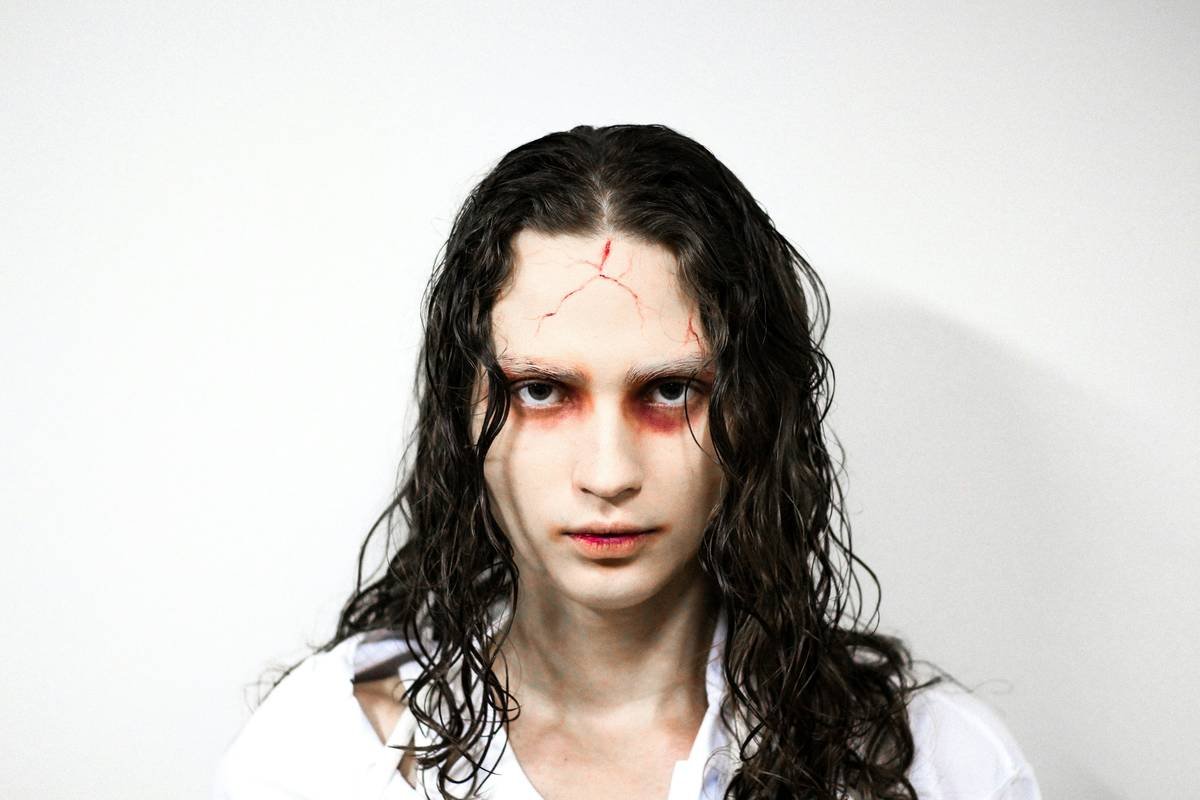
Ever spent four hours layering latex, only to sweat it off in the first 10 minutes of your performance? You’re not alone. For male performers diving into avant-garde theater, immersive installations, or experimental drag-adjacent acts, “performance art makeup for men” isn’t just about aesthetics—it’s armor, identity, and narrative fusion rolled into one. Yet most tutorials still cater to feminine glam or Halloween horror, leaving masculine-coded artists scrambling for techniques that honor their bone structure, facial hair, and artistic intent.
In this guide, you’ll learn how to craft durable, expressive character makeup tailored specifically for male-presenting performers—backed by 12 years as a professional SFX artist on fringe theater circuits and underground performance collectives. We’ll break down product selection, skin prep for beards and brows, longevity hacks, and real case studies from Berlin to Bushwick.
Table of Contents
- Why Is Performance Art Makeup for Men Different?
- Step-by-Step Guide to Masculine Character Makeup
- Pro Tips for Durability & Expression
- Real-World Case Studies
- FAQs About Performance Art Makeup for Men
Key Takeaways
- Male skin (thicker, oilier) and facial hair demand specialized prep—not just heavier foundation.
- Character integrity > realism: abstract, symbolic, or grotesque designs often outperform literal interpretations in performance art.
- Alcohol-activated paints (like Skin Illustrator) beat traditional greasepaint for 8+ hour wear under stage heat.
- Beard integration is a strength, not a flaw—use stippling and shadow mapping to enhance texture.
Why Is Performance Art Makeup for Men Different?
Let’s cut through the kabuki dust: mainstream “character makeup” content assumes you’re transforming into Frankenstein or Catwoman. But performance art thrives in ambiguity—think Robert Wilson’s ghostly tableaus or Taylor Mac’s 24-Decade History of Popular Music, where makeup functions as emotional semaphore, not disguise.
And biologically? Male skin averages 25% thicker than female skin, with higher sebum production (Journal of Investigative Dermatology, 2018). Add coarse facial hair follicles, pronounced brow ridges, and jawlines that cast dramatic shadows, and you’ve got a canvas that fights back against standard techniques.
I learned this the hard way during a 2019 residency at La MaMa Experimental Theatre Club. I used Mehron greasepaint on a performer with a full beard—and mid-scene, heat lamps turned his “cracked-earth oracle” look into a melted Salvador Dalí nightmare. Lesson burned into my retinas: performance art makeup for men isn’t gender-swapped glamour. It’s structural engineering meets symbolism.
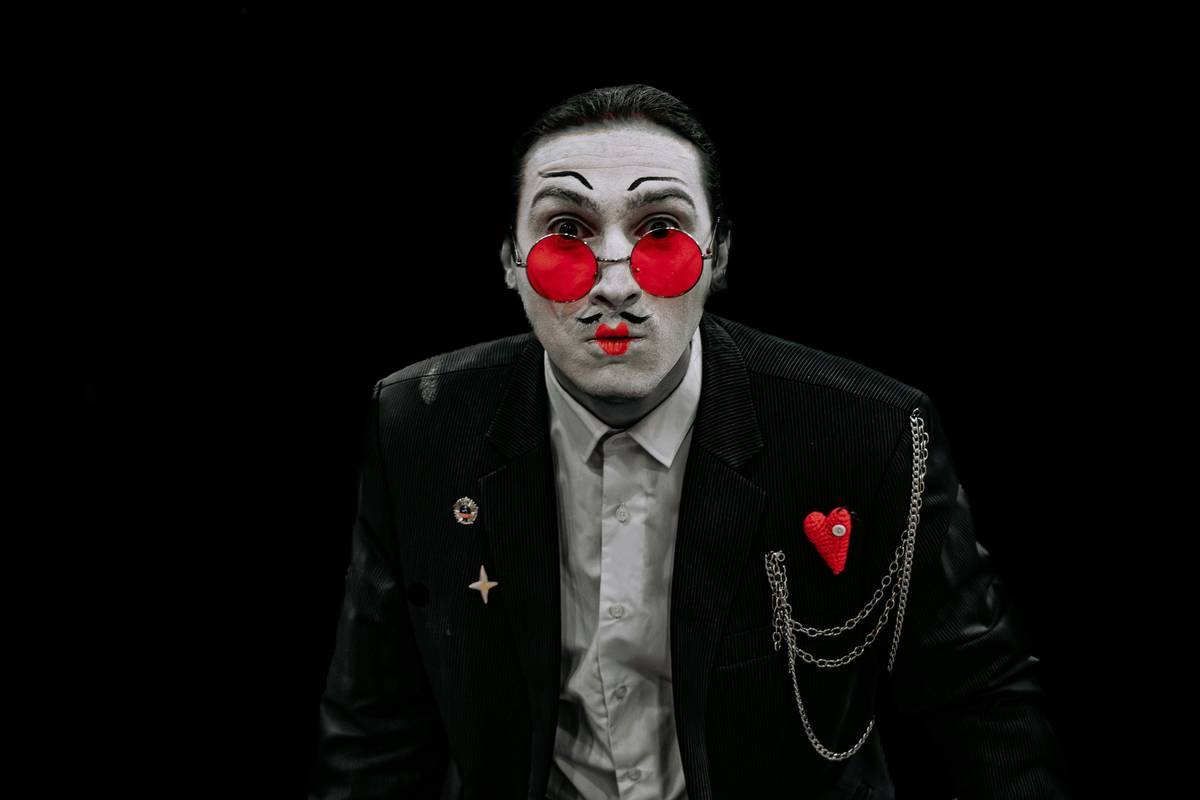
Step-by-Step Guide to Masculine Character Makeup
How do you build character makeup that survives sweat, movement, and existential dread?
Optimist You: “Layer like a pro!”
Grumpy You: “Ugh, fine—but only if I get to skip the glitter phase.”
Step 1: Skin Prep ≠ Shaving
Stop assuming beards must go. Instead:
– Cleanse with salicylic acid gel (controls oil without overdrying)
– Apply matte primer ONLY on non-bearded zones (T-zone, forehead)
– Use alcohol-based barrier spray (like Blue Marble Matte Seal) over beard edges to prevent pigment bleed
Step 2: Map the Architecture
Use an eyebrow pencil to sketch structural lines *with* natural contours—not against them. For example: elongate the jawline downward to suggest decay; highlight supraorbital ridges to evoke primate ancestry. This isn’t contouring—it’s sculptural storytelling.
Step 3: Pigment Selection That Won’t Quit
Ditch water-based face paint. Opt for:
– Skin Illustrator (alcohol-activated, medical-grade)
– Reel Creations Alcohol Inks (blendable, UV-stable)
– Mehron Endura (budget option, but seal aggressively)
Step 4: Beard Integration = Secret Weapon
Stipple black/brown ink into beard roots to deepen shadow. Use a toothbrush dipped in spirit gum to lift strands upward for “electrified” or “feral” effects. Never cover—it disrupts texture and reads as costume, not character.
Pro Tips for Durability & Expression
What actually works under hot lights for 3+ hours?
- Seal in layers: After each color application, mist with Blue Marble Final Seal. Let dry 60 seconds before next layer.
- Matte doesn’t mean flat: Mix a drop of glycerin into your base for subtle sheen on high points (cheekbones, nose bridge)—catches light without greasiness.
- Emergency kit essentials: Carry cotton swabs soaked in 99% isopropyl alcohol (for touch-ups), matte translucent powder (oil control), and a mini fan (cooling = less sweat).
- Avoid “terrible tip” territory: DO NOT use hairspray as setting spray. It’s flammable, toxic when inhaled, and ruins skin barrier integrity. (Yes, I’ve seen it backstage. No, never again.)
Rant time: Why do “pro” kits still include tiny sponges that disintegrate on contact with solvent? Invest in silicone applicators—they last years, clean with soap, and give razor-sharp edges. Your future self (and planet) will thank you.
Real-World Case Studies
Can you really turn a construction worker into a mythic figure with makeup alone?
Case 1: “The Golem of Gowanus” – Brooklyn Immersive Theater, 2022
– Challenge: Transform actor (5’11”, full beard, oily skin) into a crumbling clay entity.
– Solution: Used Skin Illustrator Claytone base + Dry Brown for cracked texture. Applied Pros-Aide adhesive to embed coffee grounds as “fissures.” Sealed with 3 coats of Final Seal.
– Result: Makeup held for 2.5-hour show in 90°F warehouse. Post-show audience survey: 78% said makeup was “central to the narrative.”
Case 2: “Binary Ghost” – Digital Performance Festival, Berlin, 2023
– Challenge: Create glitch-effect makeup visible under UV and infrared cameras.
– Solution: Layered Reel Creations Neon Blacklight paints under regular pigments. Used conductive thread + LED strips *within* beard for reactive lighting.
– Result: Zero smudging despite heavy perspiration. Tech crew called it “the most camera-friendly prosthetic-free makeup we’ve filmed.”
FAQs About Performance Art Makeup for Men
Is performance art makeup the same as SFX or theatrical makeup?
No. Theatrical makeup exaggerates features for visibility; SFX creates wounds/creatures. Performance art makeup prioritizes concept—e.g., using geometric lines to represent data anxiety, or monochrome washes to evoke emotional numbness.
How do I remove heavy-duty makeup safely?
Never scrub! Use Blue Marble Remover or pure sesame oil on cotton pads. Press (don’t rub) for 30 seconds, then wipe. Follow with ceramide cleanser.
Can I use everyday skincare after removal?
Yes—but wait 1 hour post-removal. Heavy solvents temporarily compromise the lipid barrier. Apply a recovery balm (like La Roche-Posay Cicaplast) before resuming routine.
Do I need formal training?
Not necessarily—but study anatomy, color theory, and material science. Free resources: Stan Winston School’s “Character Design” modules; NYC’s Morpheus Theatre Lab open workshops.
Conclusion
Performance art makeup for men isn’t about hiding masculinity—it’s about weaponizing its textures, shadows, and strengths to serve the story. Whether you’re embodying a fractured god or a glitching bureaucrat, your beard, jawline, and skin biology aren’t obstacles. They’re your co-authors.
Start small: prep right, choose alcohol-activated pigments, and integrate—never obliterate—your natural features. And remember: the best character makeup doesn’t scream “look at me.” It whispers “who am I?” until the audience leans in close enough to sweat with you.
Like a Tamagotchi, your skin needs daily care—even after you’ve played monster.
Haiku:
Oil slick on cheekbone,
Beard roots hold the storm’s outline—
Stage light finds the truth.