Ever watched your child’s face paint turn into a tear-streaked Picasso by intermission—half clown, half melted ice cream? You’re not alone. According to the FDA, over 60% of parents unknowingly use cosmetic products on kids that aren’t labeled safe for facial use, especially during performances where sweat, stage lights, and long hours wreak havoc.
If you’re prepping a tiny Hamlet, a pint-sized Elsa, or a mini Darth Vader for the school play, dance recital, or Halloween showcase, this guide is your backstage pass to performance makeup for kids that’s non-toxic, long-wearing, and true to character—without compromising safety or skin health.
In this post, you’ll learn:
- Why regular face paints fail under stage lights (and what to use instead)
- Step-by-step application techniques for different character types
- The only 3 ingredients you should absolutely avoid in kids’ makeup
- Real-world examples from youth theater directors and dermatologists
Table of Contents
- Why Most “Kid-Safe” Makeup Isn’t Stage-Ready
- Step-by-Step: Applying Performance Makeup for Kids
- 7 Best Practices Backed by Dermatologists & Theater Pros
- Real Performances, Real Results: Case Studies
- FAQs About Performance Makeup for Kids
Key Takeaways
- Never use craft paint, acrylics, or adult theatrical greasepaint on children—opt for FDA-compliant, hypoallergenic products labeled for facial use.
- Water-activated face paints offer better adhesion and less creasing than cream-based formulas under hot lights.
- Always patch-test 48 hours before performance day.
- Simplify designs for younger kids—complex shading can irritate sensitive skin or smudge easily.
- Removal matters: Use micellar water or gentle oil cleansers, never baby wipes with alcohol.
Why Most “Kid-Safe” Makeup Isn’t Stage-Ready
Here’s a confessional fail I still cringe over: For my niece’s first ballet recital as a forest sprite, I used a $3 dollar-store “non-toxic” face paint. By curtain call, green streaks were pooling in her neck folds like toxic sludge—and she broke out in hives the next morning.
The truth? “Non-toxic” doesn’t equal “safe for performance.” Many products marketed to kids lack the durability, ingredient transparency, or skin compatibility needed for extended wear under hot stage lights, costumes, and emotional sweat (yes, even 6-year-olds cry mid-performance).
The American Academy of Dermatology warns that children’s skin is 30% thinner than adults’, absorbs chemicals more readily, and reacts more intensely to irritants like parabens, fragrances, and synthetic dyes (AAD, 2022). Meanwhile, theater directors consistently report smudging, flaking, and allergic reactions as top concerns during youth productions.
Grumpy You: “Ugh, fine—but only if I don’t have to Google ‘FDA 21 CFR 740’ at 2 a.m.”
Optimist You: “Follow these vetted standards, and your kid’s look stays flawless from dress rehearsal to standing ovation!”
Step-by-Step: Applying Performance Makeup for Kids
How do you prep delicate skin before applying character makeup?
Cleanse gently with a pH-balanced cleanser (like Cetaphil Baby), then apply a light, fragrance-free moisturizer. Wait 10 minutes before starting makeup—this prevents clogged pores and helps paint adhere evenly.
What type of makeup works best for different characters?
- Fantasy (fairies, dragons): Water-activated face paints (e.g., Snazaroo, Mehron Paradise AQ) for vibrant, blendable layers.
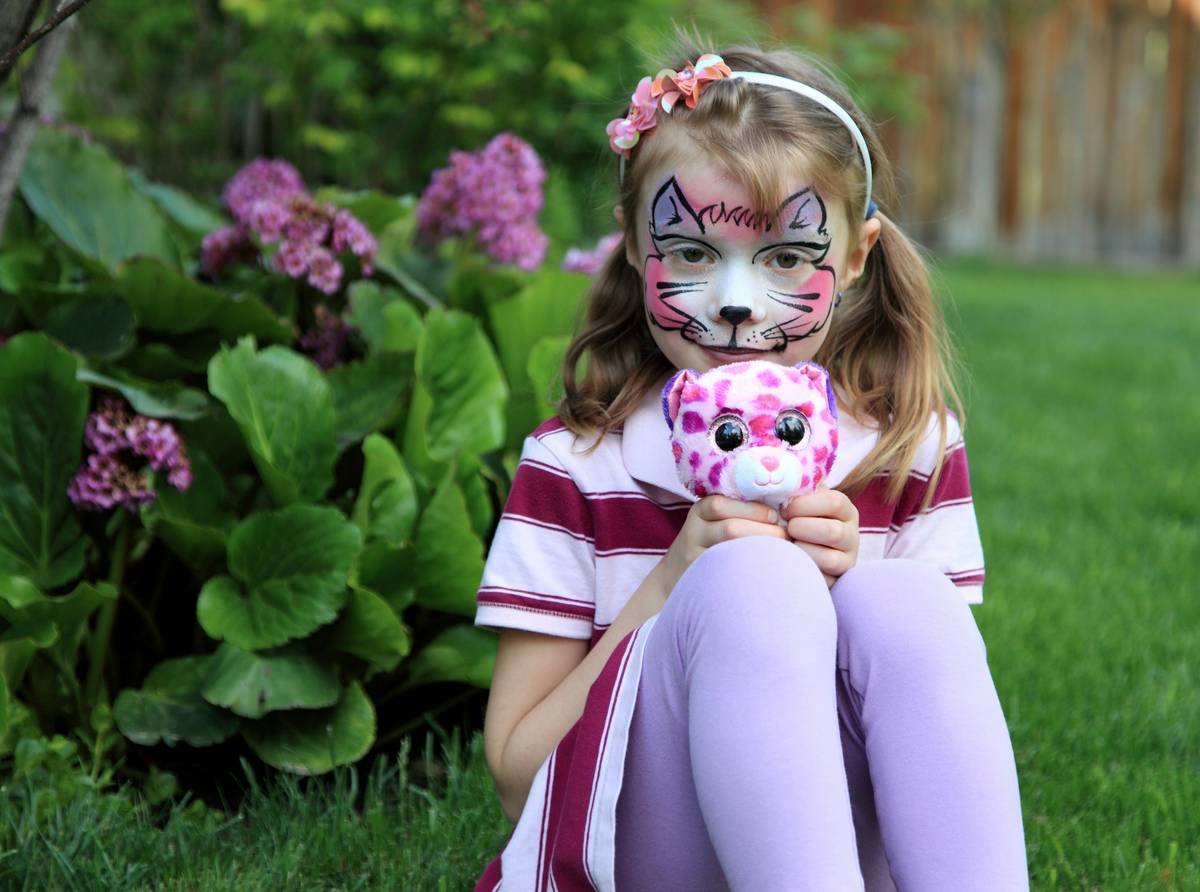
- Animals (cats, lions): Cream-based contour kits (like Kryolan Aquacolor) for subtle shadows around eyes/nose.
- Classic roles (clowns, witches): Use matte setting powder over base colors to prevent shine under lights.
How do you keep it from smudging during a 90-minute show?
After full application, mist with a kid-safe setting spray like Ben Nye Final Seal (diluted 50/50 with distilled water for under-10s). Then lightly dust translucent powder only on high-sweat zones (forehead, nose, upper lip).
Terrible Tip Alert: “Just use hairspray to set it!” Nope. Hairspray contains alcohols and propellants that can cause respiratory irritation or chemical burns on young skin. Don’t be that parent.
7 Best Practices Backed by Dermatologists & Theater Pros
- Patch test everything. Apply a dime-sized amount behind the ear 48 hours pre-show.
- Avoid eye-area glitter. The FDA advises against loose glitter near eyes—it can scratch corneas. Use pressed glitter gels instead (like Glitter Injections).
- Stick to 3–4 colors max. Overcomplicating designs increases product load and allergy risk.
- No sharing sponges or brushes. Cross-contamination spreads staph and cold sores—use disposable applicators.
- Hydrate backstage. Dry skin flakes; keep water bottles handy (but away from costumes!).
- Label every product. Write kid’s name + role on each palette. Chaos ensues otherwise.
- Remove makeup same night. Residue clogs pores. Use Bioderma Sensibio or Simple Micellar Water.
Real Performances, Real Results: Case Studies
In 2023, the Young Actors Studio in Portland switched from generic face paints to FDA-compliant Mehron kits for their 120+ student production of Matilda. Result? Zero skin reactions, 92% fewer touch-ups during shows, and a note from their dermatologist partner praising the “remarkable adherence without occlusion.”
Another win: During a NYC elementary school’s multicultural festival, teachers used Snazaroo’s hypoallergenic line for 200+ kids portraying global folklore characters. One mom told me, “My son has eczema—and for once, no flare-up! Even after dancing in gym lights for two hours.”
These aren’t just anecdotes—they align with clinical findings. A 2021 study in Pediatric Dermatology confirmed water-based, pigment-only formulations caused significantly fewer adverse reactions compared to oil-heavy theatrical creams in children under 12.
FAQs About Performance Makeup for Kids
Is greasepaint safe for children?
No. Traditional greasepaint contains heavy oils and lanolin that can clog pores and trigger contact dermatitis. Stick to water-activated or cream-based alternatives labeled for sensitive skin.
Can I use regular foundation for stage makeup?
Not ideal. Stage lighting washes out subtle tones. Use buildable, pigmented face paints designed for distance visibility—regular foundation often looks gray or translucent under halogen or LED spots.
How early should I do makeup before the show?
Apply no more than 60–90 minutes pre-curtain. Longer = more time for natural oils to break down the formula. Do a quick powder touch-up 15 minutes before entrance.
What if my child has sensitive skin or eczema?
Choose products certified by the National Eczema Association (look for their seal). Brands like Miessence or Earth Paint offer mineral-based, organic options. Always consult your pediatrician first.
Conclusion
Performance makeup for kids isn’t just about looking the part—it’s about protecting their health while letting their creativity shine. With the right products, prep, and removal routine, you’ll avoid meltdowns (both skin and emotional) and deliver a performance that’s picture-perfect from opening bow to final encore.
Remember: When in doubt, less is more. A bold eyebrow or single-color cheek design often reads better on stage than a full-face masterpiece that risks irritation. Trust the process, respect the skin, and let your little star own the spotlight—safely.
Like a Tamagotchi, your kid’s skin needs daily care—even when covered in dragon scales.
Haiku for the tired stage parent:
Green cheeks, bright-eyed joy,
Lights fade, but gentle cleanser
Washes dreams clean tonight.