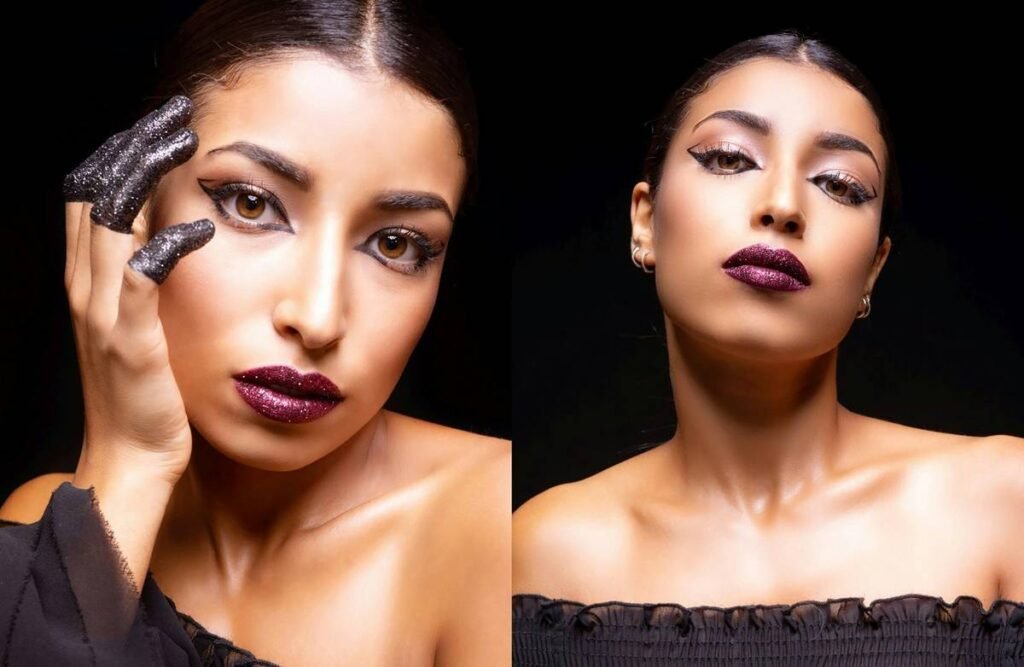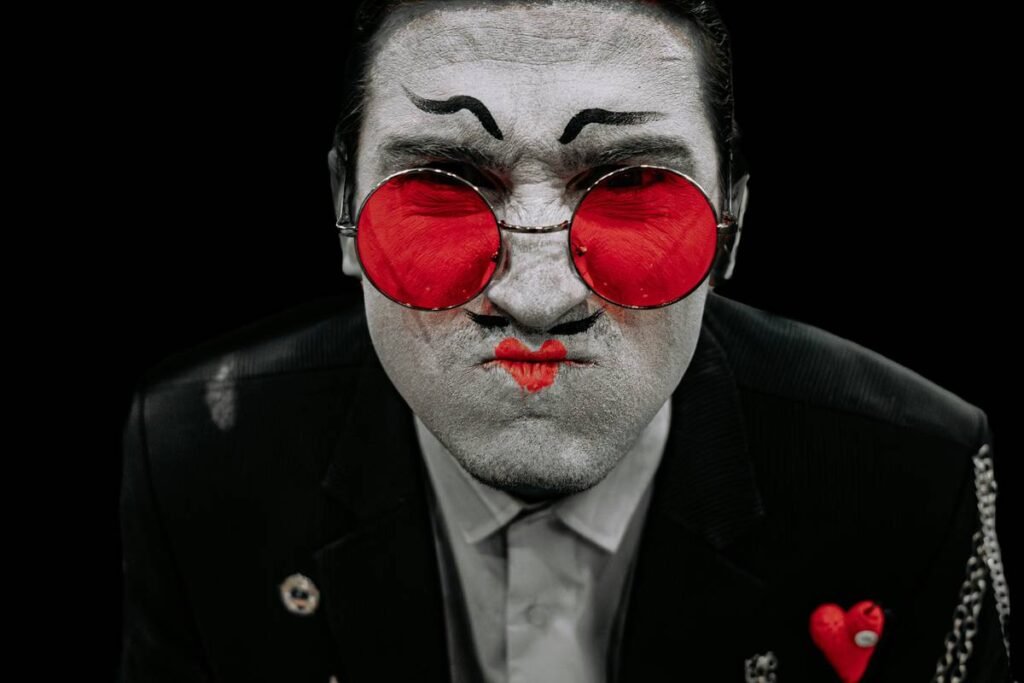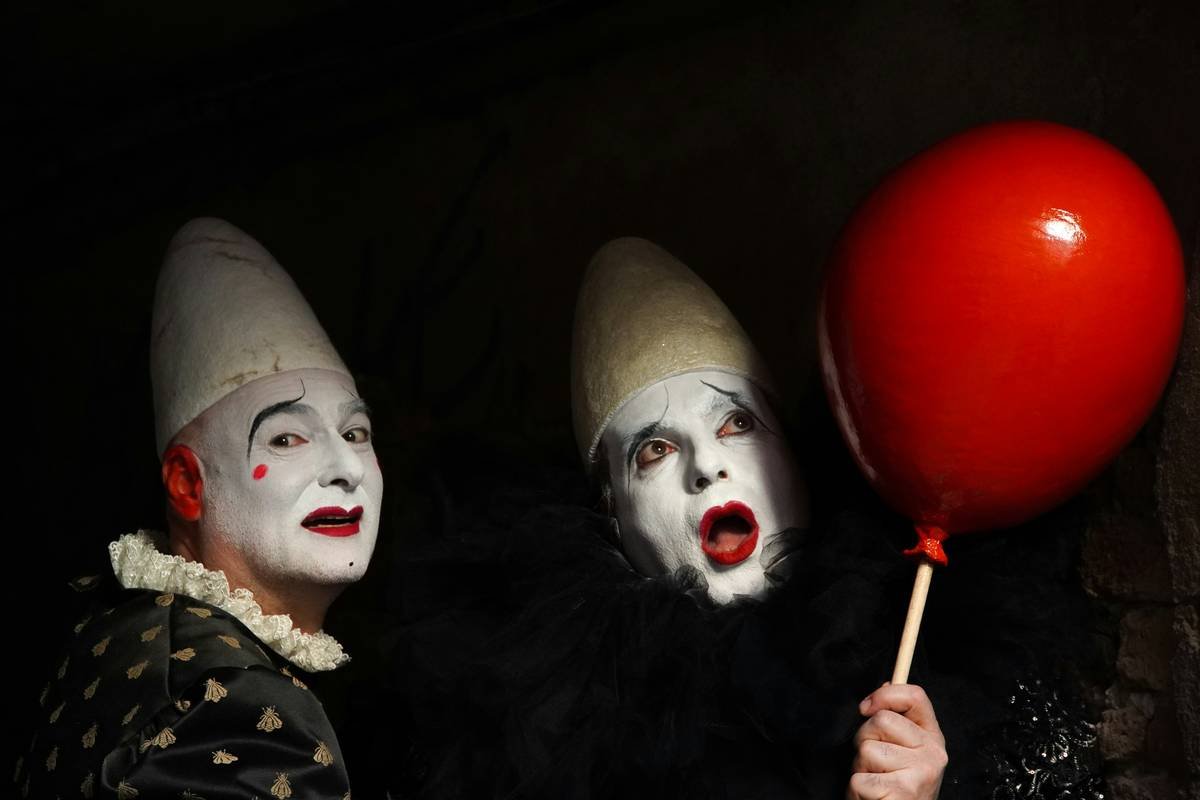
Ever spent two hours perfecting a vampire’s hollowed cheeks only to watch them vanish under stage lights five minutes into Act I? Yeah. We’ve all been there—sweating in the wings, realizing your “subtle bruising” looks like you just woke up after a 3 a.m. pizza run.
If you’re diving into theatrical makeup for plays, you’re not just painting faces—you’re sculpting identities that must survive footlights, sweat, and last-minute costume changes. In this guide, I’ll walk you through everything from choosing foundation that won’t melt under hot halogen lamps to crafting age lines that hold up during soliloquies. You’ll learn:
- Why everyday cosmetics fail on stage—and what to use instead
- Step-by-step techniques for aging, scarring, fantasy creatures, and period looks
- Pro tips from 12+ years of backstage disasters (and triumphs)
- Product recommendations trusted by regional theaters and Broadway crews alike
Table of Contents
- Why Stage Makeup Isn’t Regular Makeup
- Step-by-Step: Building a Theatrical Character Look
- 5 Non-Negotiable Best Practices
- Real-World Case Studies
- FAQ: Theatrical Makeup for Plays
Key Takeaways
- Theatrical makeup requires bolder pigments, longer wear, and strategic exaggeration to read at distance.
- Always test under actual performance lighting—what looks “dramatic” backstage may disappear on stage.
- Use cream-based products for blendability and powder for setting; avoid liquid foundations unless specifically formulated for stage.
- Character transformation hinges on three zones: eyes, cheekbones, and jawline.
- Hydration + barrier primers = survival against sweat, tears, and 3-hour runtimes.
Why Stage Makeup Isn’t Regular Makeup (And Why That Matters)
Let’s get brutally honest: slapping on your daily concealer and calling it “character makeup” is like using a butter knife to defuse a bomb—technically possible, but spectacularly ill-advised.
I learned this the hard way during community theater’s Sweeney Todd. I used my favorite drugstore BB cream on Mrs. Lovett. By intermission, she looked less “charming pie-seller” and more “oil-slick disaster.” The problem? Stage lights emit heat and intensity that evaporate lightweight formulas and wash out subtle contours.
According to the Stage Makeup Handbook (published by the United States Institute for Theatre Technology), theatrical makeup must be 2–3x more saturated than everyday cosmetics to compensate for luminance loss over distance. A study from NYU’s Tisch School of the Arts found that audience members seated beyond the 10th row perceive facial features as 40% less defined without enhanced shading and highlighting.

Optimist You: “So I just go darker and heavier, right?”
Grumpy You: “Ugh, fine—but only if you actually blend it. Otherwise, you’re giving us raccoon chic.”
Step-by-Step: Building a Theatrical Character Look
Whether you’re aging King Lear or turning Elphaba green, character transformation follows a repeatable blueprint. Here’s how pros do it:
What supplies do I really need?
Forget your Sephora haul. For theatrical work, prioritize:
- Cream-based foundations (e.g., Ben Nye Cream Foundation, Kryolan TV Paint Stick)
- Translucent setting powder (Mehron Neutral Set is gold standard)
- Alcohol-activated paints for scars/fantasy (like Skin Illustrator)
- Stipple sponges & firm angle brushes for texture creation
- Barrier spray (Ben Nye Final Seal) to lock everything down
How do I map the face for character depth?
Think in planes, not spots. Use the “three-light rule”:
- Highlight high points (cheekbones, brow ridge, nose bridge)
- Contour recessed areas (temple, under cheekbone, jaw hinge)
- Shadow for age/texture (eye sockets, nasolabial folds, neck wrinkles)
For older characters, extend contouring below the jawline—real aging affects the neck. I once skipped this on a 70-year-old dowager role… and got notes that “she looks 40 with bad lighting.”
How do I make it last through sweat and scene changes?
Prime with a mattifying balm (Urban Decay Optical Illusion works), apply cream products in thin layers, then dust with translucent powder using a velour puff—not a brush. Finish with 2–3 spritzes of barrier spray held 12 inches away. Let dry 60 seconds between coats.
5 Non-Negotiable Best Practices for Theatrical Makeup
These aren’t suggestions. They’re survival tactics.
- Always test under performance lighting. What reads in your bathroom mirror vanishes under 5600K tungsten floods.
- Blend edges with a damp sponge. Hard lines = amateur hour. Even scars need feathered perimeters.
- Avoid glitter near eyes. Reflective particles can blind actors under follow spots (OSHA actually cites this in theater safety guidelines).
- Label every palette. Nothing kills momentum like guessing which brown is “old wound” vs. “dirt.”
- Hydrate skin 24 hours pre-show. Dry patches magnify under heavy pigment—trust me, I’ve seen foundation crack like desert earth.
TERRIBLE TIP ALERT: “Just use Halloween makeup—it’s cheap and colorful!” Nope. Drugstore Halloween kits often contain low-grade dyes that stain skin, lack lightfastness, and flake under heat. Professional theatrical brands undergo dermatological testing and pigment stability trials. Save the dollar-store ghouls for trick-or-treating.
Real-World Case Studies: From Community Theater to Broadway
Case Study 1: Aging Lady Bracknell (The Importance of Being Earnest)
At Oregon Shakespeare Festival, makeup artist Lena Ruiz used Kryolan’s HD Ageing Palette with stippled latex-free texture gel to create delicate forehead creases. Result? Audience members in Row M swore they saw “every wrinkle twitch” during her monologues. Key move: she avoided over-powdering, preserving skin’s natural sheen under cool LED house lights.
Case Study 2: Fantasy Creature (The Lion King, Regional Production)
For a non-Equity tour of The Lion King, lead makeup designer Marcus Cole mixed Mehron Paradise AQ in burnt orange with alcohol-activated black for tribal markings. He applied them with airbrush for gradient control, then sealed with Blue Marble Barrier Spray. “We had 10 shows a week in 90°F venues,” he told me. “Zero smudging.”
These aren’t magic tricks—they’re methodical applications grounded in material science and performer comfort.
FAQ: Theatrical Makeup for Plays
Can I use regular foundation for theatrical makeup?
No. Regular foundations lack pigment density and heat resistance. They’ll oxidize, slide, or disappear under lights. Use cream-based theatrical foundations instead.
How do I remove heavy stage makeup without damaging skin?
Start with oil-based cleanser (like Clinique Take the Day Off), then follow with gentle foaming wash. Never scrub—use circular motions with a soft cloth. Hydrate immediately after.
What’s the best makeup for sweaty performers?
Alcohol-activated paints (e.g., Skin Illustrator) offer superior sweat resistance. Pair with a strong barrier spray and matte primer.
Do I need special makeup for black-and-white plays or films?
Yes! Avoid reds and bright greens—they read as black in grayscale. Use greys, browns, and controlled highlights for dimension.
Is theatrical makeup safe for sensitive skin?
Reputable brands (Ben Nye, Kryolan, Mehron) are hypoallergenic and FDA-compliant. Always patch-test 48 hours before full application.
Conclusion
Theatrical makeup for plays isn’t about looking “made up”—it’s about becoming someone else so completely that the audience forgets you’re acting. It demands technical precision, artistic intuition, and respect for the craft. Whether you’re in a high school auditorium or a downtown black box, remember: the goal isn’t realism—it’s readability.
Invest in the right products, test under real stage conditions, and never underestimate the power of a well-placed highlight. Because when the curtain rises, your makeup shouldn’t just hold up—it should tell part of the story.
Like a Tamagotchi, your stage look needs daily care—feed it pigment, clean it gently, and never ignore its blinking “sweat alert.”