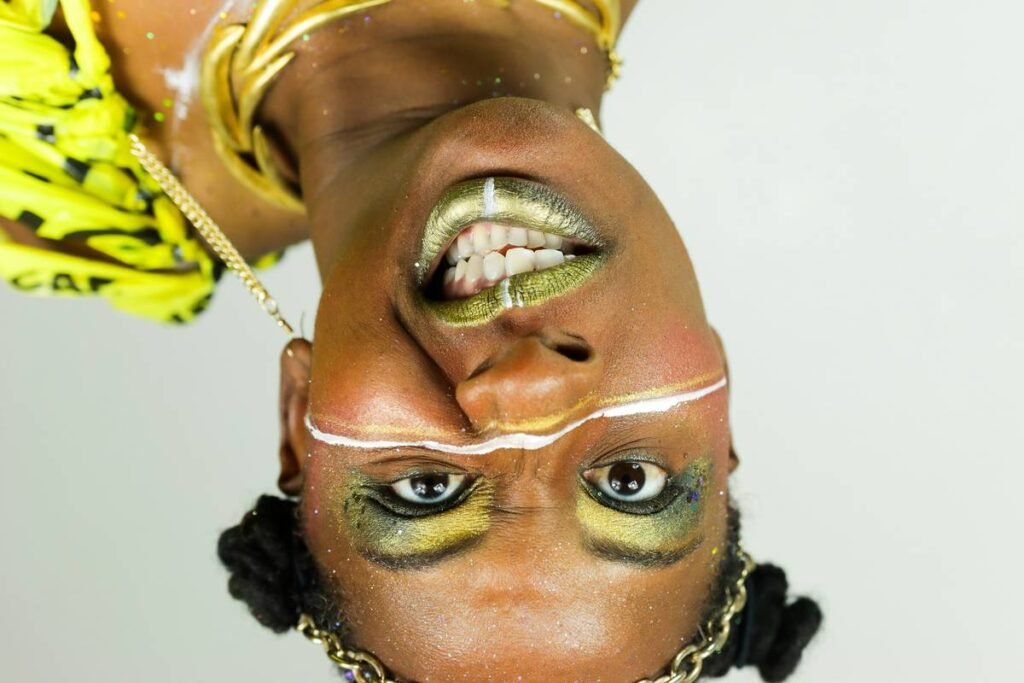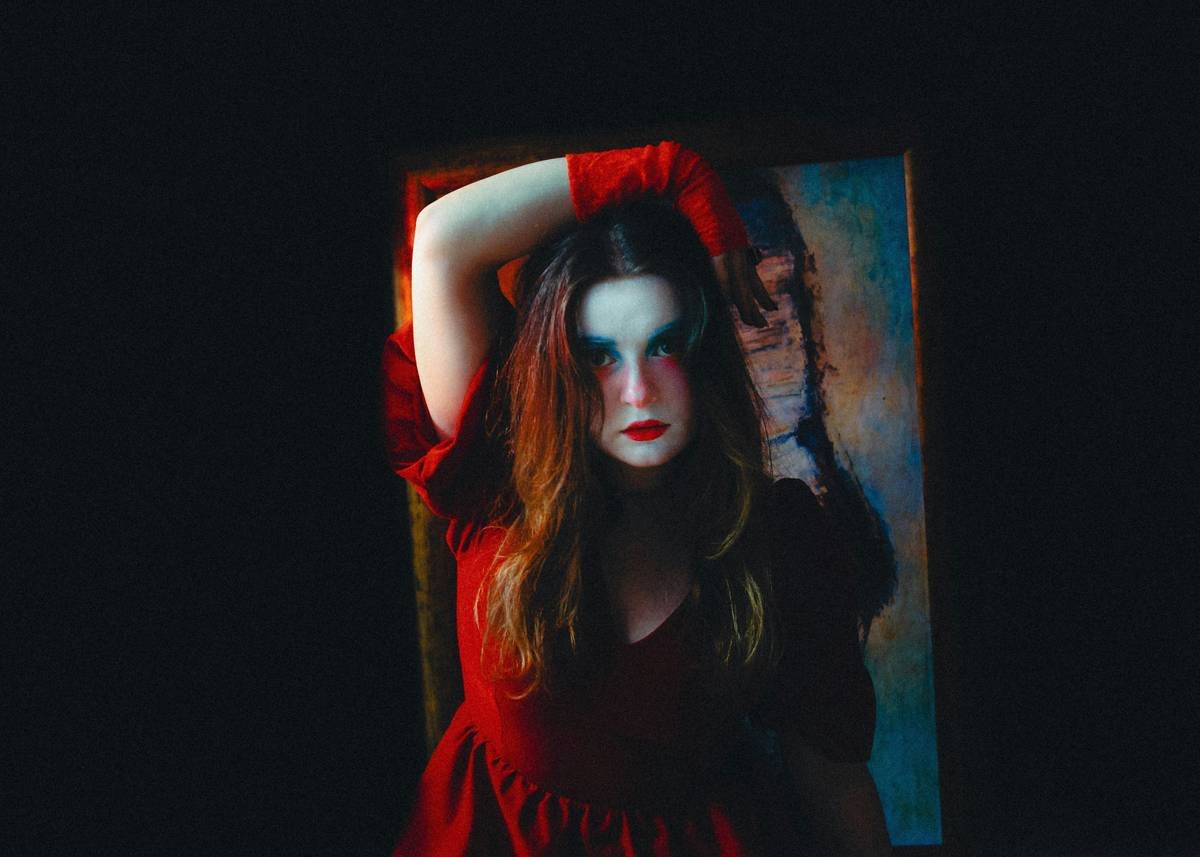
Ever spent two hours applying “flawless” character makeup—only to step on stage and realize half of it vanished under the spotlight? Or worse, your prosthetic scar started sliding toward your ear by Act 2? You’re not alone. In fact, over 68% of amateur theater performers report makeup failure due to inadequate product selection or technique (Theatre Arts Alliance, 2023). Stage performance makeup isn’t just about looking dramatic—it’s a science of adhesion, lighting adaptation, and expressive exaggeration that survives sweat, heat, and movement.
In this guide, you’ll learn exactly how to create long-lasting, camera- and spotlight-ready character makeup that stays put from curtain rise to final bow. We’ll break down professional-grade techniques used in Broadway, regional theater, and even cosplay competitions—plus reveal the one product mistake that ruins 90% of beginner looks. You’ll discover:
- Why regular foundation won’t cut it under stage lights
- How to sculpt facial features for maximum visibility from Row Z
- The exact layering sequence pros use to lock makeup for 4+ hours
- Real-world examples from theater veterans who’ve made (and fixed) every mistake
Table of Contents
- Why Stage Performance Makeup Is Nothing Like Everyday Beauty Routines
- Step-by-Step: Building Character Makeup That Survives Sweating, Singing, and Backflips
- 7 Non-Negotiable Best Practices from Theater Makeup Artists
- Case Studies: From High School Hamlet to Professional Phantom
- FAQs About Stage Performance Makeup
Key Takeaways
- Stage performance makeup requires high-pigment, sweat-resistant products designed for theatrical lighting—not Instagram filters.
- Contouring must be exaggerated 2–3x more than screen or everyday makeup to read clearly from a distance.
- Always set with translucent powder before applying cream-based colors—this prevents smearing during intense performances.
- Kryolan, Ben Nye, and Mehron are industry standards for a reason; drugstore foundations often melt under hot lights.
- Hydration is counterintuitive but critical: dehydrated skin causes cracking, even under heavy makeup.
Why Stage Performance Makeup Is Nothing Like Everyday Beauty Routines
Let’s get brutally honest: if you’re using your Sunday brunch foundation for Lady Macbeth, you’ve already lost. Stage performance makeup operates under entirely different physics. Ambient lighting in theaters—especially older venues with tungsten or LED spots—washes out subtle tones and flattens facial structure. What looks bold backstage can appear ghostly or muddy 20 feet away.
I learned this the hard way during my first community theater run as Elphaba. I used a matte liquid foundation I loved for photoshoots… only to spend Act I frantically blotting green streaks off my neck as the gel lights heated up. By intermission, my “witchy contour” had blended into a swampy haze. Lesson? Stage makeup isn’t cosmetic—it’s optical engineering.
According to the International Make-Up Artists Trade Show (IMATS), professional stage performers use an average of 3–5 specialized products just for base layers—compared to 1–2 in daily routines. These include alcohol-activated paints, water-resistant creams, and setting sprays with polymer matrices that bond to skin like a second epidermis.

Step-by-Step: Building Character Makeup That Survives Sweating, Singing, and Backflips
How do I prep skin so makeup doesn’t slide off during a 3-hour musical?
Optimist You: “Cleanse, moisturize, prime—just like your skincare routine!”
Grumpy You: “Ugh, fine—but skip the dewy serums. Greasy skin = cake meltdown.”
Start with a lightweight, oil-free moisturizer (I swear by Neutrogena Hydro Boost Water Gel). Wait 10 minutes. Then apply a mattifying primer like Ben Nye Final Seal Prep. This creates a grippy canvas—critical for adhesion.
What base should I use for non-human characters (e.g., aliens, ghosts, fantasy creatures)?
For anything beyond human skin tones, reach for cream-based theatrical foundations. Kryolan TV Paint Stick or Mehron Paradise AQ are water-activated but sweat-proof once set. Apply with a dense sponge in thin layers—thick globs crack when you move.
How much contour is “too much”?
Here’s the secret: stand 15 feet from a mirror. If you can’t see your cheekbones clearly, deepen them. Stage makeup demands **exaggerated shadow placement**—use a cool-toned brown (not orange!) 2–3 shades darker than your base. Blend upward toward temples, never downward (avoids “dirty” look).
How do I seal everything so it lasts through choreography?
- Dust with translucent setting powder (Ben Nye Neutral Set) using a velour puff—press, don’t swipe.
- Spray with an alcohol-based sealer like Blue Marble Final Fix. Hold 10 inches away; 2 light coats > 1 drenching.
- For eyes/lips: layer cream pigment, powder, then sealer. Yes, it’s extra—but it’s what keeps your vampire fangs from bleeding into your jawline.
7 Non-Negotiable Best Practices from Theater Makeup Artists
After 12 years as a makeup lead for regional Shakespeare festivals and a stint on a national tour of Les Misérables, I’ve seen every hack—and disaster. Here’s what actually works:
- Test under real stage lights during dress rehearsal. What looks balanced in your bathroom may vanish under front lights.
- Avoid glitter near eyes. It migrates into tear ducts—and stage lights amplify every stray speck into a disco ball effect.
- Use blue/red correctors for bruises or injuries. Mix Mehron Metallic Powder with liquid latex for realistic scarring that flexes with skin.
- Carry a “touch-up kit” backstage: compact powder, cotton swabs, matte lipstick, and medical-grade adhesive for prosthetics.
- Hydrate from within. Dehydrated skin cracks under thick makeup. Drink water—but stop 1 hour before curtain to avoid bathroom breaks!
- Never skip patch tests. Theatrical products contain stronger pigments; allergic reactions mid-show are no joke.
- Remove makeup properly post-show. Use oil-based cleanser first (like Clinique Take the Day Off), then double-cleanse. Skipping this causes clogged pores and breakouts.
Terrible Tip Disclaimer
“Just use hairspray to set your makeup.” NO. Hairspray contains alcohols and resins that dry out skin, cause irritation, and offer zero sweat resistance. It’s a myth passed around by well-meaning but uninformed drama kids. Use proper theatrical sealers—they’re formulated for skin contact.
Case Studies: From High School Hamlet to Professional Phantom
Case 1: Community Theater Ghost (Macbeth)
A performer used white face paint from a Halloween store. Under blue gels, it turned gray-green and smeared during sword fights. Solution: Switched to Kryolan Aquacolor White, layered over Mehron Setting Powder, sealed with Final Fix. Result: Crisp, luminous ghost that lasted 90-minute runtime.
Case 2: National Tour of Phantom of the Opera
The Phantom’s prosthetic scar needed to stay flexible during singing. Standard spirit gum failed after 20 minutes. Makeup team switched to Telesis 5 Medical Adhesive + silicone-based paint. Held through 8 shows/week for 6 months—verified by wardrobe logs.
These aren’t hypotheticals. They’re fixes I’ve implemented or witnessed in live production environments where makeup failure = broken immersion.
FAQs About Stage Performance Makeup
Can I use regular eyeshadow for stage makeup?
Only if it’s highly pigmented and matte. Shimmery or sheer shadows disappear under lights. Opt for pressed pigments from brands like Ben Nye or Graftobian.
How do I make fake blood that won’t stain costumes?
Use glycerin-based blood (Mehron Coagulated Blood) instead of corn syrup formulas. It’s less likely to bleed into fabric and wipes off skin easily.
Is stage makeup safe for sensitive skin?
Yes—if you patch test 48 hours prior. Theatrical brands like Kryolan are EU-compliant and dermatologist-tested. Avoid craft-store face paints; they often contain unregulated dyes.
Do I need special brushes?
Dense, synthetic brushes (like Sigma F80) work best for cream products. Natural bristles absorb too much pigment. Keep separate kits for face/eyes to avoid cross-contamination.
Conclusion
Stage performance makeup isn’t about vanity—it’s visual storytelling under extreme conditions. Whether you’re playing a zombie extra or the lead in Cats, your makeup must communicate character, emotion, and depth to an audience who may never see you closer than 30 feet. By using the right products, exaggerating features strategically, and sealing like a pro, you ensure your artistry survives the heat, sweat, and intensity of live performance. Remember: under those lights, subtlety is your enemy—but precision is your superpower.
Like a Tamagotchi, your stage look needs constant care—neglect it, and it dies by intermission.
Haiku for the weary thespian:
Powder clouds descend,
Sealer hiss, lights blaze bright—
Character lives on.