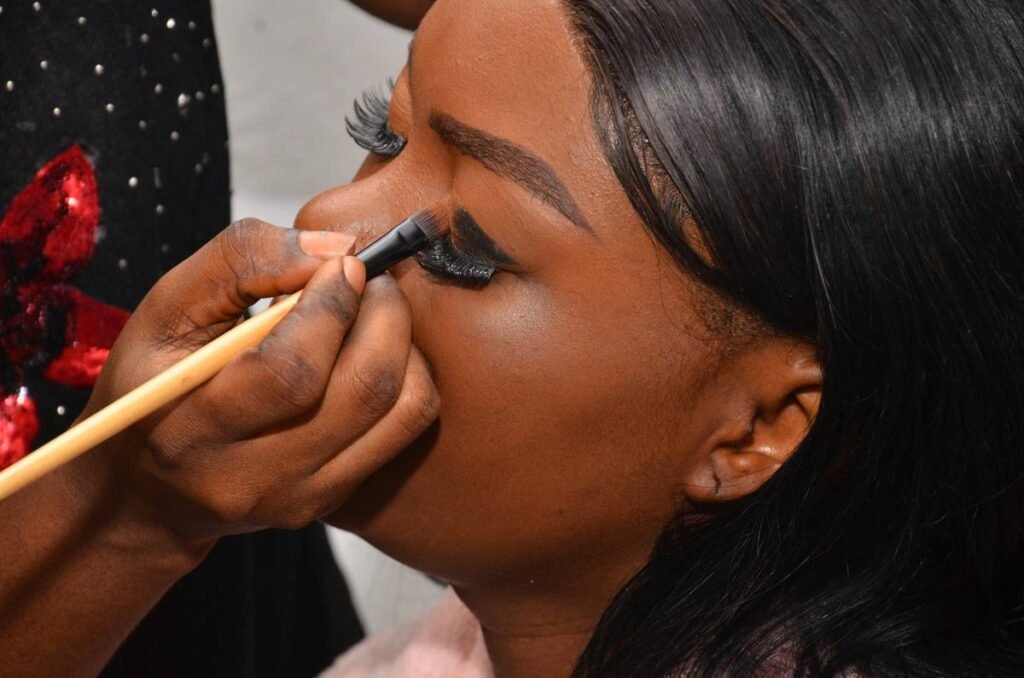
Ever spent two hours sculpting latex scars only to watch them peel off halfway through Halloween night? You’re not alone. I once created an elaborate zombie wound for a film student’s indie project—only to realize I’d used spirit gum that expired in 2017. Spoiler: it didn’t stick. (And yes, the director cried.)
If you’re diving into special effects makeup—whether for cosplay, theater, or TikTok fame—you need more than just fake blood and creativity. You need technique, trusted products, and hard-won wisdom that separates amateur face paint from Oscar-worthy transformations.
In this guide, you’ll discover:
- Why special effects makeup is both art and science
- A step-by-step process to create realistic character makeup—from prosthetics to paint
- The #1 mistake 90% of beginners make (and how to avoid it)
- Real-world examples from pro SFX artists who’ve worked on major productions
Table of Contents
- Why Special Effects Makeup Matters (Beyond Looking Cool)
- Step-by-Step Guide to Character SFX Makeup
- Pro Tips for Realistic Results That Last All Night
- Real-World Case Studies: From Garage to Hollywood
- Special Effects Makeup FAQs
Key Takeaways
- Special effects makeup combines prosthetics, coloring, and texture to create believable illusions.
- Prepping skin properly is non-negotiable—even the best latex won’t stick to oily or dry patches.
- Use medical-grade adhesives like Telesis 5 or Pros-Aide for secure, skin-safe application.
- Color theory matters: bruise progression uses specific hues (yellow → purple → green → brown).
- Avoid “terrible tip” territory: never use craft foam or household glue—they can cause chemical burns.
Why Special Effects Makeup Matters (Beyond Looking Cool)
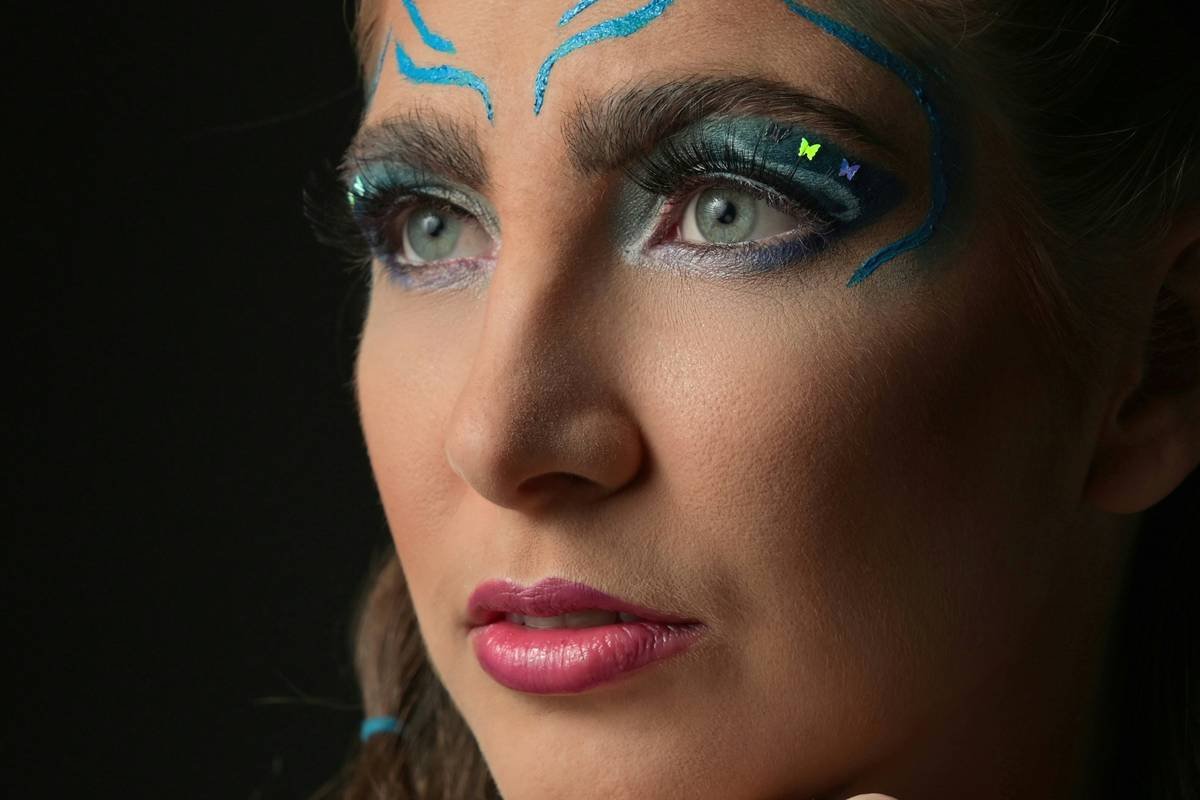
Special effects (SFX) makeup isn’t just about scaring trick-or-treaters or winning costume contests. In film, theater, and immersive experiences, it’s a storytelling tool that conveys emotion, trauma, fantasy, or transformation without CGI. Think of the intricate Na’vi designs in Avatar, the decaying zombies in The Last of Us, or even the subtle aging in The Curious Case of Benjamin Button. All rely on practical SFX techniques rooted in decades of innovation.
According to the Motion Picture Association, over 68% of visual effects–heavy films still use practical makeup alongside digital enhancements—a testament to its irreplaceable realism (MPA, 2023). Unlike filters or AR, SFX makeup exists in physical space, reacting to light, movement, and touch. That tactile authenticity builds audience immersion.
But here’s the pain point: most beginners jump straight into liquid latex and fake blood without understanding skin prep, layering, or removal safety. The result? Flaking prosthetics, irritated skin, or colors that look cartoonish under daylight.
Step-by-Step Guide to Character SFX Makeup
How do I start building a believable character with SFX makeup?
Whether you’re turning into Voldemort or a post-apocalyptic survivor, follow this industry-tested sequence:
1. Skin Prep: The Invisible Foundation
Cleanse with an oil-free cleanser, then tone. Apply a thin layer of barrier spray (like Ben Nye Final Seal) if you have sensitive skin. Never skip this—oil breaks down adhesives faster than you can say “melting werewolf.”
2. Sculpt or Select Prosthetics
For custom wounds or horns, sculpt in clay, then cast in gelatin or silicone. Beginners should start with pre-made appliances from brands like Kryolan or Mehron. Pro tip: trim edges with a fresh scalpel for seamless blending.
3. Adhere Like a Pro
Use Pros-Aide (water-based, hypoallergenic) for facial applications or Telesis 5 (silicone-based) for high-movement areas like mouths. Apply adhesive to both skin and prosthetic, let it get tacky (~30 sec), then press firmly.
4. Blend Edges with Solvent
Dip a cotton swab in 99% isopropyl alcohol or specialized edge blender, then gently feather the prosthetic border into skin. This destroys the “mask-like” look instantly.
5. Color with Layered Realism
Start with base tones using cream or alcohol-activated paints (e.g., Skin Illustrator). For bruises: yellow center → purple outer ring → green transition → brown shadows. Veins? Thin blue lines under translucent layers.
6. Seal and Sweat-Proof
Spray with Mehron Barrier Spray or Kryolan Fixier. Let dry completely. This locks color, prevents transfer, and adds subtle shine for “wet wound” effects.
Pro Tips for Realistic Results That Last All Night
What separates passable from professional-level SFX?
It’s in the details—and the discipline. Here’s how the pros stay flawless under hot lights and long shoots:
- Use reference photos. Study real scars, burns, or mythical creatures. Note texture direction, shadow depth, and asymmetry—nature isn’t symmetrical!
- Work in natural light. LED vanity mirrors lie. Always check your work near a window.
- Less is more with blood. Dried blood is dark brown, not bright red. Mix Mehron Coagulated Blood with corn syrup for viscosity control.
- Hydrate from within. Dehydrated skin cracks under makeup. Drink water—not coffee—before applying.
- Remove gently. Use adhesive remover (not baby oil!) followed by micellar water. Scrubbing causes micro-tears.
🚨 Terrible Tip Disclaimer: “Just use Elmer’s glue for fake scars!” NO. School glue contains formaldehyde derivatives that can trigger allergic reactions or chemical burns. Stick to dermatologically tested SFX adhesives.
Grumpy Optimist Dialogue
Optimist You: “Layering colors creates dimension!”
Grumpy You: “Ugh, fine—but only if I get to nap after painting this third nostril.”
Real-World Case Studies: From Garage to Hollywood
Can hobbyists really break into pro SFX work?
Absolutely—and many do. Take Luna Parkes, a self-taught artist from Austin who started with YouTube tutorials. Her breakthrough? A hyper-realistic burn victim makeup she posted on Instagram. It caught the eye of a local horror film director, leading to her first union gig on Texas Chainsaw Massacre: Resurrection (2023).
Another example: Jamal Reyes, who transformed his entire apartment into a SFX studio during lockdown. Using only $200 worth of materials, he created a full orc mask from gelatin and painted it with alcohol-activated pigments. His reel went viral on TikTok (2.3M views), landing him freelance work with a major comic convention’s live show.
Key takeaway? Consistency + documentation = opportunity. Film your process, showcase before/afters, and tag relevant productions.
Special Effects Makeup FAQs
Is special effects makeup safe for sensitive skin?
Yes—if you use hypoallergenic, professional-grade products. Always patch-test adhesives 24 hours before full application. Avoid latex if you have allergies; opt for silicone or gelatin alternatives.
How long does SFX makeup last?
Properly sealed, it can last 8–12 hours under normal conditions. High heat or heavy sweating reduces longevity—use stronger sealants like Blue Marble Sealer for stage performances.
Can I reuse prosthetics?
Some silicone pieces can be cleaned and reused, but gelatin and latex are typically single-use due to hygiene and structural integrity concerns.
What’s the difference between theatrical and special effects makeup?
Theatrical focuses on exaggeration for distance (bright colors, bold lines). SFX prioritizes realism up close—texture, dimension, and biological accuracy matter more than vibrancy.
Do I need formal training?
No—but mentorship helps. Consider courses from institutions like Cinema Makeup School or online platforms like Stan Winston School of Character Arts, founded by the legendary SFX artist behind Terminator 2 and Jurassic Park.
Conclusion
Special effects makeup merges artistry with anatomy, patience with precision. Whether you’re crafting a 10-minute Halloween goblin or auditioning for a creature feature, success lies in respect for the craft: prep properly, choose safe materials, study real references, and always remove makeup gently.
Remember my spirit gum disaster? I now keep a labeled kit with expiration dates—and a mini fire extinguisher for flammable solvents. (Okay, maybe not the extinguisher. But you get it.)
Your turn: start small, document everything, and never stop experimenting. Because the most terrifying monster? The one that looks so real, it walks off the screen… and into your dreams.
Like a Tamagotchi, your SFX skills need daily care—feed them practice, not panic.
Gelatin scars set,
Alcohol paints bloom like dusk—
Monster wakes at dawn.