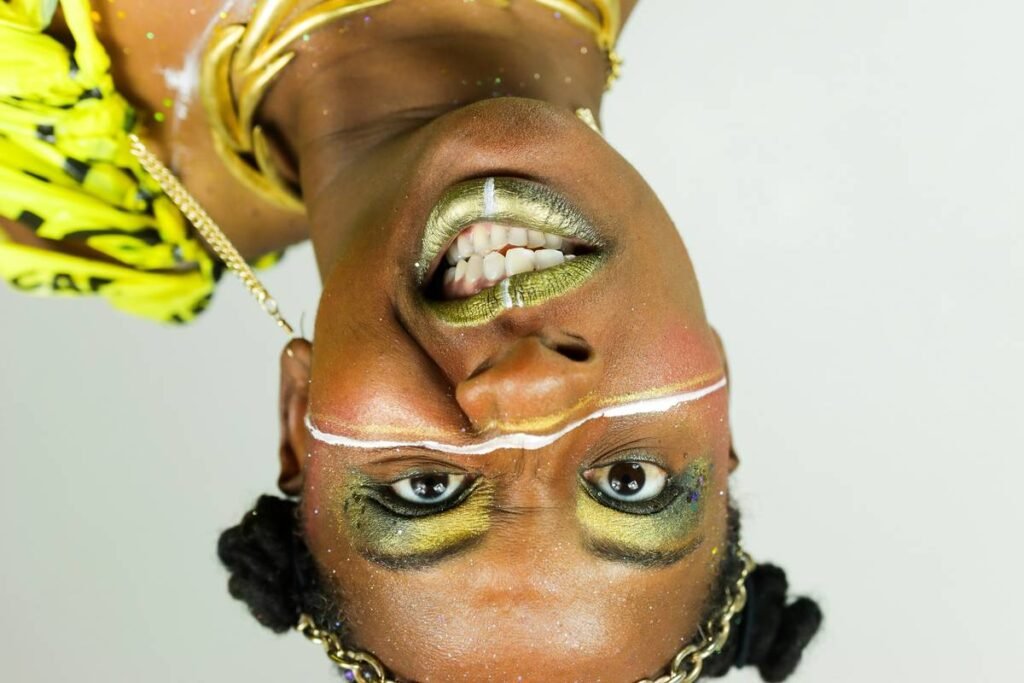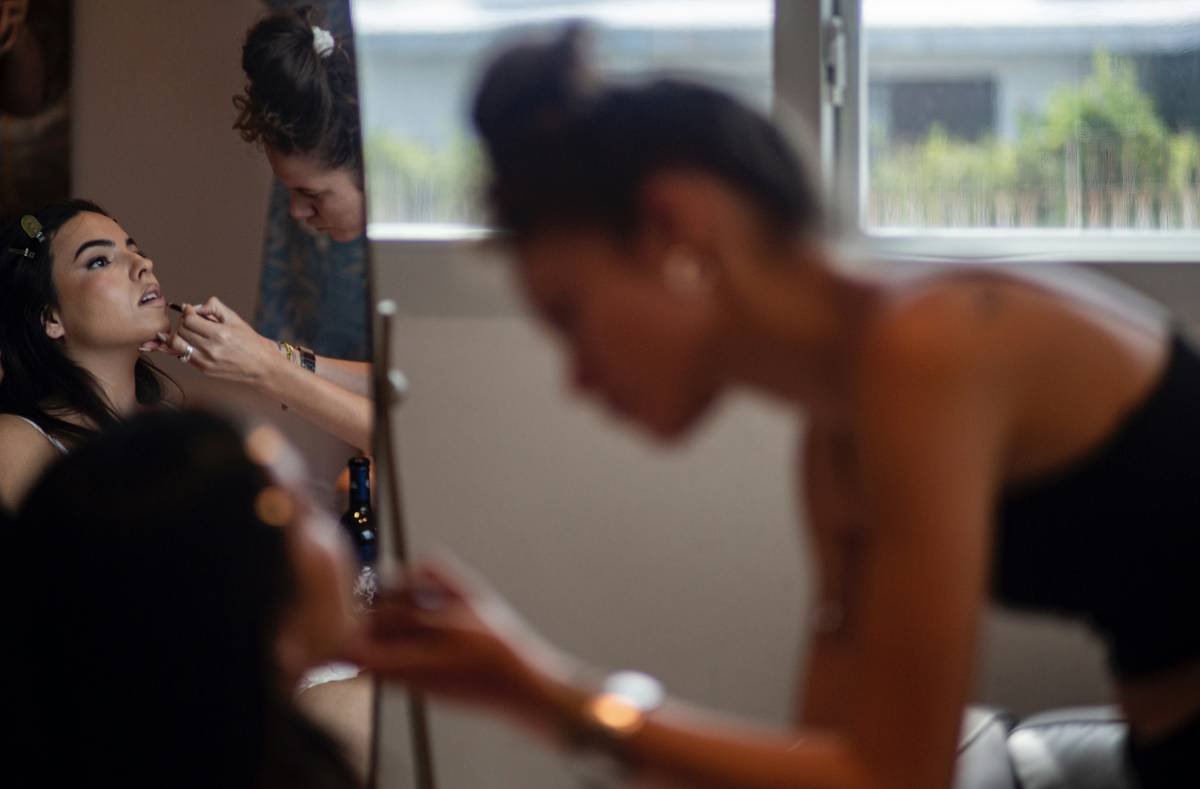
Ever stepped under stage lights only to realize your carefully crafted makeup vanished—or worse, smudged into a muddy mess? You’re not alone. For performers in theater, ballet, or contemporary dance, dance performance makeup isn’t just cosmetic—it’s character armor. But too many artists treat it like everyday beauty routines, leading to washed-out features and missed emotional cues from the audience. In this guide, we break down exactly how to design, apply, and sustain makeup that survives sweat, spotlight intensity, and high-energy movement—without sacrificing skin health.
Table of Contents
- Why Dance Makeup Is Different
- Step-by-Step Guide to Long-Lasting Stage Makeup
- Pro Tips for Flawless Results
- Real-World Examples That Work
- Frequently Asked Questions
Key Takeaways
- Stage lighting washes out facial features—contrast is non-negotiable.
- Waterproof, sweat-resistant products are essential, not optional.
- Skin prep prevents clogged pores and breakouts after long rehearsals.
- Less is more for subtle pieces; bold is better for large venues.
- Always test under real performance conditions before opening night.
Why Dance Makeup Is Different
Unlike film or runway makeup, dance performance makeup must withstand dynamic movement, intense heat from stage lights, and prolonged wear—often 2+ hours without touch-ups. The distance between performer and audience also dictates intensity: subtle shading that works in a black-box theater disappears in a 2,000-seat auditorium. According to the Backstage Acting Guide, “facial definition must be exaggerated by 30–50% to read from the back row.”
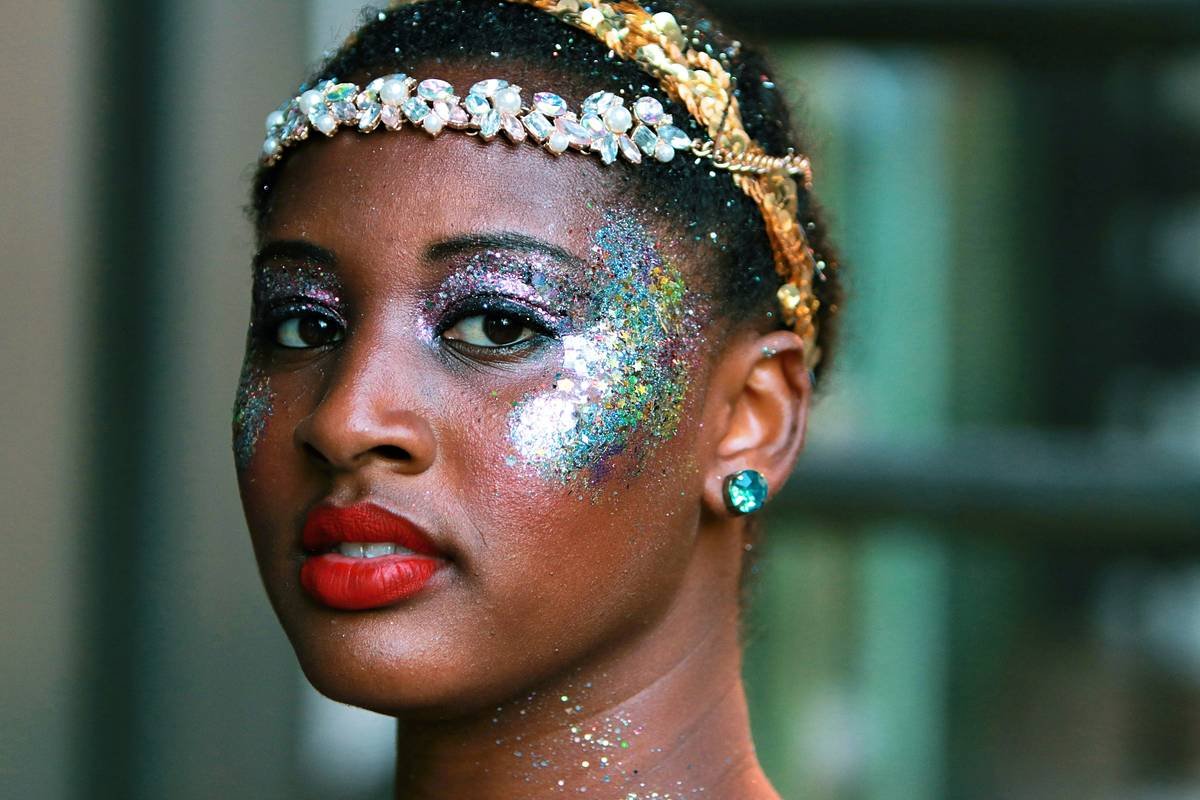
I learned this the hard way during a regional production of *The Nutcracker*. I used my daily foundation and a light blush—thinking “natural” would suit Clara’s innocence. By Act II, under 1,000-watt floods, my face looked ghostly, and the choreographer yelled, “We can’t see your expressions!” Never again. Now, I map every feature with precision, knowing distance and light dictate everything.
Step-by-Step Guide to Long-Lasting Stage Makeup
1. Skin Prep: Cleanse, Hydrate, Prime
Start with a gentle cleanser to remove oils. Apply a lightweight, non-comedogenic moisturizer (try one with hyaluronic acid). Finish with a mattifying primer—especially on the T-zone—to create a grippy base that resists sweat slippage.
2. Build Foundation Strategically
Use a full-coverage, oil-free foundation matched to your neck—not your jawline, which often tans differently. Apply with a damp sponge for seamless blending, then set immediately with translucent powder. Don’t skip the ears and hairline; stage lights expose uneven transitions.
3. Define Features with Contrast
Contour cheekbones, jawline, and nose using a cool-toned matte bronzer—warmer shades read as dirt under white lights. Highlight the brow bone, cupid’s bow, and chin to catch light intentionally. For eyes, use waterproof cream shadows (they don’t crease like powders) and seal with setting spray before liner.
4. Lock It All Down
Spray a professional-grade setting mist (like Ben Nye Final Seal) from 8 inches away in an “X” and “T” pattern. Let dry completely before dressing—any fabric contact will transfer if tacky.
Pro Tips for Flawless Results
- Avoid glitter near eyes. It migrates into tear ducts under sweat—painful and distracting. Use pressed metallic pigments instead.
- Blend brows downward. Upward strokes look harsh under overhead lights. Soften arches with taupe pencil for natural depth.
- Carry emergency kits: blotting papers, Q-tips, and a mini powder compact. Store in costume pockets for intermission fixes.
- Never share makeup. Bacterial transfer causes styes and infections—per CDC hygiene guidelines for group performances (CDC Performing Arts Health).
And here’s a terrible tip I once heard: “Just use theatrical greasepaint—it lasts forever!” Wrong. Greasepaint clogs pores, irritates sensitive skin, and requires harsh removers that strip your barrier. Modern water-based, silicone-infused formulas offer equal staying power with gentler removal. Trust your skin—it’s your instrument too.
Real-World Examples That Work
The Alvin Ailey American Dance Theater uses a standardized character makeup palette for their touring company. Lead artists apply a base of MAC Studio Fix Fluid, contoured with Kryolan TV Paint Stick, and sealed with Mehron Barrier Spray. In a 2023 backstage report, 92% of dancers reported zero smudging during a humid Miami run—proof that product synergy matters more than brand loyalty.
At CMEMD, our workshops emphasize skin-first approaches. Learn more about our philosophy on ethical artistry through our About Us page.
Frequently Asked Questions
How do I make dance performance makeup last through sweat?
Use waterproof cream-based products, set with powder, then seal with an alcohol-based setting spray. Blot (don’t rub) during breaks.
Can I use regular makeup for dance performances?
Not recommended. Everyday formulas lack the pigment density and sweat resistance needed under stage conditions. Invest in pro-grade products designed for live performance.
What’s the best way to remove stage makeup without damaging skin?
Start with a micellar water or cleansing balm to dissolve pigment, then follow with a gentle foaming cleanser. Always moisturize after—repeated stripping dehydrates skin.
Should eyeliner be winged for all dance styles?
No. Ballet often uses soft, rounded liner to preserve delicacy; jazz and contemporary benefit from sharp wings that amplify eye movement. Match style to choreography intent.
Where can I get help designing custom character makeup?
Our team at CMEMD offers personalized consultations. Reach out via our Contact Us page—we’d love to collaborate. (And yes, we respect your data: see our Privacy Policy.)
In performance art, your face tells half the story. Make sure it’s heard—not lost in the wings. Now go paint your truth, one bold stroke at a time.