You spend hours sculpting a character’s backstory—only to slap on a flat, rubbery scar that screams “Halloween store.” It breaks immersion instantly. Audiences spot fakes from a mile away. Special effects makeup for scars shouldn’t look like stickers. It should bleed, warp, and age with your character. Here’s how to do it right—without Hollywood budgets.
Why DIY Scar Kits Almost Always Fail
Most beginners grab liquid latex and fake blood, expecting movie magic. Reality check: those materials lack texture depth. They sit *on* the skin—not *in* it. And under directional lighting? They flatten into shiny blobs.
The real issue isn’t skill. It’s material physics. Real scars pull, dimple, and change tone with movement. Latex alone can’t mimic that biomechanical behavior. You’re not applying makeup—you’re engineering illusion.
Step-by-Step: Build Believable Scars That Hold Under Lights
Gather Your Core Arsenal
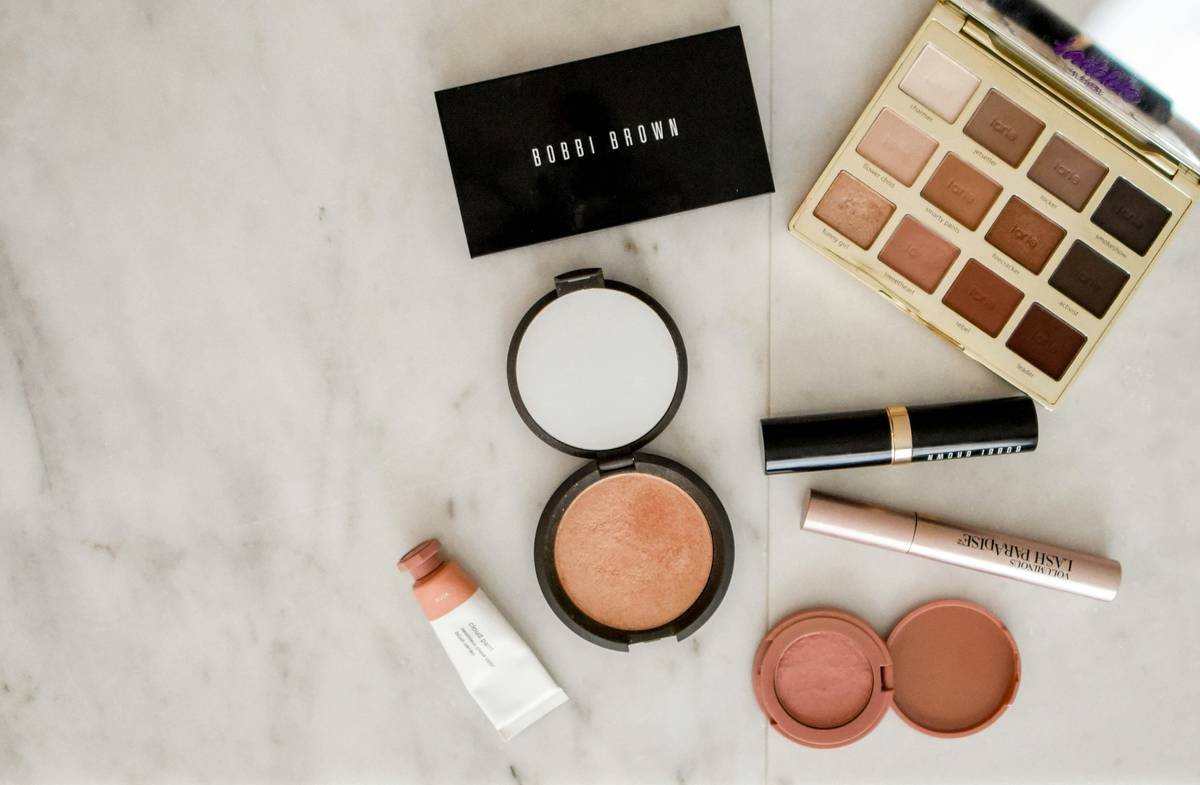
Ditch the pre-made kits. Start with medical-grade silicone (like Ecoflex 00-30), gelatin for temporary wounds, or even Pros-Aide + tissue paper for ultra-thin raised edges. Alcohol-activated paints? Non-negotiable for seamless blending.
Map the Injury First
Scars tell stories. A knife slash runs perpendicular to muscle tension lines. Burn scars crawl unevenly. Sketch lightly with eyeliner pencil before applying anything. Get the anatomy wrong—no amount of texture saves you.
Layer Like a Surgeon—Not a Painter
Real tissue rebuilds in strata. So should your build:
- Bond tissue paper or cotton strips with Pros-Aide for base elevation.
- Sculpt fine ridges using thickened gelatin or wax.
- Seal with thin silicone layers—brushed, not poured.
- Paint mid-tone base first, then stipple darker edges inward.
| Method | Cost (USD) | Durability | Best For |
|---|---|---|---|
| Tissue Paper + Pros-Aide | $8–$15 | 4–6 hours | Fresh lacerations, subtle raised scars |
| Gelatin Casting | $10–$20 | 2–3 hours (heat-sensitive) | Deep gashes, wound interiors |
| Platinum Silicone (Ecoflex) | $25–$50 | 8+ hours, sweat-proof | Long shoots, dynamic expressions |
The Industry Secret: Movement Beats Texture
Hollywood SFX artists won’t admit this—but motion sells the scar more than detail. A scar over the eyebrow must crack when the brow lifts. One across the lip must stretch during speech. If it doesn’t move, it’s dead weight.
Here’s how we cheat it: embed micro-slits in your silicone build along natural expression lines. Then seal only the outer perimeter—letting the center flex. Test by smiling, squinting, frowning *before* painting. Fix cracks with thinner silicone, not more paint. The math is simple: flexibility = believability.
FAQ: Quick Answers to Burning Questions
Can I use household glue instead of Pros-Aide?
No. White glue dries rigid—it’ll crack and irritate skin. Pros-Aide bonds flexible and removes cleanly with isopropyl myristate.
How long does special effects makeup for scars last?
With proper sealing, silicone-based scars hold 6–10 hours. Gelatin? Max 3 hours—avoid hot sets.
Do I need an airbrush?
Not at all. Stippling with sponge wedges and fine brushes gives more control for scar edges than most beginner airbrushes.