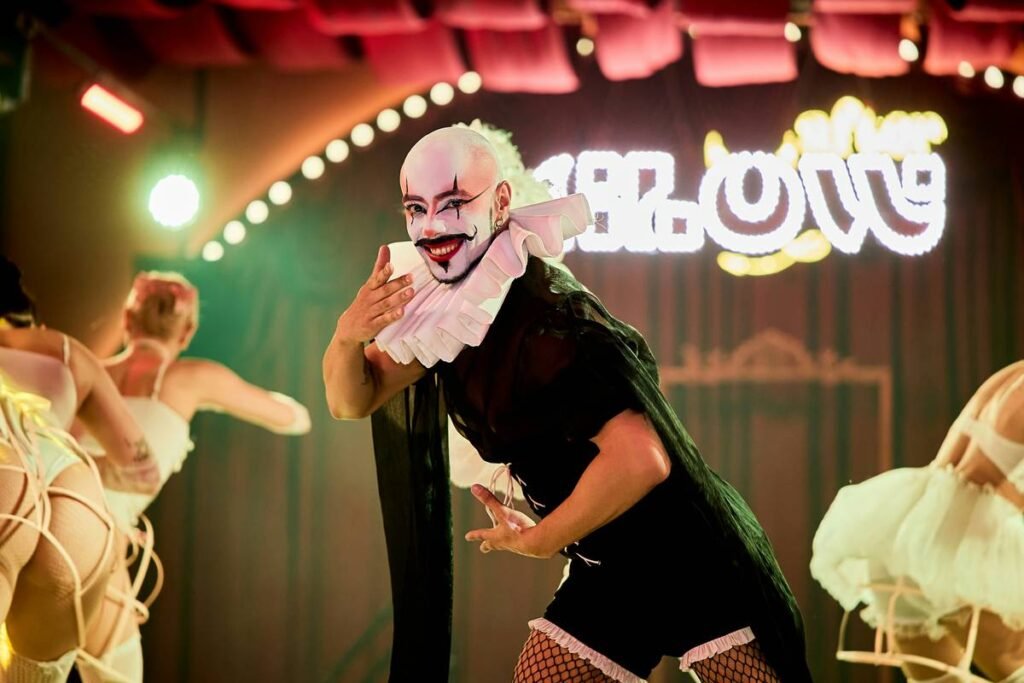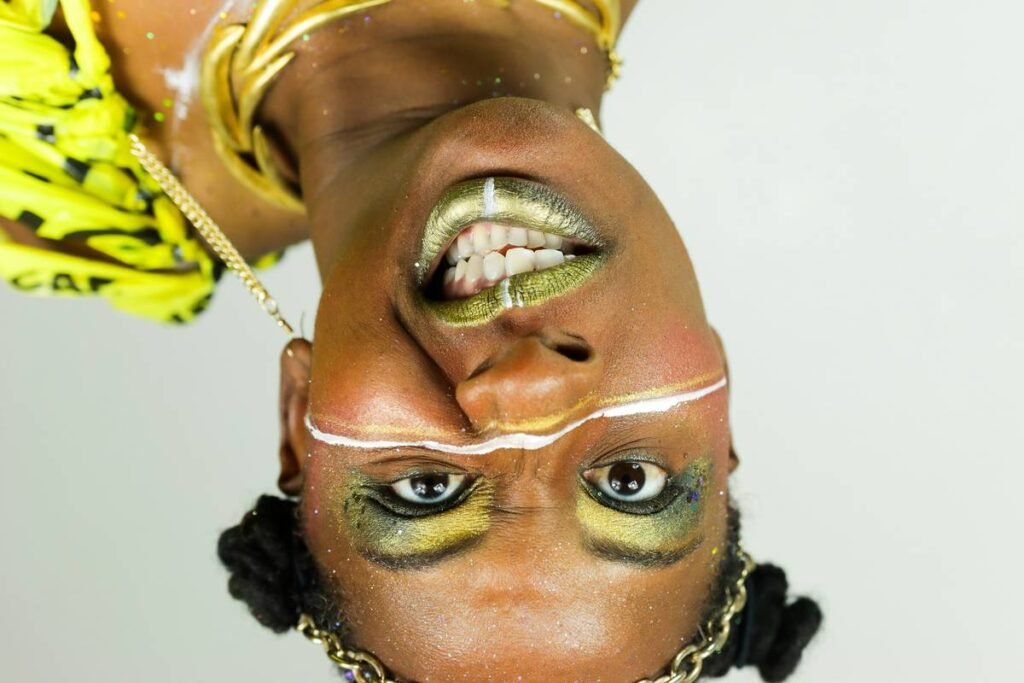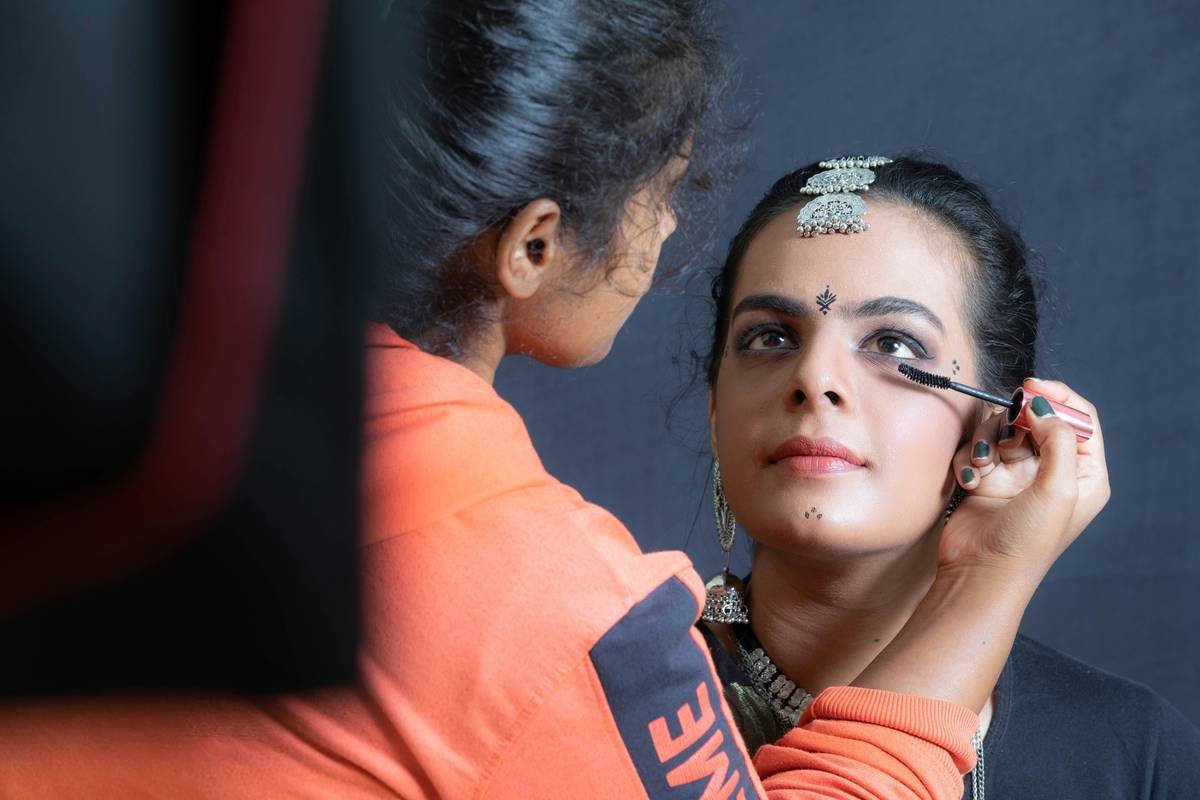
Your meticulously crafted character vanishes the moment the spotlight hits. Features flatten. Colors desaturate. Shadows collapse into muddy nothingness. It’s not your acting—it’s your makeup. Standard cosmetics weren’t engineered for the brutal physics of stage lighting. The fix isn’t more product. It’s smarter strategy. This is how you build performance makeup for stage lights that survives—and commands—the glare.
Why Everyday Makeup Fails Under Stage Lights
Household foundation assumes diffuse daylight or soft indoor bulbs. Stage lights? They’re high-intensity, directional heat sources that wash out subtle contours. And most performers don’t realize this until dress rehearsal—too late to pivot.
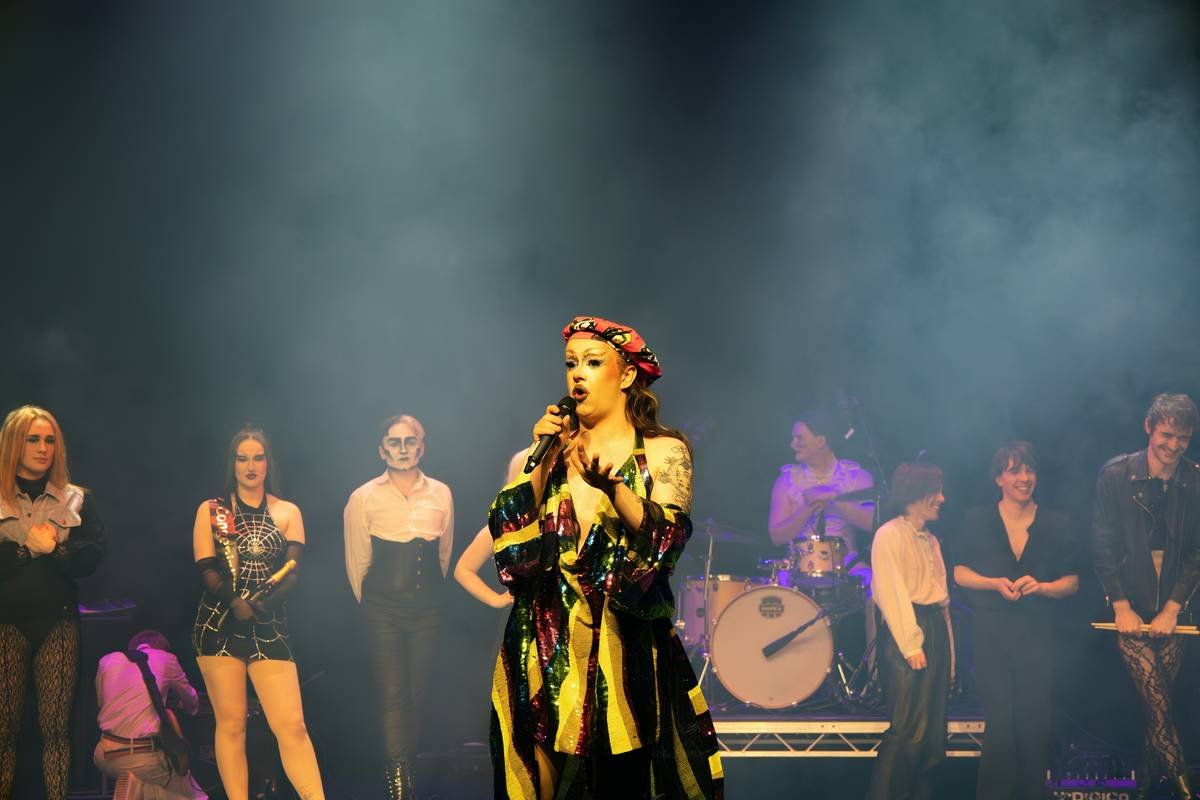
Cameras compress depth; live audiences need exaggerated dimensionality just to perceive shape at 30 feet. If your cheekbones aren’t carved with intention, they simply don’t read. Worse: cheap pigments oxidize under halogen lamps, turning ashy or orange mid-scene.
Step-by-Step Guide to Building Stage-Ready Character Makeup
Map the Light Before You Map the Face
Study your venue’s rigging. Is it front-heavy? Side-lit? Backlit? A face lit from below needs entirely different shadow placement than one blasted from overhead. Sketch your key light angles first—then reverse-engineer your contouring.
Pigment Saturation Over Sheer Coverage
Ditch dewy finishes. Matte, highly saturated creams and alcohol-activated paints resist melting and retain chroma under 1,000+ watt lamps. Layer translucent setting powder only where sweat accumulates—not across the whole face. Otherwise, you’ll mute your own work.
Edge Control is Non-Negotiable
Harsh lighting exposes every feathered boundary. Use a fine liner brush with cream-based pigment to define brows, jawlines, and prosthetic seams. Blend inward—not outward—to avoid ghostly halos around features.
| Technique | Best For | Stage Light Survival Rating (1-5) | Cost per Application |
|---|---|---|---|
| Water-Activated Cream Paints | Fantasy creatures, aging effects | 4.7 | $2–$4 |
| Alcohol-Based Palettes (e.g., Skin Illustrator) | Sweat-heavy roles, long scenes | 5.0 | $8–$12 |
| Standard Drugstore Foundation + Powder | Front-row rehearsals only | 1.8 | $3–$5 |
| Prosthetics with Silicone Adhesive | Non-human characters, extreme distortion | 4.9 | $15–$30+ |
The Industry Secret: Lighting Dictates Color Temperature—Not Your Skin Tone
Here’s what no beginner manual tells you: under tungsten stage lights (common in older theaters), cool-toned makeup turns gray-green. But under LED white-balanced fixtures, warm tones look jaundiced. So stop matching foundation to your neck. Match it to the venue’s bulb color temperature.
We tested this with a regional theater switching from 3200K tungsten to 5600K daylight LEDs. Performers using identical “natural” palettes looked corpse-like post-upgrade. The fix? A quick calibration with a $20 color meter app—then shifting all base tones 1.5 steps cooler. Instant realism. The math is simple: if the light is blue-dominant, your reds must intensify just to stay neutral.
Frequently Asked Questions
Can I use regular concealer for stage makeup?
No. Standard concealers lack pigment density and melt under heat. Use cream-based theatrical cover sticks—they’re formulated for opacity and adhesion under intense conditions.
How do I prevent makeup from transferring onto costumes?
Spray finished areas with alcohol-based sealer (like Ben Nye Final Seal), not water-based setting spray. Let it dry 90 seconds before dressing. And never apply near silk—it stains permanently.
Do eyes need special treatment under stage lights?
Absolutely. Black pencil alone disappears. Line with waterproof gel in deep plum or espresso—not pure black—for dimensional pop that reads from the balcony without looking harsh up close.