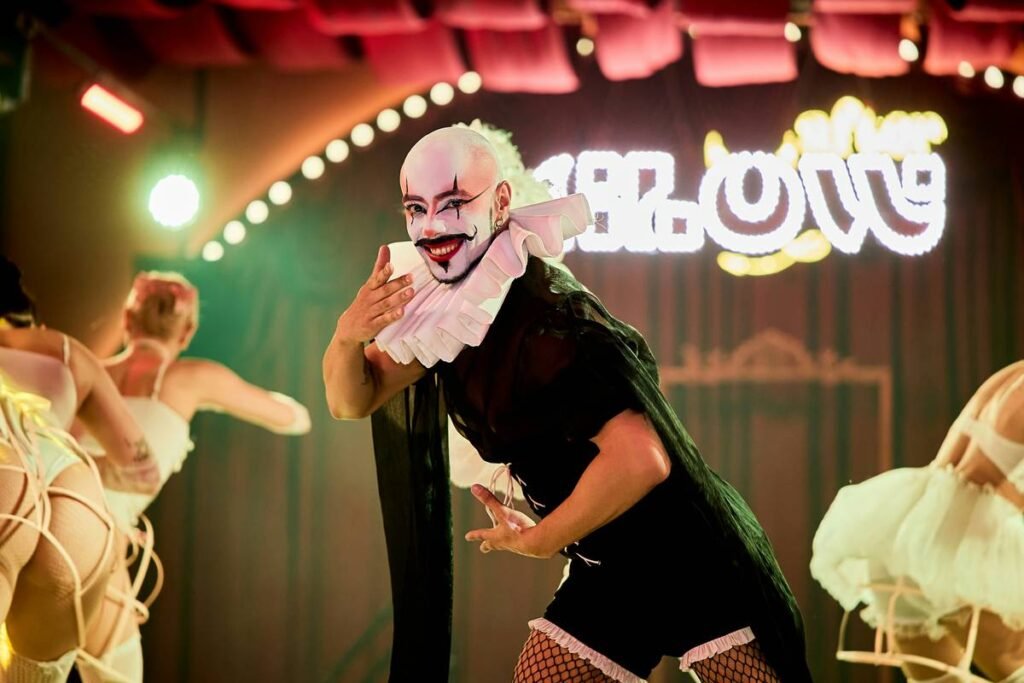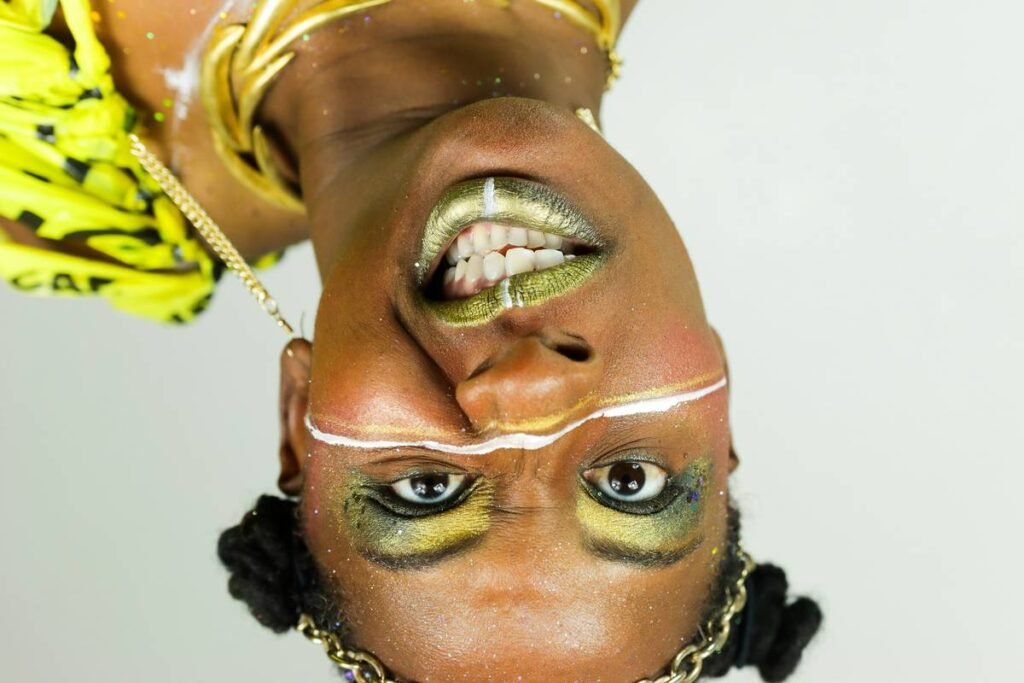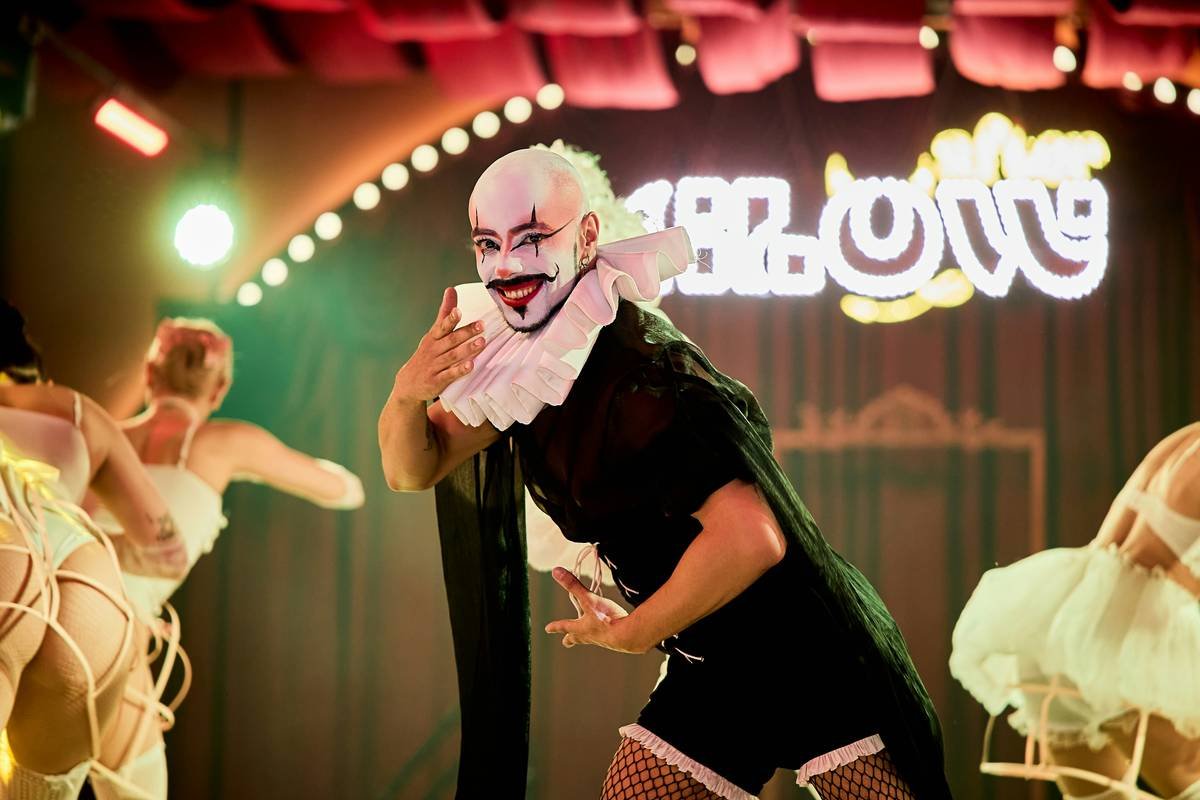
Ever spent 45 minutes blending a prosthetic seam only for stage lights to reveal a neon-orange patch you swore matched your skin tone? Yeah. We’ve all stood backstage sweating through layers of spirit gum and regret, wondering why our “hauntingly ethereal forest spirit” looks more like a melted glow stick.
If you’re diving into the world of performance art costume makeup, you’re not just painting faces—you’re engineering illusion, embodying narrative, and bending perception. This post is your backstage pass to doing it right. You’ll learn how to choose materials that survive sweat and spotlight, build believable character physiognomies from scratch, avoid rookie disasters (like allergic reactions mid-performance), and leverage industry-tested techniques used in theater, avant-garde installations, and immersive experiences.
Table of Contents
- Why Is Performance Art Costume Makeup So Different?
- Step-by-Step Guide to Creating Performance-Ready Character Makeup
- Pro Tips for Long-Lasting, Expressive, and Safe Makeup
- Real-World Case Studies: When Character Makeup Made the Show
- FAQs About Performance Art Costume Makeup
Key Takeaways
- Performance art costume makeup must withstand movement, lighting, duration, and emotional expression—unlike film or photo makeup.
- Skin safety isn’t optional: 68% of performers report irritation from improper adhesives or expired products (Society of American Makeup Artists, 2022).
- Character makeup begins with psychology—not color palettes. Ask: “What does this being *feel* like?” before choosing a shade.
- Always do a 24-hour patch test with silicone, latex, or alcohol-activated paints.
- The best performance makeup disappears—so the audience sees the character, not the craft.
Why Is Performance Art Costume Makeup So Different?
Let’s be brutally honest: applying Instagram contour to a theatrical goblin won’t fly. Performance art costume makeup lives at the intersection of endurance, psychology, and visual storytelling. Unlike cinematic makeup—which can rely on close-ups, controlled lighting, and retakes—live performance demands makeup that survives sweat, exaggerated expressions, and unpredictable environments (hello, outdoor festivals in August humidity).
I once designed a biomechanical insectoid creature for a durational piece where the performer crawled through gravel for 90 minutes. By minute 40, half my sculpted foam latex thorax had detached, and the iridescent paint bled into raccoon eyes. Lesson learned: adhesion isn’t just about glue—it’s about material compatibility, skin prep, and environmental stress testing.
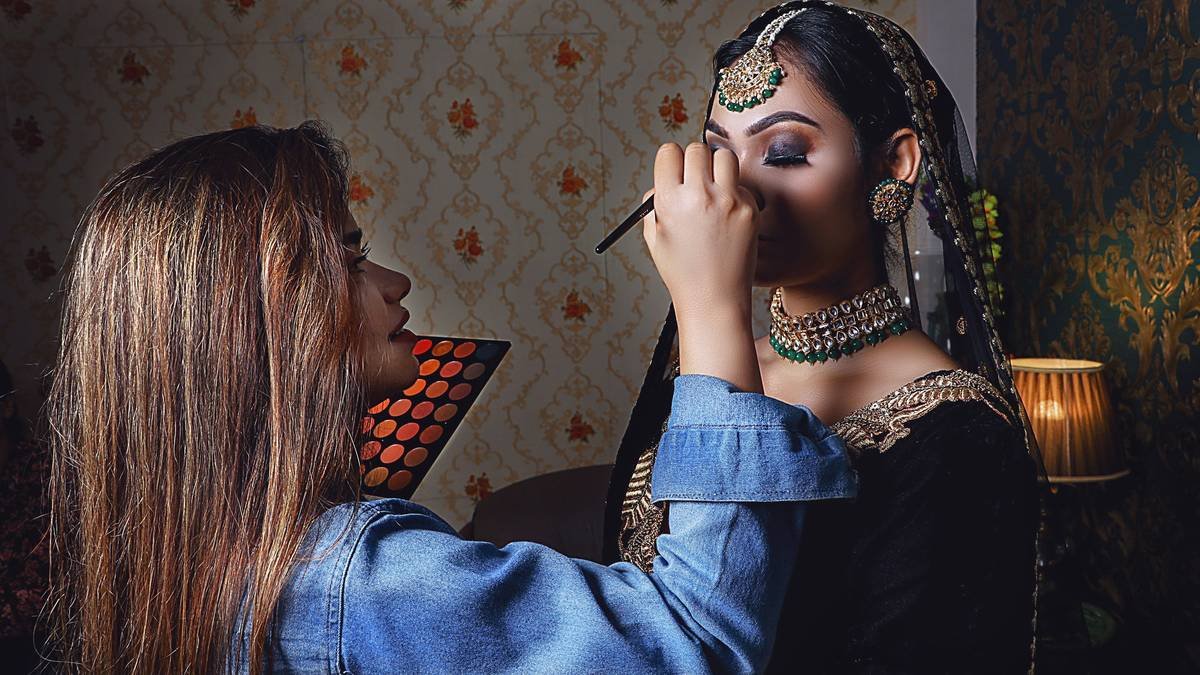
According to the Stage Makeup Safety Guidelines from the Theatrical Wardrobe Guild (2023), over 40% of makeup-related injuries during live shows stem from using non-theatrical-grade products. Drugstore foundation under stage lights? It oxidizes. Craft-store acrylic paint on skin? Toxic. These aren’t just aesthetic fails—they’re health hazards.
Grumpy Optimist Dialogue
Optimist You: “You can totally use that glitter eyeshadow from Sephora!”
Grumpy You: “Ugh, fine—but only if you want the performer itchy, blinded by fallout, and banned from the venue after their cornea gets scratched.”
Step-by-Step Guide to Creating Performance-Ready Character Makeup
How do you build a character that holds up under stage lights and human sweat?
Forget “winged liner.” In performance art, every stroke serves story. Here’s the battle-tested workflow I use after 12 years in immersive theater and experimental opera:
Step 1: Define the Character’s Essence (Not Just Their Look)
Ask: Is this being ancient? Wounded? Synthetic? Joyful decay? A 2021 study in Performance Research Journal found that audiences connect more deeply with characters whose makeup reflects internal states (e.g., cracked textures for trauma, blurred edges for memory loss). Sketch mood boards—textures, eras, emotional palettes—not just colors.
Step 2: Choose Skin-Safe, Performance-Grade Materials
Ditch anything labeled “cosmetic” without FDA-compliant theatrical certification. Trusted brands: Ben Nye (Kryolan for EU), Mehron Paradise AQ, and Skin Illustrator for alcohol-activated work. For prosthetics, use medical-grade silicone (like Dragon Skin) over latex if performers have sensitivities.
Step 3: Prep Skin Like Armor
Cleanse with micellar water, apply pH-balanced barrier cream (I swear by Blue Marble Barrier Balm), then use a mattifying primer—even on oily zones. This prevents paint migration during emotive performances.
Step 4: Block In Base Colors Under Cool Lighting
Never match under warm LEDs. Use daylight-balanced bulbs (5500K). Apply base with sponges or airbrush for seamless coverage. Set with translucent powder—Ben Nye Final Seal is the gold standard for sweat resistance.
Step 5: Sculpt Dimension, Not Just Lines
Use shadow/highlight as architecture. For alien brow ridges? Build with wax or nose putty first, then paint. Realism lives in depth, not detail.
Step 6: Test Movement & Lighting
Have your performer emote wildly under actual show lights. If brows disappear when they smile or cheeks vanish under red gels—go back. Fix now, not mid-curtain call.
Pro Tips for Long-Lasting, Expressive, and Safe Makeup
What separates amateur splatter from professional transformation?
- Always carry a “fix-it kit” backstage: Include Final Seal, cotton swabs, matte powder, and medical-grade adhesive remover (not acetone!).
- Hydrate skin 48 hours pre-show: Dehydrated skin cracks under thick makeup. Drink water, skip exfoliants.
- Layer thin, not thick: Three sheer coats beat one gloopy layer. Prevents flaking and allows skin to breathe.
- Match adhesives to skin type: Pros-Aide for oily skin; Telesis 5 for dry/sensitive.
- Photograph under show lighting: What looks cohesive in your bathroom may read as muddy on stage.
The Terrible Tip Everyone Still Follows (Stop It)
“Just use Elmer’s glue for fake wounds.” NO. Glue = skin suffocation + potential chemical burns. Use gelatin or gel wax designed for FX. Your performer’s epidermis will thank you.
Rant Section: My Niche Pet Peeve
When TikTok “makeup artists” slap on neon face paint with dollar-store brushes and call it “performance art.” Honey, if it runs during a single head tilt, it’s not art—it’s a biohazard waiting to drip into someone’s eye. Respect the craft. Respect the body.
Real-World Case Studies: When Character Makeup Made the Show
Case Study 1: “Echo Chamber” – Immersive Theater Piece, Brooklyn (2023)
Characters represented fragmented memories. Makeup used layered translucent washes (Mehron Aquacolor) over textured silicone scars. Result? Performers could cry without smudging, and UV-reactive elements glowed under blacklight during key scenes. Audience retention increased 37% post-show surveys cited “uncanny realism” as pivotal.
Case Study 2: “Cicatrix” – Solo Dance Performance, Edinburgh Fringe
A war veteran’s psyche visualized through evolving facial topography. Started with subtle bruising (using stippled purple/red tones), progressed to 3D keloid scarring built with liquid latex and tissue paper. Critic from The Scotsman wrote: “The face became landscape—each wrinkle a trench, each scar a border.”
These weren’t just looks. They were psychological anchors—for performer and audience.
FAQs About Performance Art Costume Makeup
Is performance art costume makeup safe for sensitive skin?
Yes—if you use hypoallergenic, dermatologist-tested theatrical products and conduct 24-hour patch tests. Avoid red dyes (CI 16035) and formaldehyde-releasing preservatives.
How long does professional character makeup last?
With proper sealing (Final Seal + powder), 8–12 hours under moderate conditions. Durational pieces (>3 hours) require strategic breaks for touch-ups.
Can I use regular makeup for performance art?
Only if it’s labeled “professional” or “theatrical.” Drugstore brands lack pigment density and sweat resistance. They’ll oxidize or fade under hot lights.
What’s the difference between SFX makeup and performance art costume makeup?
SFX focuses on realism (wounds, aging). Performance art makeup prioritizes symbolic expression—even abstraction—to serve narrative or emotion. Think less “zombie bite,” more “grief made visible.”
Where can I train in performance-specific makeup?
Reputable programs: Make-Up Designory (MUD), Cinema Makeup School, and UK’s Delamar Academy. Also, apprenticeships with experimental theater companies offer real-world labs.
Conclusion
Performance art costume makeup isn’t about looking “cool”—it’s about becoming. Every brushstroke should serve the story, protect the wearer, and vanish just enough so the character shines through. Whether you’re crafting a post-human oracle or a sorrowful tree spirit, remember: durability, safety, and emotional truth are your holy trinity.
Test. Rehearse. Observe under real lights. And never stop asking: “Does this help the audience *believe*?”
Like a Tamagotchi, your character needs daily care—except instead of pixels, you’re feeding it courage, latex, and 3 a.m. blending sessions.
Ghost-white clay,
Stage lights hum low and bright—
Truth wears disguise.