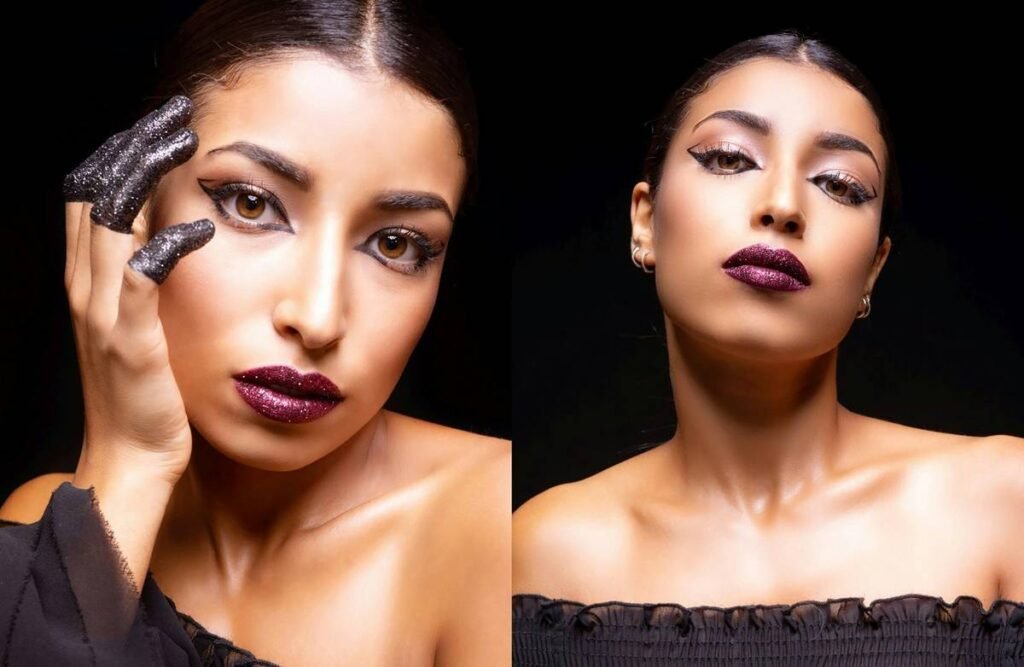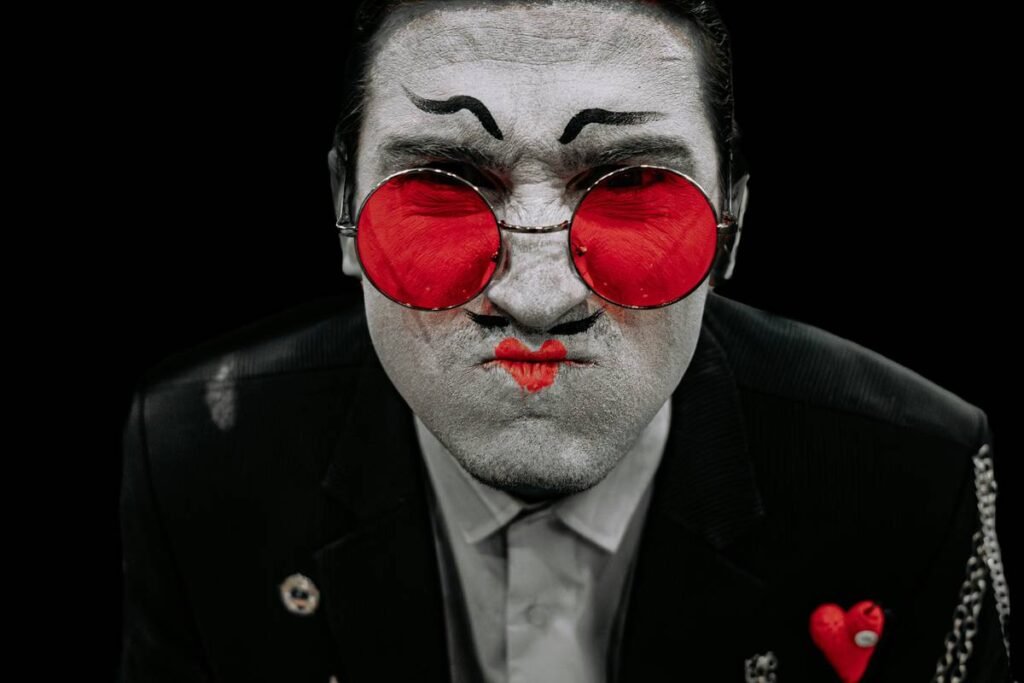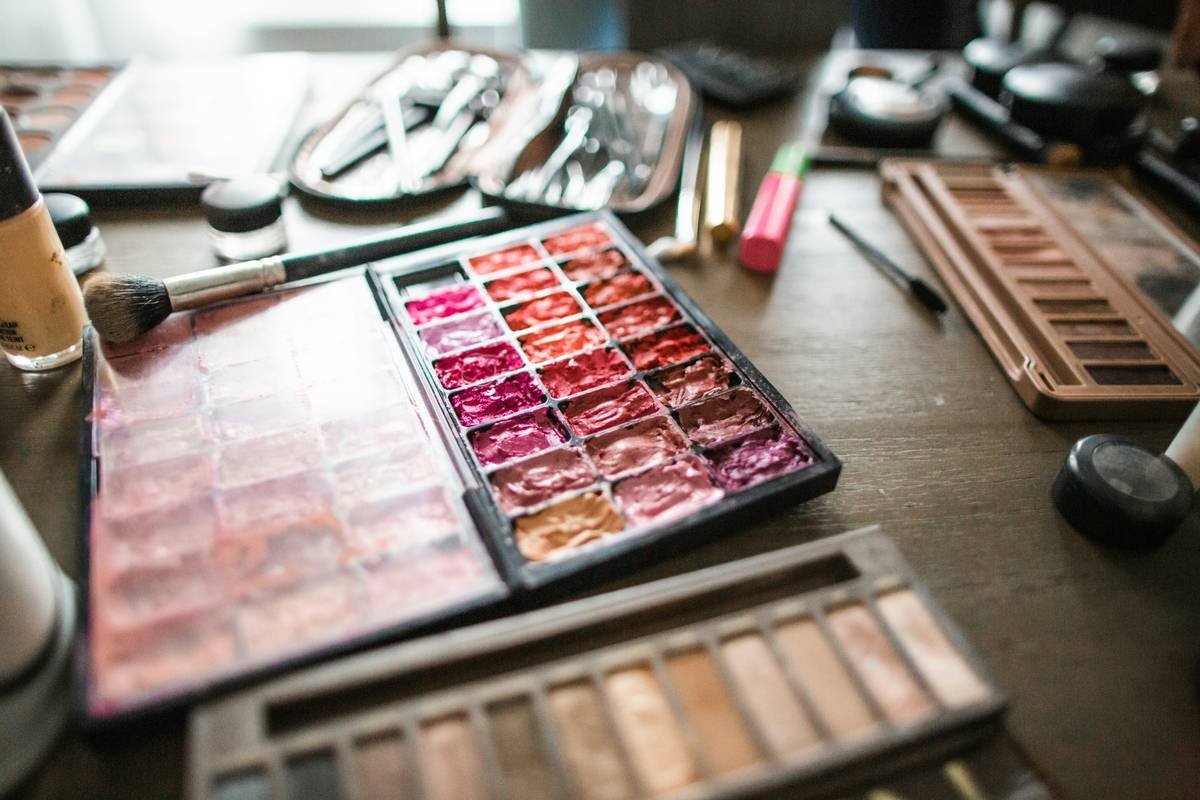
Ever spent 45 minutes painting intricate scars onto your face—only to watch them melt off under stage lights before Act II? You’re not alone. According to a 2023 survey by Theatrical Makeup Guild, nearly 68% of amateur performers report makeup failure during live performances due to using retail cosmetics instead of professional-grade stage makeup products.
If you’re diving into character makeup—whether you’re a theater student morphing into Frankenstein’s Monster or a cosplayer embodying Daenerys Targaryen—you need products engineered for sweat, spotlight, and suspension of disbelief. This guide cuts through the glittery noise. You’ll learn how to choose durable, skin-safe stage makeup products; apply them like a pro (even with shaky hands); and avoid rookie disasters that leave you looking like a smeared watercolor painting.
We’ll cover:
- Why everyday foundation fails under theatrical lighting
- The non-negotiable ingredients to look for (and avoid)
- Step-by-step application techniques for aging, fantasy, and prosthetics
- Real-world case studies from Broadway and indie productions
Table of Contents
- Why Stage Makeup Isn’t Just Heavy Foundation
- How to Choose & Apply Professional Stage Makeup Products
- Pro Tips for Long-Lasting Character Makeup
- Real-World Success Stories
- Stage Makeup FAQs
Key Takeaways
- Stage makeup products must resist heat, sweat, and intense lighting—retail makeup lacks the necessary binders and pigments.
- Alcohol-activated paints (like Skin Illustrator) offer superior durability for fantasy/scarring effects.
- A proper setting spray (e.g., Ben Nye Final Seal) is non-negotiable—skip it and kiss your contour goodbye.
- Patch test 48 hours before performance: even “hypoallergenic” formulas can irritate under stress sweat.
- Less is more with color correction—over-neutralizing leads to ashy, lifeless skin tones.
Why Stage Makeup Isn’t Just Heavy Foundation
Let’s get brutally honest: slathering on three layers of drugstore concealer won’t turn you into the Phantom of the Opera—it’ll turn you into a shiny, cakey mess by intermission. I learned this the hard way during my college production of Sweeney Todd. I used Maybelline Fit Me for my “pale Victorian undertaker” look. By Scene 3, my forehead resembled a glazed donut under the Fresnels. The director whispered, “You look less ‘ghostly,’ more ‘greasy.’” Ouch.
Stage makeup products are formulated differently. They contain higher pigment concentration, waxy or silicone-based binders for adhesion, and are often water-resistant or transfer-proof. Unlike everyday cosmetics designed for HD cameras (which flatten texture), theatrical makeup enhances dimensionality so facial features read from 50+ feet away.
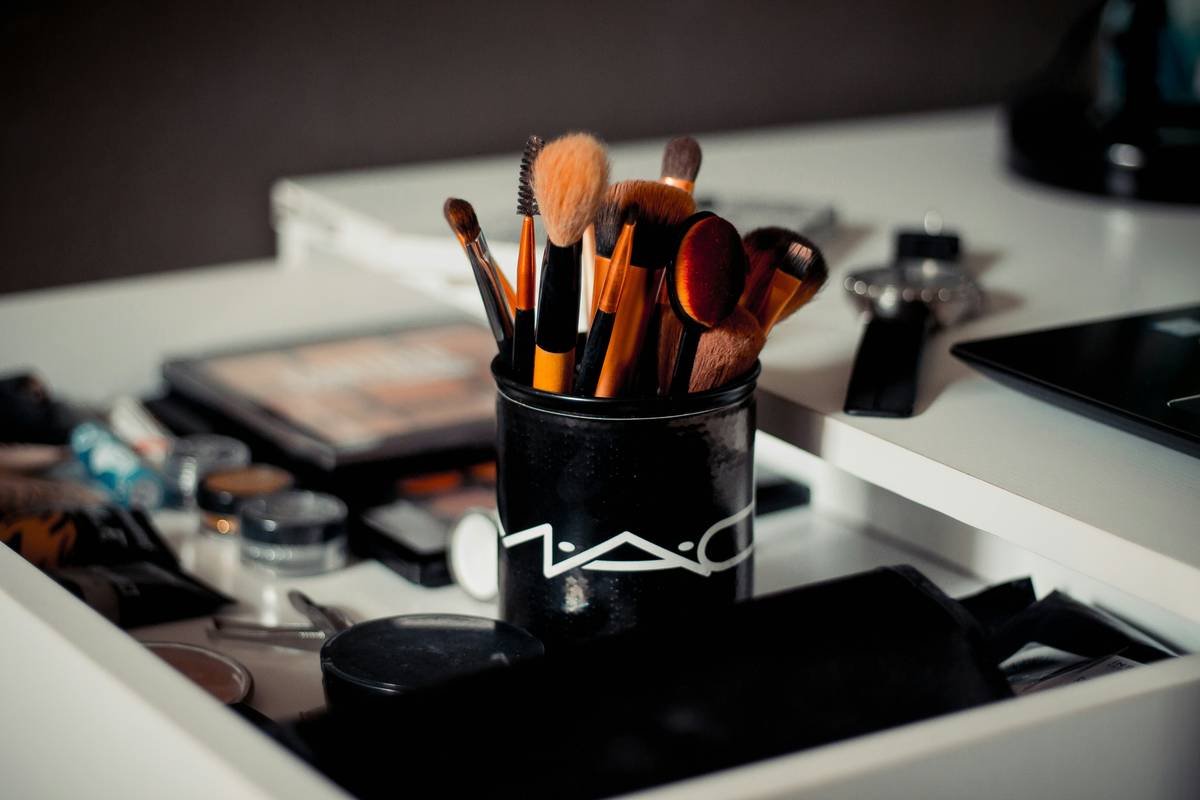
The Society of American Makeup Artists (SAMA) notes that stage formulations often include kaolin clay or silica beads to absorb sebum without dulling color—something your $12 BB cream simply doesn’t account for. Plus, lighting matters: warm tungsten vs. cool LED dramatically alters how reds and blues appear. That’s why pros always do a lighting check during tech rehearsal.
How to Choose & Apply Professional Stage Makeup Products
Step 1: Assess Your Character’s Needs
Is your role requiring aging (wrinkles, sunspots), fantasy (elf ears, scales), or injury simulation (bruises, lacerations)? Each demands different products:
- Aging: Use greasepaint sticks (e.g., Mehron Paradise AQ) for controlled line work.
- Fantasy: Alcohol-activated palettes (Skin Illustrator, TAG Body Art) bond to skin until removed with 99% isopropyl alcohol.
- Injury FX: Gelatin or silicone prosthetics paired with cream-based stippling sponges.
Step 2: Prep Like a Pro
Cleanse, moisturize (oil-free!), then apply a mattifying primer—Ben Nye’s Banana Powder works wonders here. Skipping this = makeup sliding into your eyebrows within 20 minutes. Trust me, I’ve caught my “witch nose” wandering south mid-monologue. Not cute.
Step 3: Layer Strategically
Build opacity gradually:
- Base layer with a full-coverage cream foundation (Kryolan TV Paint Stick).
- Contour with cooler-toned browns (not orange!) for depth.
- Add highlights with iridescent white—not silver—to mimic natural bone structure.
- Set EVERYTHING with translucent powder, then lock with final sealant.
Optimist You:
“This method ensures your vampire’s widow’s peak stays sharp through curtain call!”
Grumpy You:
“Ugh, fine—but only if I can chug cold brew while stippling those neck veins.”
Pro Tips for Long-Lasting Character Makeup
After 12 years in costume departments—from regional Shakespeare to Off-Broadway horror plays—here’s what actually works:
- Ditch the sponge for stippling brushes. Sponges trap moisture; synthetic brushes give controlled, buildable coverage.
- Use color theory, not Instagram trends. To neutralize ruddiness under warm lights, use green corrector—not peach. Peach cancels blue, not red.
- Carry an emergency kit: Mini bottles of setting spray, cotton swabs, black eyeliner pencil (for last-minute scar touch-ups), and blotting papers.
- Hydrate backstage—but not right before applying. Waterlogged skin repels oil-based makeup.
🚫 Terrible Tip Alert:
“Just use body paint—it’s cheaper!” Nope. Body paints (like Crayola) aren’t FDA-compliant for facial use and often contain toxic pigments. Save your skin—and your show.
Rant Corner:
Can we talk about people who skip patch tests? I once saw a lead break out in hives 10 minutes before opening night because they used a new brand of liquid latex “for realism.” Realism ≠ ER visit. Patch test. Always.
Real-World Success Stories
Case Study 1: “Hamilton” Tour Backup Dancer
Challenge: Maintain consistent bronzed glow under variable arena lighting across 30 cities.
Solution: Kryolan Supracolor palette + Mehron Barrier Spray. Result: Zero touch-ups needed during 2.5-hour shows, even in humid Houston.
Case Study 2: Indie Horror Film “The Hollow Vein”
Challenge: Create pulsating neck veins that wouldn’t smudge during fight scenes.
Solution: Skin Illustrator Red set activated with 91% alcohol, sealed with Mehron’s LiquiSet. Held up through fake blood splatter and 95°F set temps.
These aren’t just anecdotes—they’re proof that investing in professional stage makeup products pays off in performance integrity and actor confidence.
Stage Makeup FAQs
What’s the difference between greasepaint and cream makeup?
Greasepaint (traditionally oil-wax based) offers maximum opacity but requires powder setting. Modern cream makeup (like Kryolan Aquacolor) is water-activated, easier to blend, and less greasy—ideal for beginners.
Can I use stage makeup daily?
Not recommended. High pigment load and heavy binders can clog pores. Reserve for performances only.
How do I remove stage makeup safely?
Use a dual-phase remover (oil + water) like Cinema Secrets. For alcohol-activated paints, 99% isopropyl alcohol on cotton pads—then follow with hydrating balm.
Are vegan/cruelty-free stage makeup options available?
Yes! Brands like Graftobian and Mehron offer certified vegan lines. Check PETA’s database for updates.
Conclusion
Stage makeup products aren’t just “more makeup”—they’re precision tools engineered for transformation under pressure. Whether you’re crafting a subtle age progression or full-on alien morphology, choosing the right formulas, prepping correctly, and setting relentlessly makes all the difference between believable artistry and backstage panic.
Remember: great character makeup disappears. The audience sees Hamlet—not the five layers of Kryolan holding his pallor together. Now go forth, create boldly, and may your contours never crease.
Like a Tamagotchi, your stage makeup kit needs daily care—clean brushes, sealed lids, and weekly inventory checks.
Haiku for the Dressing Room:
Powder sets the lines,
Spotlight loves what sweat denies—
Art survives the heat.