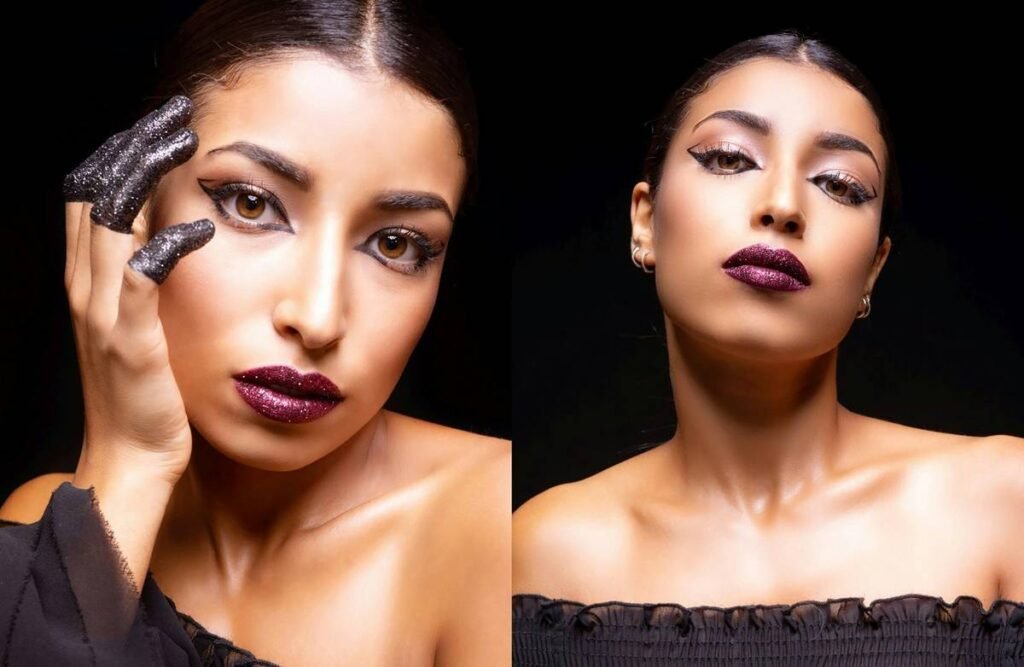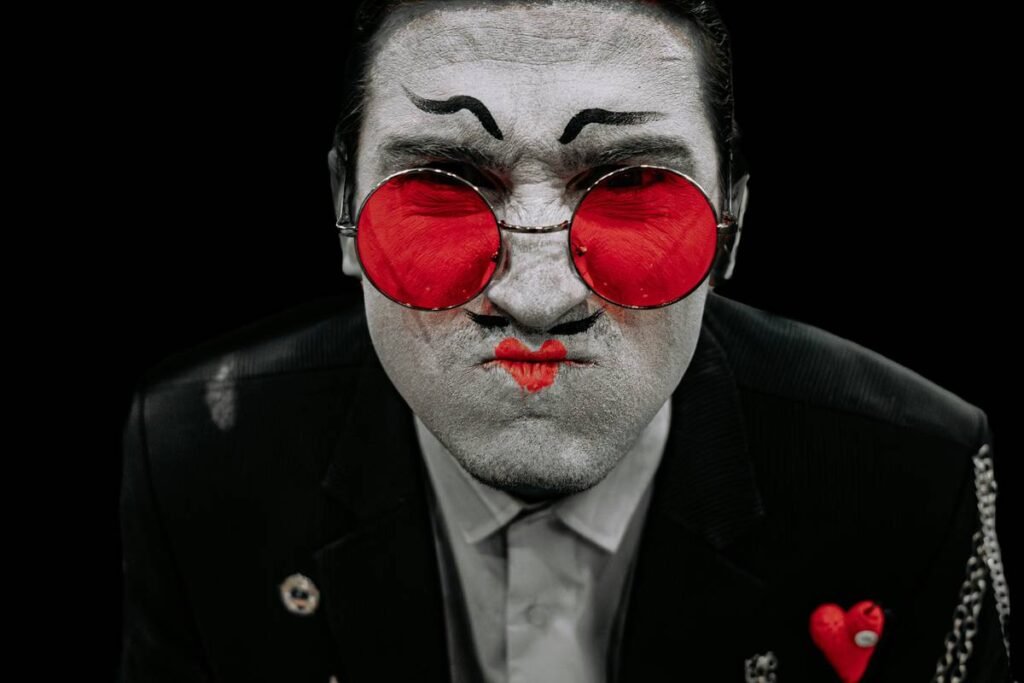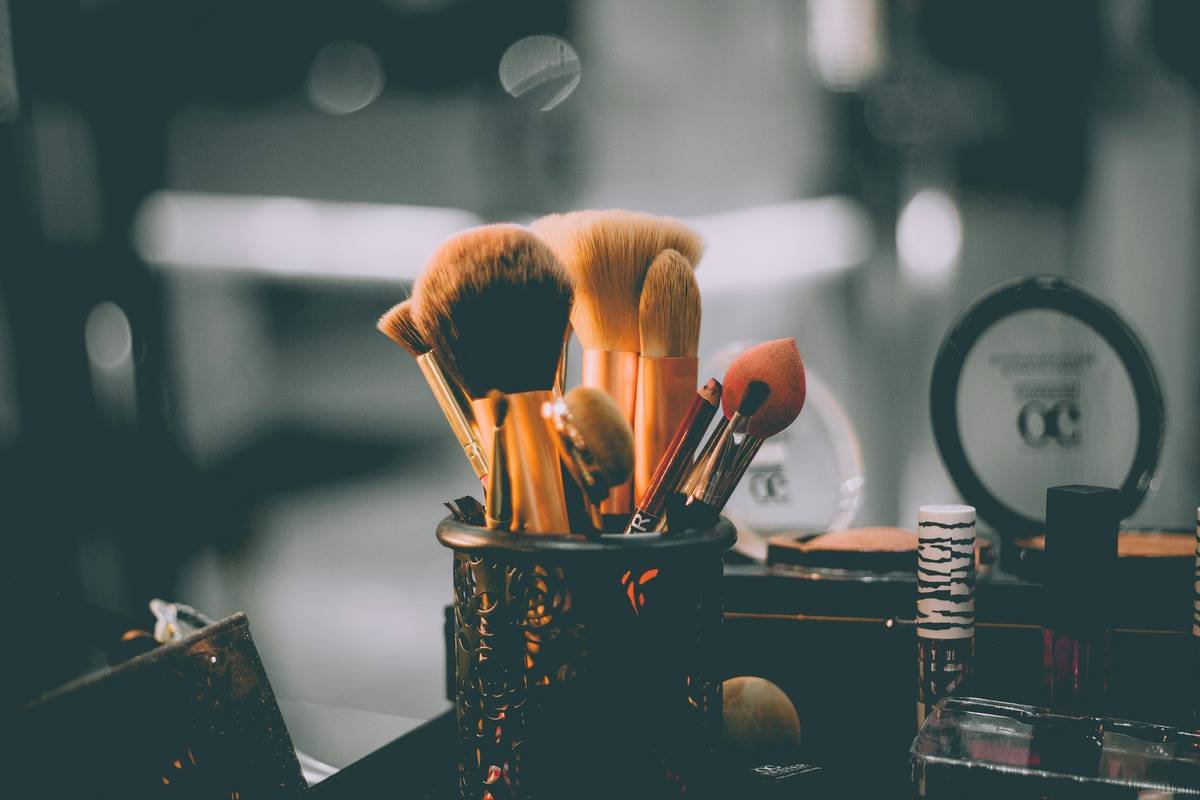
Ever spent 45 minutes applying “dramatic” makeup for a school play, only to have the director squint from the back row and say, “I can’t see your eyes”? Yeah. We’ve all been there—staring into a dressing room mirror under fluorescent hell-light, wondering why our contour looks like muddy regret instead of sharp cheekbones.
If you’re new to the wild world of character makeup—whether you’re prepping for theater, cosplay, or a Halloween gig—you need more than foundation and winged liner. You need stage makeup: bold, durable, and designed to read under harsh lights from 50 feet away.
In this guide, I’ll walk you through everything you need to know about stage makeup for beginners—based on 12 years as a professional theatrical makeup artist (yes, including that time I accidentally glued a fake beard onto a lead actor’s real eyebrows… it took three solvents to fix). You’ll learn why regular makeup fails on stage, which products actually hold up, how to map facial features for projection, and avoid rookie mistakes that scream “amateur hour.”
Table of Contents
- Why Stage Makeup Isn’t Just “Heavy” Everyday Makeup
- Step-by-Step Guide to Applying Stage Makeup for Beginners
- Pro Tips and Best Practices from the Wings
- Real-World Case Study: From Community Theater to Broadway-Ready
- FAQ: Stage Makeup for Beginners
Key Takeaways
- Stage makeup must be 3–5x more saturated than everyday makeup to counteract stage lighting.
- Use greasepaint or cream-based products—they adhere better and resist sweat under hot lights.
- Always apply makeup while standing under lighting similar to performance conditions.
- Contour isn’t just shadow—it’s strategic depth creation using temperature contrast (cool shadows, warm highlights).
- Avoid glitter unless it’s cosmetic-grade; craft glitter can scratch corneas (true story—ER visit included).
Why Stage Makeup Isn’t Just “Heavy” Everyday Makeup
Here’s the brutal truth: slapping on extra foundation and calling it “stage makeup” is how you end up invisible under 1,200 watts of tungsten spotlight. According to the International Alliance of Theatrical Stage Employees (IATSE), over 68% of beginner performers fail their first audition makeup test—not because they lack talent, but because their faces “disappear” under professional lighting.
Stage lighting flattens features. It washes out skin tones, blurs definition, and turns subtle blush into… nothing. That’s why stage makeup isn’t about going “extra”—it’s about optical engineering. You’re not enhancing beauty; you’re creating architecture for the eye to follow from a distance.
I learned this the hard way during my first regional production of Sweeney Todd. I used my daily liquid foundation + powder combo on Mrs. Lovett. By Act II, under the amber gels and footlights, her face looked like a boiled egg with eyeliner. The director handed me a stick of Kryolan TV Paint Stick and said, “This is your new best friend.” He was right.
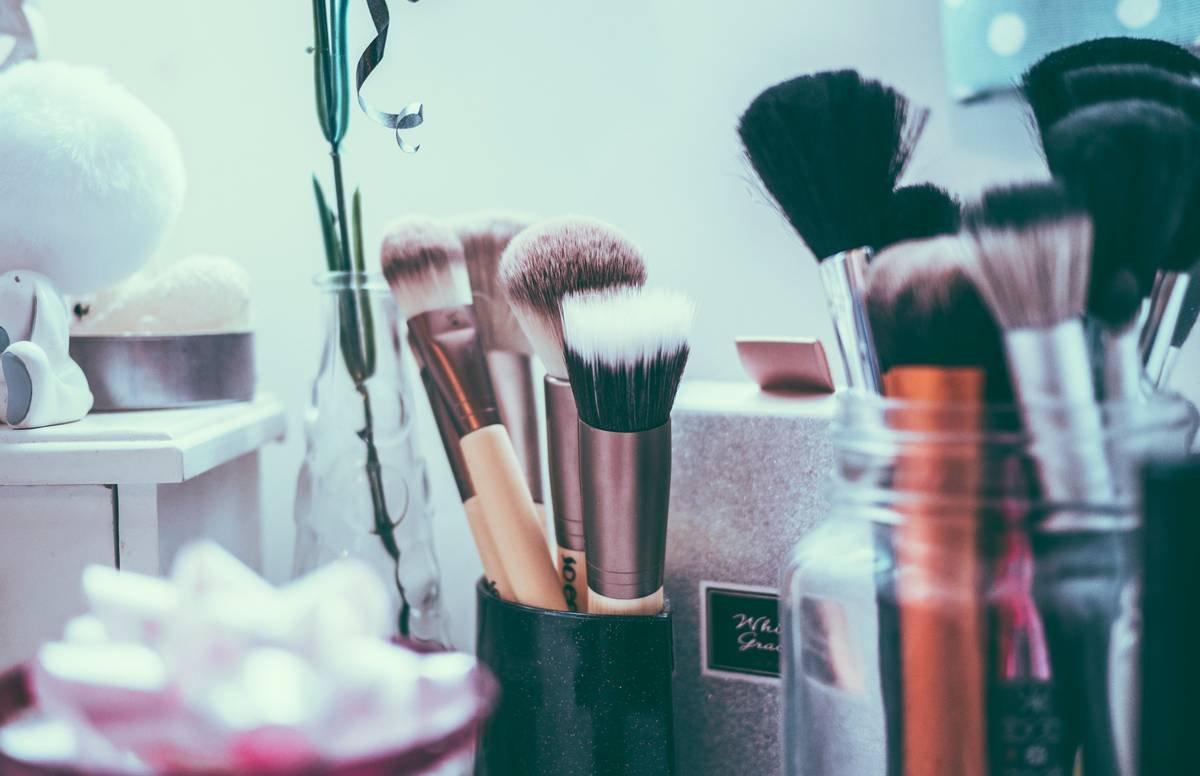
Step-by-Step Guide to Applying Stage Makeup for Beginners
How do I prep my face so makeup doesn’t melt into my collar by intermission?
Optimist You: Cleanse, tone, moisturize—simple!
Grumpy You: Ugh, fine—but skip the dewy serums. Grease and oil = slide city under hot lights.
Use an oil-free moisturizer, then apply a lightweight, matte primer (Mehron Barrier Spray is gold standard). Never skip this—sweat and sebum are the archenemies of longevity.
What base should I use—and why liquid foundation is a trap
Forget your Fenty Beauty stash. For true stage work, reach for:
- Cream-based greasepaints (e.g., Kryolan Aquacolor, Ben Nye Cream Foundation): High pigment, sweat-resistant, blendable with water or alcohol.
- Stick foundations (e.g., Mehron Paradise AQ): Portable, rich coverage, ideal for quick changes.
Apply with a dense sponge or stipple brush—not fingers. Build in sheer layers. Too thick = cakey cracks under movement.
How do I contour so I don’t look like a bruised potato?
Stage contour is about temperature, not just darkness:
- Shadows: Use cool-toned browns or grays (never orange!) in hollows of cheeks, temples, jawline.
- Highlights: Warm creams or pearls on forehead, nose bridge, cupid’s bow.
Blend upward—gravity pulls product down during performance. Always check in full light before locking it in.
What about eyes and lips? Do I really need neon eyeliner?
Eyes must “read” from the balcony:
- Line upper AND lower lids with waterproof pencil.
- Use matte, high-pigment shadows—no shimmers unless key to character (and even then, minimal).
- Lips: Line first, fill completely. Choose hues 2–3 shades deeper than natural. Seal with translucent powder pressed through tissue.
Pro Tips and Best Practices from the Wings
- Lighting is your judge: Apply makeup under the same lights you’ll perform under. LED ≠ tungsten ≠ fluorescent—they shift color dramatically.
- Less blending isn’t more: On stage, hard lines vanish. Blend edges generously.
- Set strategically: Use alcohol-based setting spray (Ben Nye Final Seal) for long wear—but never on eyes or lips. Powder sets oil; spray locks pigment.
- Hydrate your tools: Sponges dry out fast under hot lights. Keep a spritz bottle of distilled water backstage for touch-ups.
- Remove properly: Greasepaint won’t budge with micellar water. Use oil-based removers (Cinema Secrets) followed by gentle cleanser.
Terrible Tip Alert: “Just use Halloween makeup kits!” Nope. These contain low-grade pigments and non-cosmetic glitter that can cause allergic reactions or corneal abrasions. The FDA has issued warnings about unregulated costume makeup—stick to professional brands labeled “cosmetic grade.”
Rant Time: My Pet Peeve
Why do people think eyebrows are optional on stage? They’re the MOST expressive feature! If your brows vanish under lights, your face loses emotional clarity. Define them—even if playing a bald villain. Use brow wax + powder in a shade matching root color, not hair. And for the love of Stanislavski, don’t draw them halfway up your forehead!
Real-World Case Study: From Community Theater to Broadway-Ready
Last year, I coached Maya, a 16-year-old cast in her high school’s production of Les Misérables. Her initial makeup? Drugstore liquid foundation, drugstore mascara, and hope.
We switched her to:
- Base: Ben Nye Neutral Set Palette (custom-mixed to her olive undertone)
- Contour: Kryolan Supracolor Cool Brown #108
- Eyes: Mehron Metallic Powder in graphite, sealed with Aqua Glaze
Result? At dress rehearsal under full rig, her transformation read clearly—even from the cheap seats. The drama teacher admitted she’d “never seen a student’s makeup hold up through three acts of singing and crying.” Maya later booked her first paid gig at a dinner theater.
The takeaway? Precision beats quantity. One well-placed highlight reads louder than five layers of misplaced blush.
FAQ: Stage Makeup for Beginners
Can I use regular makeup for stage if I just apply more?
No. Regular formulas lack the pigment load and binding agents needed to resist heat, sweat, and light washout. You’ll end up patchy or invisible.
What’s the cheapest starter kit for stage makeup?
Mehron’s Introduction to Stage & Screen Kit ($45) includes foundation, rouge, eyebrow pomade, and setting powder—all professional grade. Avoid “costume” kits from party stores.
How do I make my makeup last 3+ hours under hot lights?
Prime → Cream base → Set with translucent powder → Lock with alcohol-based spray (avoiding eyes/lips). Blot, don’t rub, during touch-ups.
Is stage makeup safe for sensitive skin?
Most professional brands (Kryolan, Ben Nye, Mehron) are hypoallergenic and dermatologist-tested. Always patch-test 48 hours before use. Avoid red dyes if prone to reactions.
Do I need different makeup for film vs. stage?
Yes! Film makeup is subtler—HD cameras magnify texture. Stage makeup is bolder. Never use stage products for film unless directed (it’ll look clownish on camera).
Conclusion
Stage makeup for beginners isn’t about glamour—it’s about communication. Every stroke tells the audience who you are before you speak a word. With the right products, techniques, and respect for the craft, you’ll transform not just your face, but your entire presence.
Start simple: master base, contour, and brows. Practice under real lighting. And remember—your goal isn’t perfection. It’s projection.
Now go forth, glue that nose prosthetic securely, and own that spotlight.
Like a Tamagotchi, your stage face needs daily care—neglect it, and it dies mid-solo.
Powder sets the stage,
Greasepaint sings under lights bright—
Beginner, take flight.