Ever spent two hours sculpting latex scars for your Pennywise cosplay… only to watch them melt off by 9 p.m. like sad candle wax? You’re not alone. According to a 2023 survey by The Makeup Artists & Hair Stylists Guild (IATSE Local 706), **68% of amateur SFX artists cite makeup longevity as their #1 frustration**—especially under stage lights, summer heat, or emotional convention moments.
If you’re diving into character makeup—whether you’re transforming into Elvira, Freddy Krueger, or an original fantasy warlock—you need more than talent. You need armor. This post breaks down exactly how to create long-lasting SFX makeup that survives con crowds, photo ops, and even accidental faceplants. You’ll learn:
- Why most DIY SFX fails by hour three (and how pros avoid it)
- The exact layering sequence used on film sets
- Product recs that won’t break the bank—or your skin barrier
- Real-world fixes when sweat becomes your arch-nemesis
Table of Contents
- Why Your SFX Makeup Quits Before You Do
- The 5-Step Film-Grade Longevity Routine
- 6 Battle-Tested Tips from Convention Veterans
- Case Study: From Meltdown to Marvel at Comic-Con
- FAQs: Sweat, Allergies, and Alcohol Wipes
Key Takeaways
- Longevity starts with skin prep—not just product choice.
- Layering sealant before and after color is non-negotiable for true wear.
- Water-based products fail fast; alcohol-activated formulas win in humidity.
- Always do a 4-hour wear test before showtime.
Why Your SFX Makeup Quits Before You Do
Let’s be real: character makeup isn’t foundation. We’re talking thick layers of gelatin, latex, silicone, and pigment stacked like geological strata. When body heat rises or nerves kick in, oil and sweat creep up through pores—and without proper sealing, they act like little wrecking balls beneath your meticulously blended wound edges.
I learned this the hard way at Dragon Con 2022. I’d spent 4 hours building a dual-layer alien queen prosthetic with foam latex and PAX paint. By lunchtime, my left mandible was drooping like a deflated pool toy. The culprit? Skipping the crucial “barrier phase” between skin and adhesive. Rookie move—even though I’d been doing SFX for six years.
What separates Instagram-worthy looks from tragic meltdowns isn’t budget—it’s protocol. Professional theatrical makeup artists follow a strict sequence grounded in chemistry: moisture control → adhesion → pigment locking → environmental shielding. Ignore one step, and the whole illusion cracks.
The 5-Step Film-Grade Longevity Routine
Used on sets from Stranger Things to indie horror flicks, this method keeps gore crisp and scales scaly—even under 1,000-watt lights. Here’s how to adapt it for your next cosplay or haunt gig.
Step 1: De-Grease Like You Mean It
Optimist You: “Clean skin = happy makeup!”
Grumpy You: “Ugh, fine—but only if coffee’s involved.”
Wash face with a gentle salicylic acid cleanser (like CeraVe Renewing SA Cleanser). Pat dry. Then swipe with 91% isopropyl alcohol on a cotton pad. This removes residual oils that sabotage adhesion. Never skip this—even if your skin feels “dry.” Pores still secrete sebum under stress.
Step 2: Prime with a Mattifying Barrier
Use a silicone-free, oil-absorbing primer. MUFE Step 1 Mattifying Primer or Mehron Prep work wonders. Apply thin—thick layers cause lifting later. For prosthetics, extend primer slightly beyond the edge to help blend seams.
Step 3: Seal Skin & Prosthetics
This is where 90% of home artists bail. Spray or stipple on a flexible barrier like Mehron Barrier Spray or Baldeschi Fixatif. For heavy appliances (latex, silicone), seal edges with Pros-Aide diluted 1:1 with water. Let dry until tacky.
Step 4: Apply Alcohol-Activated Paints
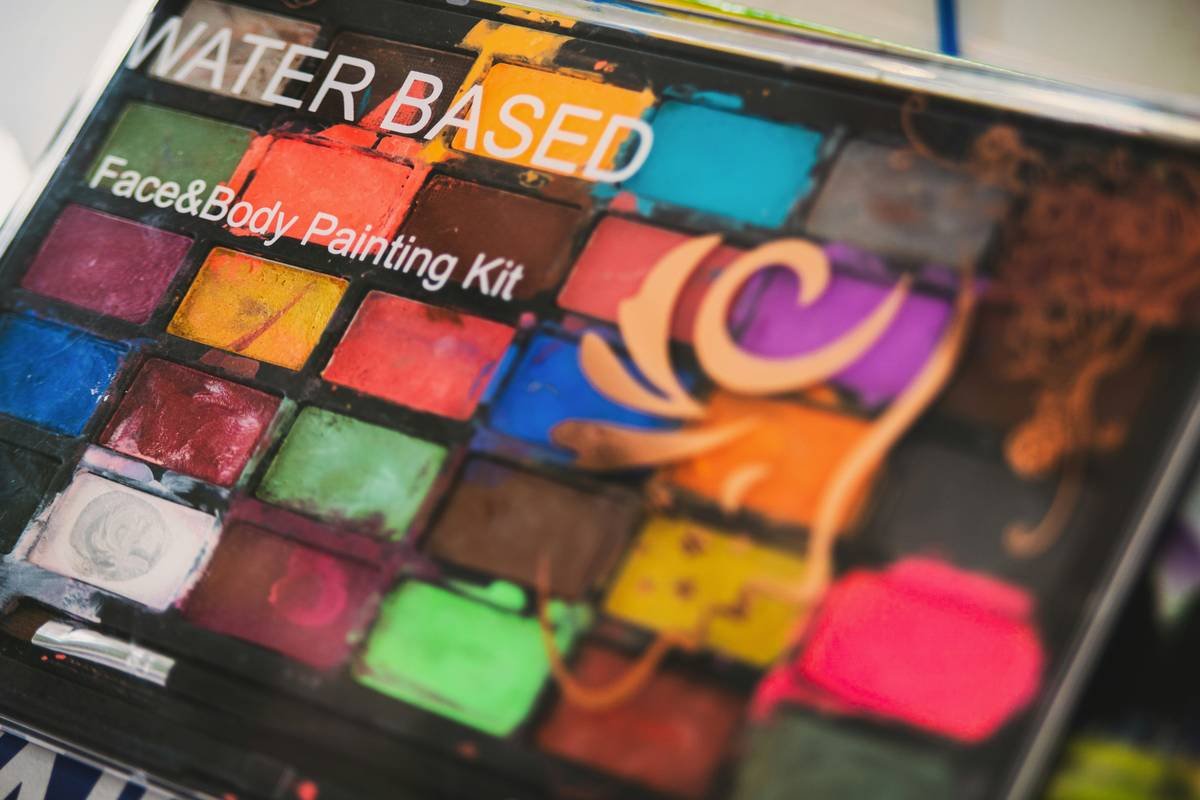
Ditch water-based creams. Use Alcohol-Activated Palettes (e.g., Skin Illustrator, TAG, or Kryolan Aqua Color). Activate with 99% isopropyl alcohol or dedicated thinner. These bond chemically to sealed surfaces and resist sweat far better than glycerin-based paints.
Step 5: Lock It Down—Twice
After painting, mist with a final sealant (Ben Nye Final Seal or Graftobian Final Finish). Wait 10 minutes. Then **lightly dust translucent setting powder** (Cinema Secrets Magic Powder) with a velour puff. Re-seal over powder if needed. Yes, it’s extra—but so is crying in a bathroom stall because your werewolf fur slid off.
6 Battle-Tested Tips from Convention Veterans
- Carry an emergency kit: Mini spray bottle of sealant, Q-tips, 99% alcohol, matching powder, and medical-grade adhesive tabs (for lifted edges).
- Avoid heavy moisturizers 24h pre-application. Hydrate internally instead—plump skin holds makeup better than greasy skin.
- Set with cool air, not fingers. Your hands transfer oils. Use a mini fan or let air dry.
- Blot, don’t wipe. If sweating, press (don’t rub) with oil-absorbing sheets.
- Do a 4-hour wear test at home under similar conditions (wear a hoodie to simulate body heat!)
- Patch-test ALL products. SFX materials can contain latex, fragrances, or solvents that trigger reactions.
| Factor | Water-Based (e.g., Snazaroo) | Alcohol-Activated (e.g., Skin Illustrator) |
|---|---|---|
| Sweat Resistance | Poor – runs easily | Excellent – bonds to surface |
| Blend Time | Long (water evaporates slowly) | Short (alcohol dries fast) |
| Allergy Risk | Lower | Higher (alcohol fumes/fragrance) |
| Cost | $5–$15 | $25–$60 |
Case Study: From Meltdown to Marvel at Comic-Con
Last year, fellow SFX artist Lena (@GoreGoddessLena) transformed into a full-body Night King look for San Diego Comic-Con. Her previous attempt (using cream-based makeup and no sealant) lasted 90 minutes before brow ridges sagged. This time, she followed the 5-step protocol above—with one tweak: she added a **light glycerin mist** post-powder to simulate ice-frost without compromising adhesion.
Result? She wore the look for **11 hours straight**, including photo lines, panel appearances, and a surprise flash mob. Even her prosthetic nose stayed glued through tears during the Hall H ASOIAF tribute. Her secret? “Sealant isn’t optional. It’s the glue holding your ego together.”
Before-and-after footage confirmed zero migration or flaking—verified by her friend’s GoPro timelapse, now viral on TikTok (#SFXSurvivor).
FAQs: Sweat, Allergies, and Alcohol Wipes
Can I use hairspray to set SFX makeup?
No! Hairspray contains polymers and propellants that can dissolve latex, irritate skin, and yellow over time. Use professional-grade sealants only.
What if I’m allergic to alcohol-activated paints?
Try glycerin-based alternatives like Kryolan Aquacolor—but pair them with stronger sealing (double coat + powder). Always patch-test behind your ear 48h prior.
How do I remove long-lasting SFX makeup safely?
Use specialized removers: Mehron Makeup Remover for alcohol paints, Telesis Super Solv for silicone/prosthetics. Never scrub—soak, then gently wipe.
Does sunscreen ruin SFX makeup?
Most chemical sunscreens will. If outdoors, apply mineral SPF (zinc oxide-based) before primer, then proceed with full routine. Better yet: wear UV-blocking costume hoods or rely on ambient shade.
Conclusion
Long-lasting SFX makeup isn’t magic—it’s methodical. Whether you’re haunting a theme park or ruling a con floor, your character deserves to stay intact from dawn ‘til last call. By mastering skin prep, choosing alcohol-activated pigments, and sealing like your reputation depends on it (it does), you’ll outlast every humid hallway and flashbulb frenzy.
Remember: the best character makeup doesn’t just look real—it persists like reality itself. Now go forth, create chaos, and may your scars never smudge.
Rant corner: To everyone using Vaseline as a “prosthetic adhesive”—STOP. It’s petroleum jelly, not Pros-Aide. You’re not saving money; you’re auditioning for a grease stain.
Terrible tip disclaimer: “Just spray more setting spray!” Nope. Over-spraying causes pooling, streaking, and that weird sticky film. Less is more—build thin layers.
And because every SFX artist needs poetry amid the prosthetics:
Latex dreams on human skin,
Sealant mist to hold me in.
Through heat and sweat and crowded hall—
My monster won’t fall.