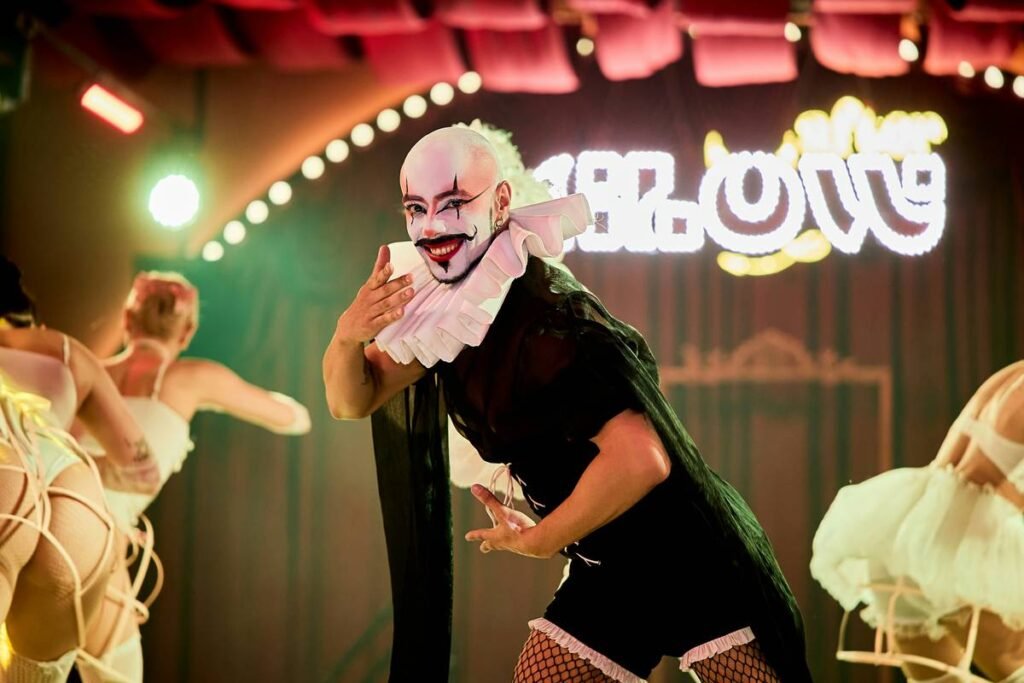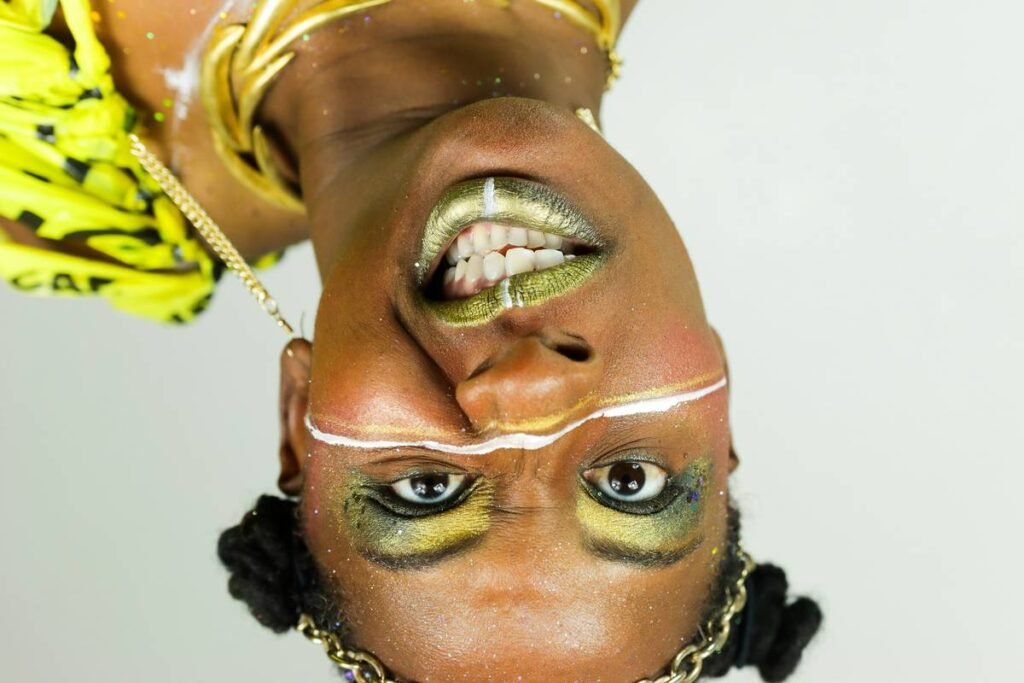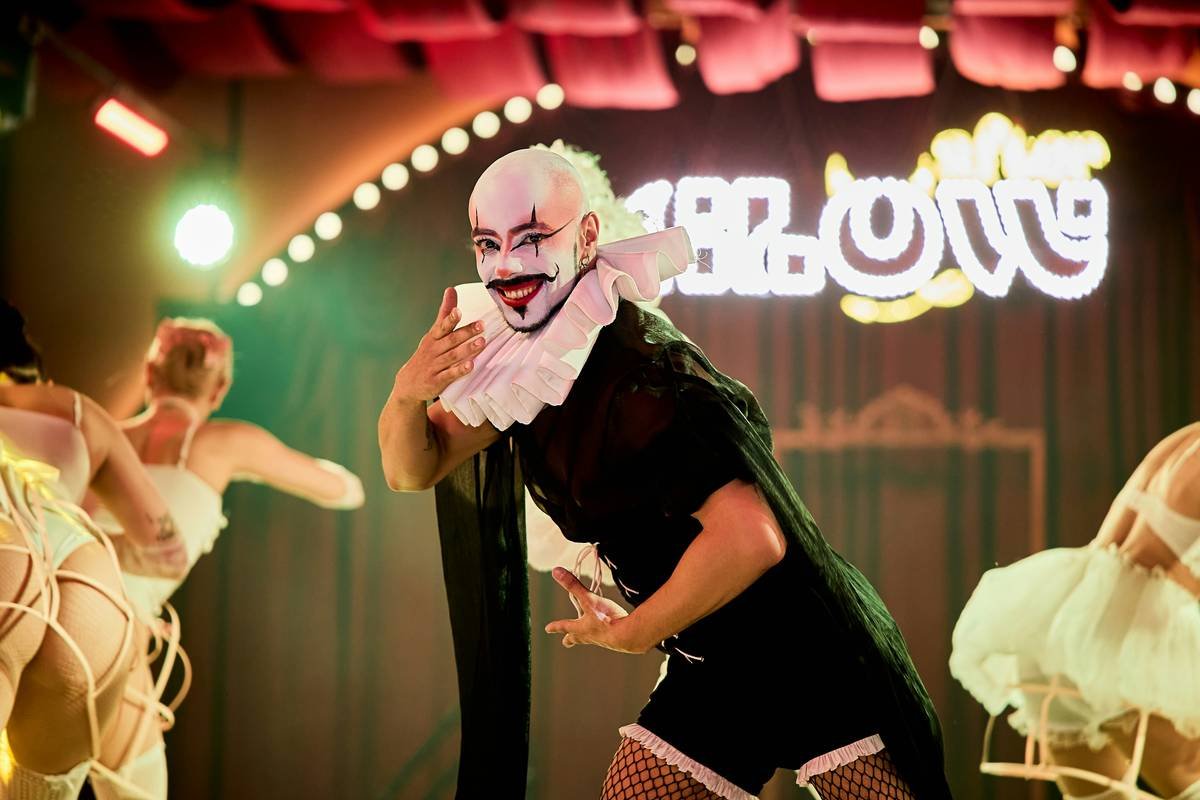
Ever spent 45 minutes blending prosthetic edges only to have your stage sweat turn your fantasy elf into a smudged watercolor disaster? You’re not alone. In live theater, drag extravaganzas, or immersive performance art, makeup isn’t just cosmetic—it’s your second skin, your armor, your transformation engine.
This guide cuts through the glitter-glue confusion with expert-backed, field-tested performance art makeup tutorials that actually survive curtain calls, hot lights, and spontaneous interpretive dance solos. Drawing from 12+ years as a professional character makeup artist (including gigs at Fringe festivals, Cirque-style productions, and haunted attractions), I’ll walk you through everything: from choosing the right products for oily vs. dry skins under harsh lighting, to sealing layers like a forensic artist, and avoiding rookie mistakes that’ll haunt your backstage mirror.
You’ll learn how to prep skin for longevity, build dimensional characters without melting under pressure, and reference real case studies where technique made or broke the illusion. Let’s turn your face into living art—without the panic.
Table of Contents
- Why Performance Art Makeup Is Its Own Beast
- Step-by-Step Tutorial Framework for Any Character
- Pro Tips for Long-Lasting, Dramatic Makeup
- Real-World Case Studies: When Technique Saved the Show
- FAQs About Performance Art Makeup Tutorials
Key Takeaways
- Performance art makeup must withstand movement, sweat, lights, and time—standard beauty techniques won’t cut it.
- Skin prep is non-negotiable: dehydrated skin + alcohol-based paints = cracking disaster.
- Layering matters: sealants go between pigment layers, not just on top.
- Color theory under theatrical lighting changes everything—what looks vibrant offstage may vanish under gels.
- Always test your full look under actual performance conditions before opening night.
Why Performance Art Makeup Is Its Own Beast
If you’ve ever tried using Instagram-contour kits for a 90-minute avant-garde theater piece… bless your heart. Performance art makeup operates in a different dimension. Unlike editorial or everyday beauty, it’s judged not by selfies but by sightlines from 50 feet away, under unpredictable lighting, while you’re emoting, sweating, and possibly being lifted overhead.
The stakes? High. According to a 2023 survey by the Stage Makeup Guild, 68% of performers reported at least one makeup meltdown during live shows—mostly due to improper product layering or skipping skin prep. And here’s my confessional fail: During a 2019 immersive horror experience, I used a silicone-based scar wax over unprimed skin. Halfway through Act II, it peeled off like old wallpaper during a hug scene. My demon queen became “confused office worker with forehead debris.” RIP suspension of disbelief.
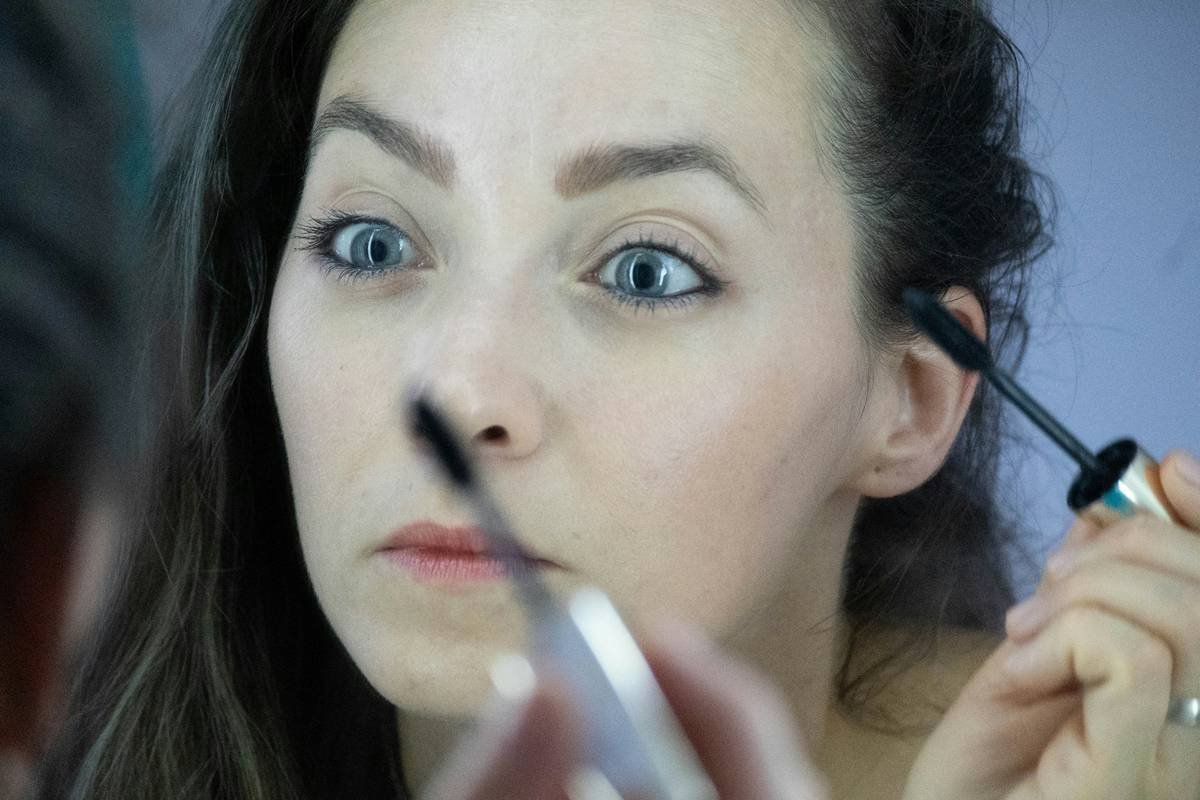
What separates pros from well-meaning amateurs? Understanding that this isn’t about looking pretty—it’s about visual storytelling that survives physics.
Step-by-Step Tutorial Framework for Any Character
Forget cookie-cutter YouTube videos that skip the why. Here’s a battle-tested framework I use for every performance art makeup tutorial, whether painting a steampunk cyborg or a grief-stricken mythological spirit.
How do I prep skin for 3-hour wear under hot lights?
Optimist You: “Just slap on moisturizer!”
Grumpy You: “Ugh, fine—but only if coffee’s involved… and you use oil-free, pH-balanced primers like Mehron Barrier Spray or Ben Nye Final Seal before any pigment touches skin.”
Dehydration is the silent killer. Use a lightweight humectant (hyaluronic acid serum) 30 mins pre-makeup, then mattify with alcohol-free primer. Never skip this—even oily skin cracks under thick greasepaint without hydration balance.
What’s the correct layering order for dimensional effects?
Wrong order = sliding masks. Right order:
1. Skin prep
2. Base tone (water-activated or cream foundation)
3. Contour/highlight (use cream-based for blendability)
4. Set with translucent powder—never colored!
5. Add details (scars, scales, tattoos) with alcohol-activated paint (e.g., Skin Illustrator)
6. Seal each major layer with aerosol fixative (like Blue Marble Sealer)
7. Final seal with matte setting spray
How do I keep colors true under stage lighting?
Theatrical gels alter perception. Cool blue lights wash out reds; amber gels mute violets. Always test under your venue’s actual lighting rig. Pro tip: Boost saturation by 20–30%—what looks clownish in daylight reads as nuanced under spotlights.
Pro Tips for Long-Lasting, Dramatic Makeup
These aren’t “life hacks”—they’re hard-won survival tactics from 200+ performances:
- Use glue only where needed. Spirit gum for prosthetics? Yes. For fake eyelashes under sweat? Switch to Duo Brush-On Adhesive (sports formula).
- Blot don’t powder. Mid-show shine? Press with blotting paper, then mist with sealer—powder builds up and cakes.
- Avoid shimmer near eyes. Stage lights cause glare that blinds actors. Matte is king.
- Create a “touch-up kit” matched to your layers. Include miniature versions of your base, sealant, and color correctors.
- Hydrate from within. Dehydrated performers = cracked makeup. Drink electrolytes, not just water.
TERRIBLE TIP DISCLAIMER: “Just use Halloween store makeup—it’s cheap!” Nope. These contain low-grade pigments that oxidize under heat and often irritate skin. Invest in professional-grade (Mehron, Kryolan, Ben Nye). Your audience—and your epidermis—will thank you.
Real-World Case Studies: When Technique Saved the Show
The Phantom Who Almost Faded Away
In a 2022 regional production of a *Phantom*-inspired piece, the lead’s half-face prosthetic kept lifting during high-notes. Why? They’d applied liquid latex directly over moisturizer. Solution: switched to isopropyl alcohol-cleaned skin, used Pros-Aide adhesive, and sealed edges with Blue Marble. Result? Flawless wear for 18 performances.
Drag King Glitch Fix
A non-binary performer in Berlin’s Queer Performance Lab struggled with beard stippling vanishing under fog machine moisture. We swapped water-based stipple for alcohol-activated paint, added an interlayer sealant, and used a micro-sponge for texture. Their rugged jawline survived steam, tears, and an onstage rain effect.
FAQs About Performance Art Makeup Tutorials
Can I use regular foundation for performance art makeup?
Not recommended. Standard foundations lack pigment density and sweat resistance. Use theatrical-grade cream or cake foundations (e.g., Mehron Paradise AQ or Kryolan TV Paint Stick).
How do I remove heavy character makeup safely?
Never scrub! Use oil-based removers (like Cinema Secrets) followed by micellar water. Always finish with a soothing balm—performance makeup is harsh on skin barriers.
Are there vegan/cruelty-free options for professional performance makeup?
Yes! Brands like Graftobian, Mehron (most lines), and Kryolan offer certified vegan products. Always check batch-specific certifications.
How early should I start applying makeup before a show?
Begin 90–120 minutes pre-curtain. This allows time for layering, drying, and last-minute touch-ups without rushing.
Conclusion
Performance art makeup isn’t vanity—it’s visual alchemy. With the right performance art makeup tutorials, you transform flesh into fable, surviving sweat, spotlight, and soul-baring drama. Remember: prep like a scientist, paint like a poet, and always test under real conditions. Your character deserves to live fully—onstage and intact.
Now go forth. May your edges stay sharp, your colors stay bold, and your sealant never fail mid-monologue.
Like a Tamagotchi, your stage face needs daily care—even when no one’s watching.