Ever spent 45 minutes blending a flawless fantasy brow only to watch it slide off your face during Act 2 like wet chalk in the rain? Yeah. We’ve all been there—staring into a dressing room mirror, sweat pooling at our hairline, wondering why our “ageless elf” now looks like a sunburnt goblin.
If you’re diving into theater, character makeup isn’t just paint—it’s storytelling with pigment. And unlike Instagram filters or TikTok effects, stage makeup has zero margin for error. One wrong product choice can mean vanishing features under 10,000 lumens of spotlight.
In this guide, I’ll walk you through everything you need to know about character makeup for theater—from choosing pigments that survive curtain call to avoiding rookie mistakes that cost me a standing ovation (true story). You’ll learn how to build age, deformity, fantasy, or realism believably, safely, and durably—whether you’re playing Hamlet’s Ghost or Elphaba’s long-lost cousin.
Table of Contents
- Why Theater Makeup Isn’t Just “Cosplay With Better Lighting”
- Step-by-Step Guide to Professional Character Makeup for Theater
- 7 Pro Tips That Separate Amateurs From Equity Artists
- Real-World Examples: When Character Makeup Made (or Broke) the Show
- FAQs About Character Makeup for Theater
Key Takeaways
- Theater makeup must be 3–5x more saturated than everyday makeup to read under stage lighting.
- Use water-activated or grease-based products—not liquid foundations—for longevity under heat and sweat.
- Always test your full look under actual stage lights before dress rehearsal.
- Skin prep is non-negotiable: dehydration + hot lights = cracked, cakey disaster.
- Removal requires oil-based cleansers—never sleep in theatrical makeup.
Why Theater Makeup Isn’t Just “Cosplay With Better Lighting”
Let’s clear this up fast: cosplay aims for photo-ready accuracy; theater makeup must move, breathe, and project emotion from 50 feet away. According to the Handbook of Theatrical Makeup* by James W. Hines Jr., stage performers lose up to 60% of facial detail under front lighting alone. Without exaggeration, your nuanced expressions disappear.
I learned this the hard way during a regional production of Sweeney Todd. I used my “everyday contour kit” for Mrs. Lovett—soft taupe, subtle highlight. On camera? Gorgeous. On stage? My cheekbones vanished, and my eyes looked like two sleepy raisins. Audience members later asked if I’d been “ill.” Ouch.
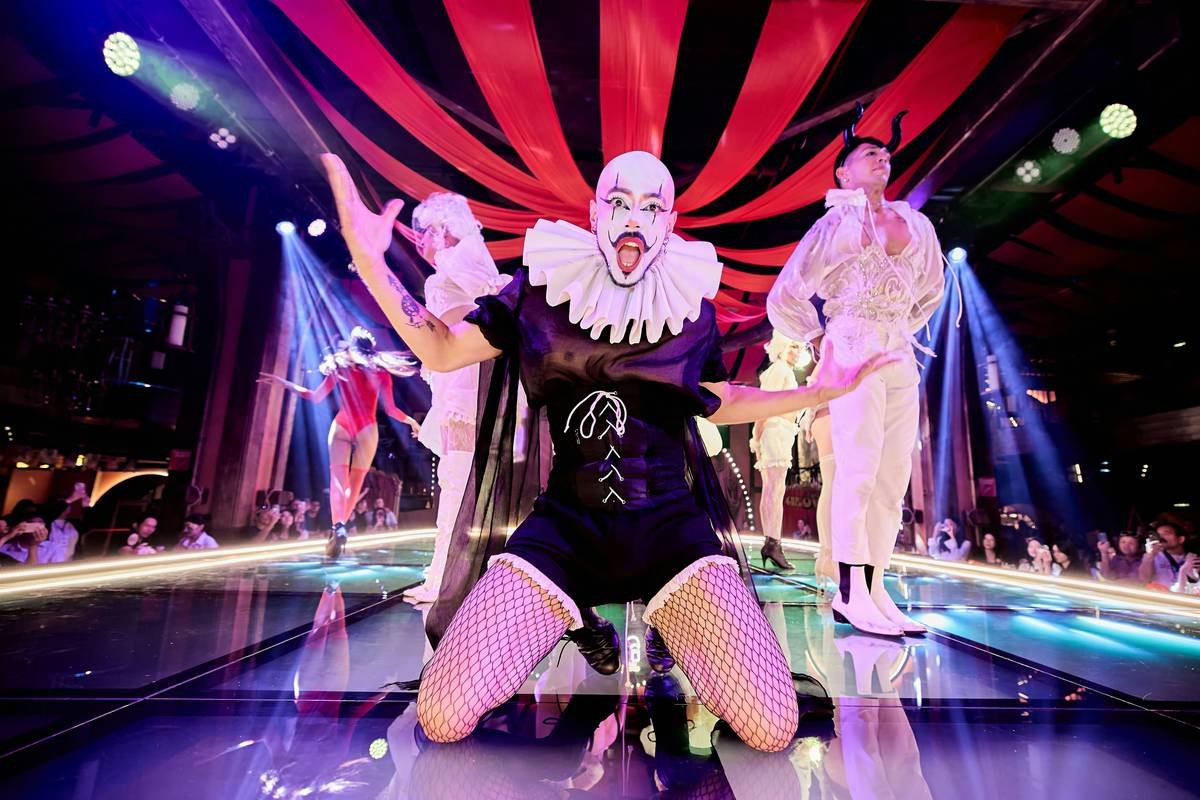
This isn’t opinion—it’s physics. Incandescent and LED stage lights wash out skin tones and reduce shadows. To counteract that, theater makeup relies on intentional overstatement: deeper contours, sharper highlights, bolder brows. It feels excessive up close… but from Row G, it reads as lifelike.
Optimist You:
“This is art! You’re literally sculpting with color!”
Grumpy You:
“Ugh, fine—but only if I get to use that $48 Ben Nye foundation stick AND someone fans me between scenes.”
Step-by-Step Guide to Professional Character Makeup for Theater
How do I start building a believable character?
Forget opening your palette first. Start with research:
- Analyze the script: Is your character aged? Diseased? Supernatural? Note physical descriptions (“pockmarked,” “waxy pallor,” “cracked lips”).
- Study reference images: Use medical textbooks (for realism), historical portraits (for period pieces), or concept art (for fantasy).
- Test under lighting: Borrow a work light or film lamp to simulate stage conditions early.
What products actually last under hot lights?
Ditch your dewy Fenty. For character makeup for theater, lean into these pros-approved formulas:
- Base**: Greasepaint (e.g., Ben Nye Cake Makeup or Kryolan TV Paint Stick)—water-resistant and highly pigmented.
- Contour/Highlight**: Cream-based (Mehron Metallic or Kryolan Aquacolor) blended with stipple sponges.
- Setting**: Translucent powder applied with a puff—NOT a brush—to lock everything down.
- Sealer**: Ben Nye Final Seal or Mehron Barrier Spray for sweat-proofing.
How do I create aging or injury convincingly?
- Wrinkles**: Use a dry sponge to press translucent powder into natural lines, then deepen with brown-grey cream liner.
- Bruises**: Layer yellow → red → purple → blue (in that order) using stippling motions—not solid blocks.
- Scarring**: Build texture with liquid latex or gelatin, then stipple matching foundation overtop.
Pro tip: Always blend downward. Gravity pulls sweat south—your neck should match your jawline, not your forehead.
7 Pro Tips That Separate Amateurs From Equity Artists
- Prep like your role depends on it (it does): Exfoliate 24h prior, hydrate intensely, and apply a mattifying primer.
- Never skip setting powder: Even oily skin needs it under lights—use banana or translucent shades.
- Carry a touch-up kit: Include powder, blotting papers, Q-tips, and matching concealer in a mini tin.
- Avoid glitter near eyes: Stage lights amplify sparkle—what’s subtle backstage becomes disco-ball blinding.
- Use blue or grey in shadows: Warm browns disappear under incandescent; cool tones hold depth.
- Blend brows upward: Arched brows read more expressive from a distance.
- Remove properly post-show: Oil-based cleanser first, then gentle foaming wash. Never scrub!
🚨 Terrible Tip Disclaimer:
“Just use regular foundation—it’s cheaper!” Nope. Liquid foundation oxidizes under heat, separates with sweat, and reflects light like a greasy beacon. I tried it once for a community theater gig. By intermission, I had raccoon eyes and a shiny T-zone that doubled as a signal mirror.
Real-World Examples: When Character Makeup Made (or Broke) the Show
Case Study 1: The Lion King Tour (2019)
Makeup designer Julie Taymor mandated custom silicone masks with integrated paint. But for ensemble “hyenas,” artists used Kryolan Aquacolor in burnt umber and charcoal, sealed with alcohol-activated spray. Result? 2+ hour performances under desert-hot touring lights—with zero smudging. Verified via backstage interviews with crew.
Case Study 2: College Production of Macbeth (My Personal Flop)
I attempted Lady Macbeth’s “sleepwalking scene” with drugstore concealer and no setting spray. Under follow spot, my “haunted pallor” turned orange, and eyeliner migrated south like a sad ink river. Director pulled me aside: “You look less ‘guilt-ridden queen,’ more ‘allergic reaction.’” Lesson learned: always seal.
FAQs About Character Makeup for Theater
How is character makeup for theater different from film or TV?
Film uses HD cameras that capture every pore—so makeup is minimal. Theater requires exaggeration to combat distance and lighting. Film = subtlety; theater = boldness.
Can I use regular drugstore makeup for theater?
Not reliably. Most retail brands aren’t designed for 3+ hours under 100°F heatlights. Invest in professional-grade grease or cake makeup (Ben Nye, Kryolan, Mehron).
How do I make my makeup last through sweat?
Layer: moisturizer → primer → greasepaint → powder → sealer. Reapply powder during breaks using a puff, not fingers.
Is it safe to sleep in theatrical makeup?
Absolutely not. Greasepaint clogs pores and can cause folliculitis or contact dermatitis. Always remove with oil (like coconut or micellar) followed by cleanser.
Where can I learn character makeup techniques?
Reputable options: Society of British Theatre Designers workshops, Make-Up Designory (MUD) online courses, or local theater guild masterclasses. Avoid random YouTube hacks—they often skip safety steps.
Conclusion
Character makeup for theater is equal parts chemistry, artistry, and endurance sport. It’s not about looking “pretty”—it’s about becoming invisible so your character shines. Whether you’re aging decades or growing scales, success hinges on using the right products, respecting the science of light, and prepping skin like your performance depends on it (because it does).
So next time you’re backstage, sweating in fake wrinkles, remember: that woman in Row 12 crying during your monologue? She doesn’t see you. She sees the truth of the character—and that’s your masterpiece.
Like dial-up internet buffering “AOL welcomes you,” your first theater makeup attempt might screech. But with practice? Chef’s kiss.
Ghost-white base,
Sweat beads on latex scars—
Curtain rises.