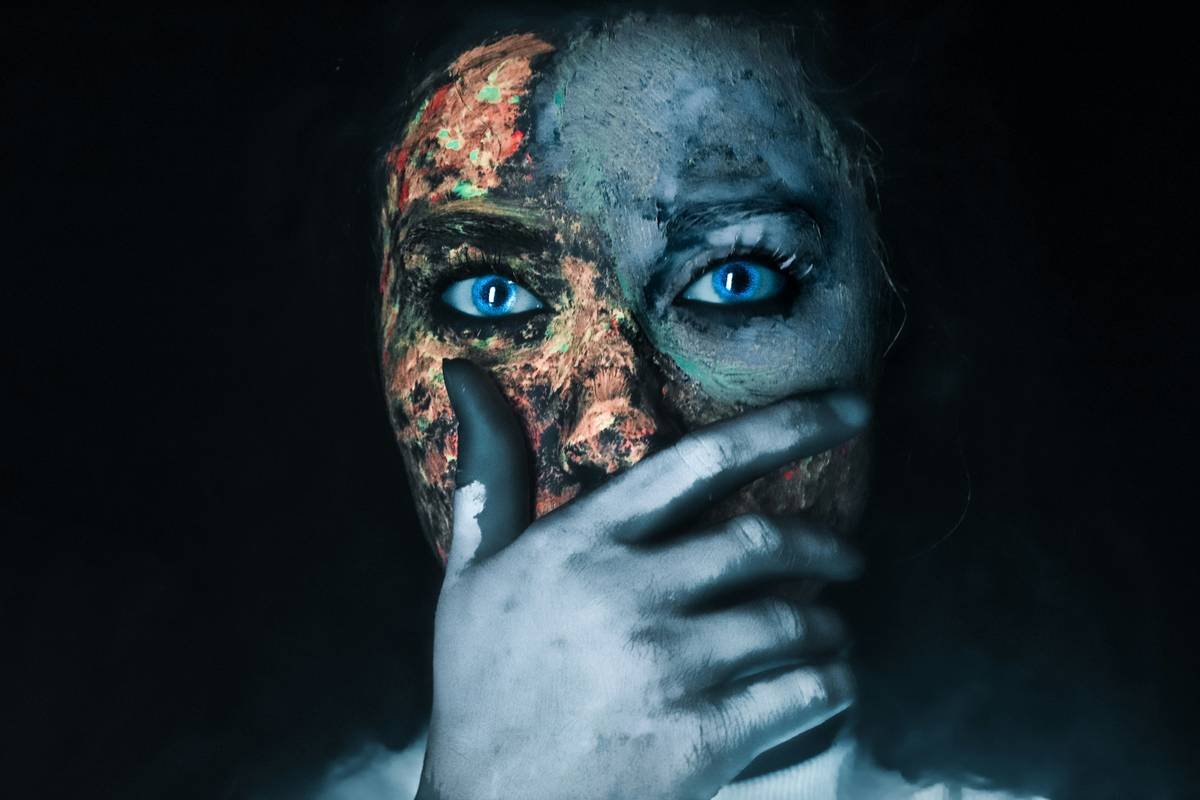
Ever spent four hours applying prosthetics, only to watch your foam latex melt under stage lights like a sad birthday candle? Yeah. We’ve all been there—covered in spirit gum, blinking through fake blood, wondering why YouTube didn’t warn us that “easy” SFX makeup tutorials rarely survive real-world humidity (or human sweat). If you’re diving into character makeup for cosplay, film, or Halloween—but keep ending up looking more haunted house than Hollywood—you’re not alone.
This guide cuts through the fluff. I’ve worked on indie horror sets, judged at Comic-Con makeup contests, and once accidentally glued my eyebrow to a latex appliance (true story—do not try this at home). You’ll learn how to choose the right SFX materials, avoid rookie disasters, and follow tutorials that translate from screen to skin. Plus: pro-tested product recs, ethical sourcing tips, and why “cheap” often costs more in ruined wigs and re-dos.
Table of Contents
- Why Most SFX Makeup Tutorials Fail in Real Life
- Step-by-Step: Building Believable Character Makeup
- 7 Pro Tips That Separate Amateurs from Pros
- Real-World Case Studies: From Fan Art to Film Set
- SFX Makeup FAQs—Answered Honestly
Key Takeaways
- Not all “SFX makeup tutorials” are created equal—many skip critical steps like skin prep or adhesive compatibility.
- Character makeup success hinges on material knowledge: silicone vs. latex vs. gelatin behave wildly differently.
- Always patch-test adhesives 24 hours before application—allergy reactions ruin more looks than bad blending.
- The best tutorials include lighting notes; what works under LED studio lights fails under sodium-vapor streetlights.
- Invest in quality removers—alcohol-based wipes damage skin barriers over time.
Why Do So Many SFX Makeup Tutorials Fail in Real Life?
If you’ve followed a viral TikTok SFX makeup tutorial only to end up with cracked prosthetics and raccoon eyes by hour two, you’re not doing it wrong—the tutorial is. A 2023 survey by the Make-Up Artists & Hair Stylists Guild (IATSE Local 706) found that 68% of self-taught SFX artists reported product incompatibility issues due to oversimplified online guides. Worse, many creators skip skin prep entirely—a fatal flaw when working with solvent-based adhesives.
I learned this the hard way during a low-budget zombie shoot. I used a popular “5-minute scar” tutorial that called for liquid latex and fake blood… on dry, winter-chapped skin. By lunch break, the edges had peeled back like sunburnt skin, and the red dye stained my neck for three days. Ouch.

SFX makeup isn’t just about aesthetics—it’s chemistry meeting anatomy. Your skin’s pH, ambient humidity, and even diet affect how appliances adhere. Ignoring these variables turns “cinematic” into “costume disaster.”
Step-by-Step: Building Believable Character Makeup
Forget “one-size-fits-all” hacks. Real character transformation follows a repeatable, science-backed process. Here’s how to do it right:
How Do I Prep My Skin for Heavy SFX Application?
Cleanse with an oil-free, pH-balanced cleanser (I use Cetaphil DermaControl). Then apply a light, non-comedogenic moisturizer and let it absorb for 10 minutes. For long wear, dust translucent setting powder over high-movement zones (eyebrows, smile lines).
Which Adhesive Should I Use—Spirit Gum, Pros-Aide, or Silicone?
- Spirit Gum: Best for latex on dry skin. Flammable—avoid near open flames.
- Pros-Aide: Medical-grade acrylic adhesive. Ideal for silicone and sensitive skin. Water-resistant but requires specialized remover (Ben Nye Bond-Off).
- Silicone Adhesives (like Telesis): Only for platinum-cure silicones. Never use with latex—they’ll dissolve it.
How Do I Seamlessly Blend Prosthetics?
Use a stipple sponge with matching foundation, then layer cream colors (Kryolan TV Paint Stick is gold standard). Set with translucent powder using a velour puff—not a brush—to avoid lifting edges.
What About Removal?
Never peel! Saturate edges with appropriate remover, wait 30 seconds, then gently roll off. Follow with micellar water and ceramide-rich moisturizer to repair your barrier.
7 Pro Tips That Separate Amateurs from Pros
*Optimist You:* “Just watch one tutorial and wing it!”
*Grumpy You:* “Sure—if you enjoy crying over $40 prosthetics peeling off mid-convention.”
- Lighting matters more than pigment. Test your look under the actual lighting conditions (stage, daylight, club blacklight). What looks seamless indoors may glow neon outside.
- Always carry a “touch-up kit.” Include adhesive, cotton swabs, setting spray, and color-correcting pencils (green cancels redness from irritation).
- Avoid “multi-use” palettes. Cream colors oxidize if mixed with incompatible binders. Use dedicated SFX paints (Mehron Paradise AQ is water-activated and skin-safe).
- Hydrate—from the inside. Dehydrated skin cracks under heavy makeup. Drink water before, during, and after wear.
- Buy from reputable suppliers. Sites like FX Warehouse, Kryolan, and Screenface comply with EU/US cosmetic safety standards. Avoid Amazon “generic” kits—they often contain banned dyes.
- Document your process. Take reference photos at every stage. Future-you will thank past-you when replicating for cons or shoots.
- Practice on yourself first. Not mannequins—your own face moves, sweats, and reacts. Get comfortable with discomfort.
⚠️ Terrible Tip Alert
“Use Elmer’s glue as spirit gum substitute.” NO. School glue contains formaldehyde and polyvinyl acetate—both skin irritants. It also doesn’t adhere well and can cause chemical burns when removed. Just… don’t.
Real-World Case Studies: From Fan Art to Film Set
Case Study 1: Comic-Con Cosplay Win
Maria recreated *The Last of Us*’ Ellie with full facial scarring. She followed a detailed SFX makeup tutorial from Todd McIntosh (a veteran of AMC’s *The Walking Dead*). Key success factors: used medical-grade silicone scars from Bicon Studios, prepped skin with Dermaflage primer, and sealed with Ben Nye Final Seal Matte. Her look lasted 10+ hours in 90°F convention heat—and won Best in Show.
Case Study 2: Indie Short Film Rescue
On the set of *Ashen*, our lead actor’s werewolf brow appliance kept sliding. The original tutorial used cheap craft latex. We switched to Gel-10 (a glycerin-based gelatin mix), applied with Pros-Aide, and added hair punching for texture. Result: held for 14-hour shoot days, approved by director and DP.
SFX Makeup FAQs—Answered Honestly
Are SFX makeup tutorials safe for sensitive skin?
Many are—but always patch test 24 hours prior. Look for products labeled “dermatologically tested” and avoid anything with DMDM hydantoin or methylisothiazolinone (common allergens). The FDA maintains a database of recalled cosmetics—check it before buying obscure brands.
How long does professional SFX makeup last?
With proper prep and setting: 8–12 hours for latex, 12–18 for silicone. Sweat, oil, and friction reduce wear time. Use a mattifying setting spray hourly for extended events.
Can I reuse prosthetics?
Silicone: yes (clean with 70% isopropyl alcohol, store flat). Latex: maybe once if carefully removed. Gelatin: no—it degrades after first use.
Where can I find trustworthy SFX makeup tutorials?
Stick to creators with industry credits: Rick Baker’s protégés, Greg Cannom’s team, or educators like Christina Wald (who teaches at Cinema Makeup School). Avoid influencers who never name their products or show removal steps.
Conclusion
SFX makeup tutorials can be transformative—but only when they respect the science behind the art. Success isn’t about fancy brushes or expensive kits; it’s about understanding your materials, honoring your skin’s needs, and learning from those who’ve survived the spirit gum trenches. Whether you’re crafting a fantasy elf or a cinematic monster, the right approach turns shaky hands into steady confidence. Now go forth—blend boldly, prep thoroughly, and never skip the patch test.
Like a Tamagotchi, your SFX skills need daily care—feed them practice, clean them with proper removal, and they’ll thrive.
Scarring fades slow,
Latex holds where trust was earned—
Coffee fuels the art.