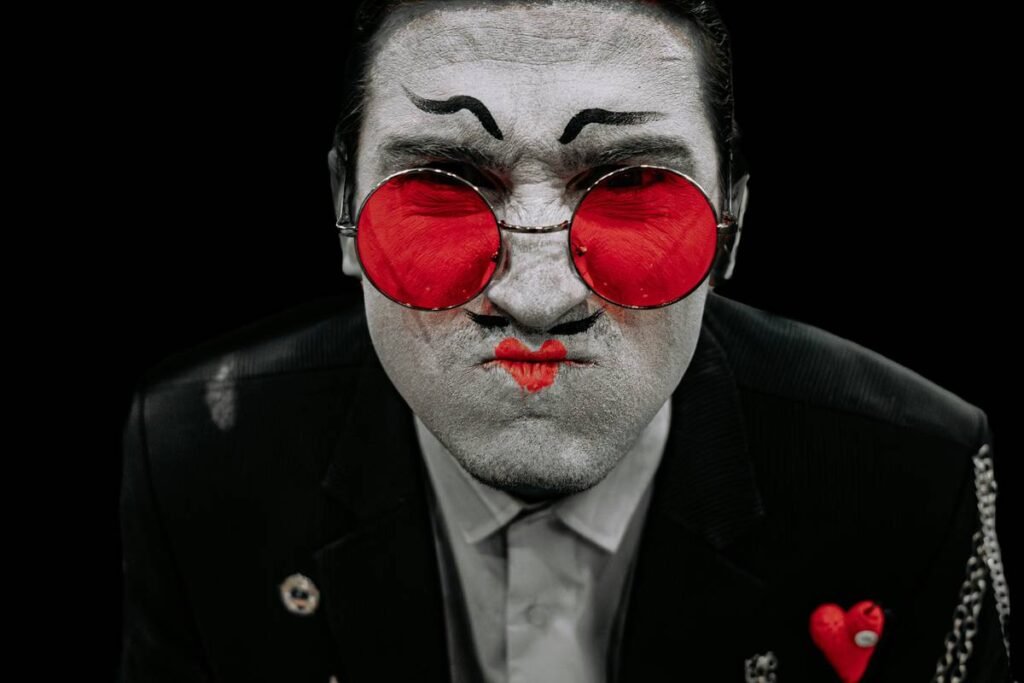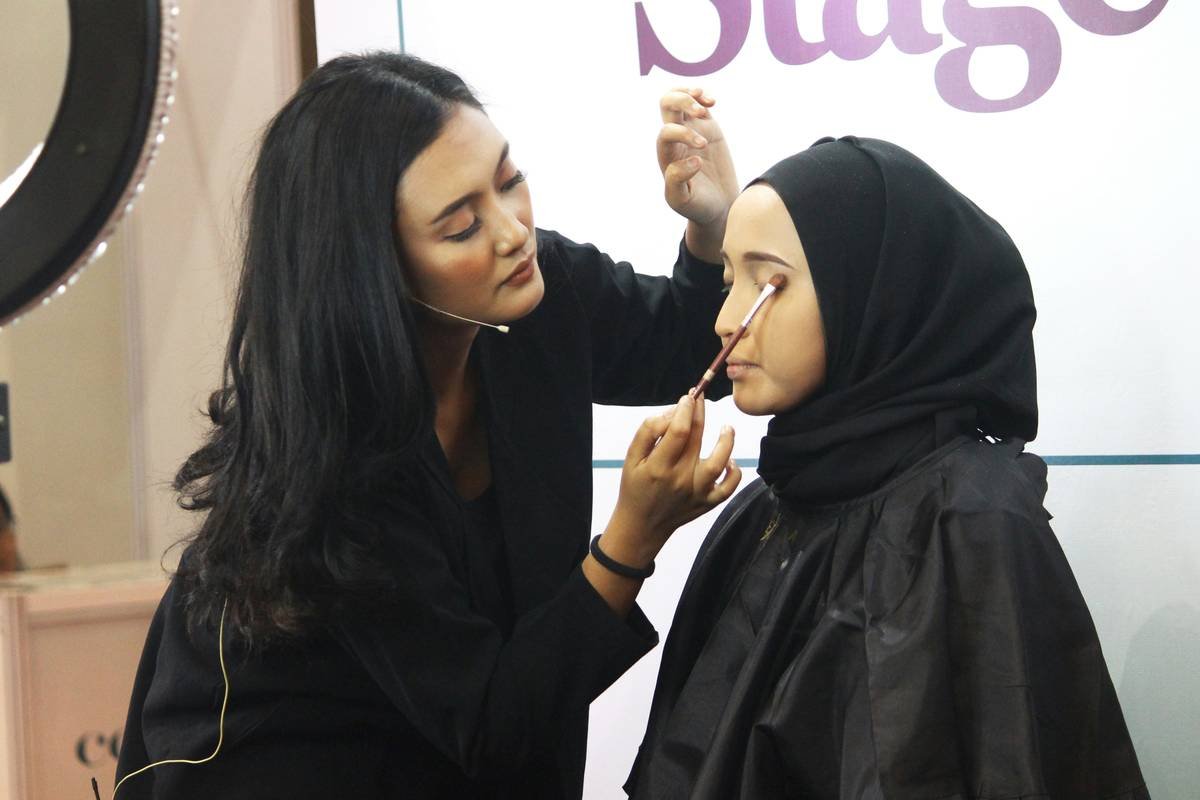
Ever spent two hours meticulously painting demon horns onto your forehead… only to blink and find half your masterpiece on your collar by Act 1? Yeah. We’ve all been there—sticky, itchy, smeared, and silently questioning our life choices while sweating under stage lights in a zombie costume that now looks more “sunburnt potato” than “apocalyptic ghoul.”
If you’re diving into character makeup for theater, film, cosplay, or even Halloween Haunt gigs, theatrical face paint isn’t just paint—it’s armor. And not all face paints are created equal. In this guide, you’ll learn exactly how to choose safe, durable theatrical face paint; apply it like a seasoned SFX pro; avoid rookie disasters (I once used craft acrylics—don’t be me); and transform into any character without crying off your war wounds mid-scene.
You’ll walk away knowing: the FDA-compliant ingredients to demand, why water-activated cakes outperform greasepaint for most stage work, how to layer scars and scales without caking, and real-world hacks from decades of backstage chaos.
Table of Contents
- Why Theatrical Face Paint Isn’t Just Kids’ Stuff
- Step-by-Step: How to Apply Theatrical Face Paint for Character Makeup
- 5 Pro Tips for Long-Lasting, Blendable, and Safe Character Makeup
- Real-World Case Study: How We Saved a Haunted House Show with 20 Minutes and Ben Nye
- FAQs About Theatrical Face Paint
Key Takeaways
- Only use FDA-compliant, cosmetic-grade theatrical face paint—never craft paint or acrylics.
- Water-activated face paint (like Mehron Paradise or Wolfe FX) offers superior blendability and durability for most stage and haunt applications.
- Prepping skin with alcohol-free toner and barrier spray drastically improves adhesion and longevity.
- Layering technique matters more than product: build thin layers, not thick globs.
- Always patch-test 24 hours before full application to prevent allergic reactions.
Why Theatrical Face Paint Isn’t Just Kids’ Stuff
Let’s clear this up fast: theatrical face paint is not sidewalk chalk with glitter. It’s a precision tool engineered for high-stakes performance conditions—heat, sweat, tears, stage lighting, and hours under pressure. Yet I still see aspiring actors slathering on dollar-store “face paint” labeled “non-toxic” but missing the critical “FDA-compliant for facial use” stamp.
Here’s the scary part: the FDA doesn’t regulate cosmetics pre-market, but it *does* define what pigments are safe for use on lips and eyes (FDA Color Additives List). Many cheap face paints skip these approved colorants entirely, using industrial dyes that can cause rashes, chemical burns, or long-term sensitization.
I learned this the hard way during a college production of Sweeney Todd. Desperate and broke, I used a $3 tube from a party store. By intermission, my neck looked like a topographical map of hell—bright red, peeling, oozing. The dermatologist later confirmed contact dermatitis from unapproved azo dyes. Never again.

Professional theatrical face paint must meet ASTM D-4236 (toxicity labeling) and ideally carry EU compliance (CE mark), which enforces stricter allergen controls. Brands like Ben Nye, Mehron, Kryolan, and Grimas dominate professional stages for this reason—they publish full ingredient decks and batch-test for microbial contamination.
Step-by-Step: How to Apply Theatrical Face Paint for Character Makeup
What’s the right base for theatrical face paint?
Optimist You: “Start with clean, moisturized skin!”
Grumpy You: “Ugh, fine—but only if you skip heavy creams. Oily = slide city.”
Wash face with a gentle, pH-balanced cleanser. Tone with alcohol-free witch hazel to balance pH and tighten pores. Let dry completely. For long-wear shows, mist with Mehron Barrier Spray or Blue Marble Setting Spray—it creates an invisible seal that locks pigment in place without clogging pores.
How do you activate and load your brush?
Dip a synthetic-bristle flat shader or round blender into clean water (not the pan!). Shake off excess—your brush should be damp, not dripping. Swirl gently on the cake until you get a creamy, opaque consistency. Too watery? Wipe brush on towel. Too thick? Add a drop of water.
What’s the secret to smooth, streak-free coverage?
Work in thin layers. Apply first pass lightly. Let dry 30–60 seconds (it sets fast!), then build opacity. This prevents cracking and allows for subtle gradients—essential for aging, bruising, or alien textures.
How do you lock it in so it survives sweat and hugs?
Once fully dry (touch-test: no transfer), set with translucent setting powder using a velour puff. For extreme conditions (haunts, outdoor theater), finish with a light spray of Ben Nye Final Seal or Kryolan Fixier Spray—hold 12 inches away to avoid disturbing paint.
5 Pro Tips for Long-Lasting, Blendable, and Safe Character Makeup
- Never mix brands randomly. Different formulations (glycerin-based vs. acacia gum) can react, causing separation or poor adhesion.
- Use reference images at multiple angles. A zombie looks different in profile vs. front light. Pinterest mood boards save lives.
- Clean brushes between colors. Rinse in water, wipe on towel, reshape bristles. Cross-contamination muddies your palette.
- Blend edges with a slightly damp sponge. Harsh lines break illusion under bright lights. Feather outward toward natural skin.
- Carry emergency touch-up kits. Mini cakes, Q-tips, cotton swabs, and barrier spray in a zip pouch—trust me.
🚫 Terrible Tip Alert:
“Just use Vaseline to remove it—it’s gentle!”
NO. Petroleum jelly traps pigment in pores and can cause milia (tiny white cysts). Use a dedicated makeup remover like Cinema Secrets or coconut oil followed by gentle foaming cleanser.
Rant Section: My Pet Peeve
Why do people call greasepaint “old-school” like it’s obsolete? Look—greasepaint (like Kryolan TV Paint Stick) still rules for HD film, extreme close-ups, and oily skin types. Water-based cakes bead up on sebum. Give greasepaint its due. Also, stop blowing on wet paint to “dry it faster.” You’re spitting bacteria onto someone’s face. Gross.
Real-World Case Study: How We Saved a Haunted House Show with 20 Minutes and Ben Nye
Last October, I was lead makeup artist for a 50-actor haunted attraction. At 7:40 PM—20 minutes before opening—an actor playing “The Butcher” tripped in the prep tent, smearing his full latex appliance and Mehron paint job.
We had no time for reapplication. So we switched tactics: skipped latex, went pure theatrical face paint. Used Ben Nye Liquid Latex to stipple texture, layered Mehron Paradise AQ in Burnt Umber and Crimson for dried blood effect, added Kryolan Eyeliner Gel for vein detail, and sealed with Final Seal.
Result? He lasted 5 hours under strobes and fog machines, with zero touch-ups. Guests said he was “the most convincing butcher yet.” Moral: when disaster strikes, lean into your skill—not just your supplies.
FAQs About Theatrical Face Paint
Is theatrical face paint safe for sensitive skin?
Yes—if it’s cosmetic-grade and hypoallergenic. Patch test behind your ear 24 hours prior. Brands like Grimas (Netherlands) are fragrance-free and EU-certified for sensitive skin.
How long does theatrical face paint last once applied?
Properly prepped and set, water-activated paint lasts 8–12 hours under normal conditions. With sweat and friction, expect 4–6 hours—hence the need for setting spray and touch-up kits.
Can I use theatrical face paint on kids?
Only if it’s labeled non-toxic, FDA-compliant, and free of lanolin, parabens, or fragrances. Mehron’s Youth line and Snazaroo are pediatrician-tested. Avoid eye-area application on children under 3.
What’s the difference between cake paint and cream paint?
Cake (water-activated) is lightweight, matte, and great for large areas. Cream (greasepaint) is richer, more pigmented, and better for fine detail—but requires powder setting to avoid shine.
How do I remove theatrical face paint safely?
Use micellar water or oil-based remover first, then cleanse with a sulfate-free face wash. Never scrub. Follow with soothing aloe or ceramide moisturizer.
Conclusion
Theatrical face paint is your secret weapon for believable, durable character transformation—if you respect its chemistry, prep properly, and choose professional-grade products. Skip the craft store traps, master thin-layer application, and always, always prioritize skin safety over speed.
Whether you’re aging a king for Shakespeare or scarring a werewolf for Comic-Con, remember: great character makeup lives in the details, survives the spotlight, and comes off without trauma. Now go melt some faces (figuratively, please).
Like a Tamagotchi, your skin needs care after a full paint session—feed it hydration, not neglect.
Brush swirls in dawn light,
Character wakes—skin holds fast.
Paint breathes, but doesn’t bleed.